


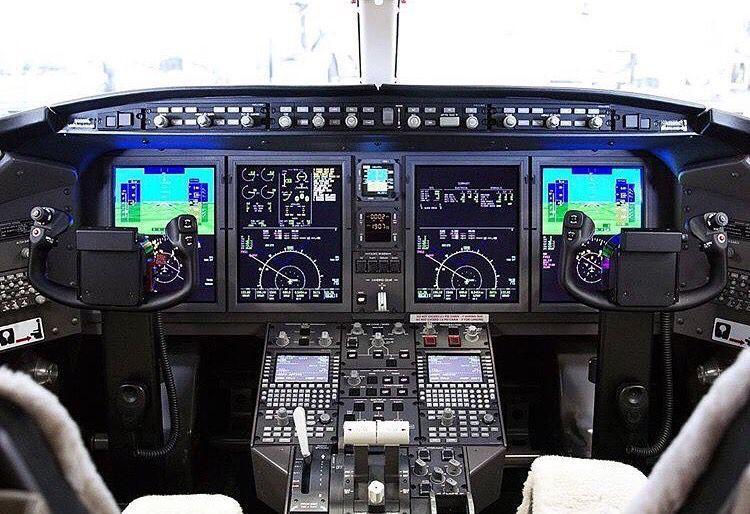
Becoming a private jet pilot is a dream job for many aviation enthusiasts, offering the thrill of flying, the luxury of exclusive travel, and the opportunity to experience the world from a bird’s-eye view. However, what does a typical day in the life of a private jet pilot truly entail? From pre-flight preparations to handling high-profile passengers and ensuring smooth operations, the life of a private jet pilot is anything but ordinary.
In this comprehensive article, we’ll take you inside the cockpit and explore the day-to-day responsibilities, challenges, and rewards of a private jet pilot. Whether you’re considering a career in aviation or simply curious about this high-flying profession, this article will give you an exclusive look into the world of luxury aviation.
What Does a Private Jet Pilot Do?
Before diving into the specifics of a typical day, it’s important to understand what private jet pilots do on a broader scale. A private jet pilot is responsible for flying small, luxury aircraft used for private travel, typically for high-net-worth individuals, celebrities, executives, and business owners. These pilots must ensure the safety, comfort, and efficiency of the flight, while also adhering to strict aviation regulations.
Key Responsibilities of a Private Jet Pilot
- Pre-Flight Preparation: Pilots must check weather conditions, verify flight routes, and ensure the aircraft is in top condition. This includes reviewing the aircraft’s logbooks, fuel levels, and mechanical checks.
- Passenger Safety and Comfort: While their primary responsibility is to ensure the safety of everyone on board, pilots also play a role in ensuring passengers are comfortable during their flight.
- In-Flight Operations: Pilots navigate, communicate with air traffic control, and make real-time decisions to keep the flight on course and avoid hazards.
- Post-Flight Duties: After the flight, pilots are responsible for ensuring the aircraft is properly landed, securing it at the gate, and completing all necessary documentation.
With these key responsibilities in mind, let’s take a closer look at a day in the life of a private jet pilot.
Morning Routine: Pre-Flight Preparations
1. Early Start
The day for a private jet pilot typically begins early. While the exact time depends on the flight schedule, most pilots will wake up several hours before their scheduled departure to ensure they are fully prepared for the day. Unlike commercial airline pilots who often operate on a set schedule, private jet pilots may have a varied flight itinerary depending on the needs of their clients.
2. Checking the Schedule
Before leaving home, a private jet pilot reviews the flight plan and schedule for the day. This includes confirming departure and arrival times, reviewing passenger details (if applicable), and identifying any special requests or changes to the itinerary.
Pilots typically receive their flight details from the charter company or directly from the client. They must be flexible, as private jet schedules can change rapidly. This flexibility is one of the key differences between private and commercial aviation.
3. Arriving at the Airport
Once the pilot arrives at the airport, they head straight to the hangar or aircraft where their flight is scheduled. Depending on the company, some private jet pilots may be based at smaller, private terminals known as Fixed Base Operators (FBOs) rather than large commercial airports. These private terminals allow for a smoother, more efficient check-in process for both the pilot and passengers.
Pre-Flight Checklist: Ensuring a Safe Flight
4. Aircraft Inspection
One of the first tasks a private jet pilot performs is an inspection of the aircraft. This is a vital step in ensuring the plane is ready for takeoff. Pilots must verify that all mechanical systems are functioning properly, including avionics, engines, and control systems.
- Pre-flight Inspection: Pilots will check the aircraft’s exterior, inspecting the wings, fuselage, and engines for any visible signs of wear or damage.
- Cabin Check: Pilots also inspect the cabin for cleanliness, and sometimes they’ll coordinate with the cabin crew to ensure that amenities are properly arranged for the passengers.
- Weather and Flight Plan: Before departing, pilots must review the weather conditions, which can change rapidly, especially in private aviation. Pilots check forecasts for the departure and destination airports, as well as any en-route weather hazards.
5. Confirming Flight Details
After the aircraft has passed inspection, pilots confirm the flight plan with the air traffic control tower. This involves double-checking the route, fuel requirements, weight distribution, and estimated flight time.
One of the unique aspects of private jet flights is the ability to alter the flight path in real-time to accommodate the client’s needs. For example, if a client decides they want to change the destination mid-flight, private jet pilots can often accommodate such requests, making this flexibility an essential part of the job.
In-Flight Operations: Navigating the Skies
6. Takeoff and Communication
Once everything is set, the private jet pilot taxis to the runway and prepares for takeoff. The process involves communicating with air traffic control, ensuring all systems are operational, and making sure the weather conditions are favorable for departure.
- Takeoff: Pilots use their extensive training to execute a smooth takeoff. The aircraft’s speed, altitude, and trajectory are monitored and adjusted in real-time to ensure the best possible flight experience.
- In-Flight Communication: Throughout the flight, private jet pilots must maintain constant communication with air traffic control, providing updates on altitude, speed, and course changes. Although private jets often fly at altitudes above commercial traffic, communication with air traffic control remains essential to ensure the flight remains safe and on course.
7. Managing the Passengers
While their primary responsibility is ensuring the flight’s safety, private jet pilots also consider passenger comfort. Private jets often have fewer passengers than commercial flights, which means the pilot can interact with passengers more easily. However, most of the time, pilots will allow the cabin crew to handle in-flight passenger needs.
However, there are occasions when pilots may need to address passenger requests, especially if they are related to the safety or comfort of the flight. For instance, pilots may be asked to adjust the temperature in the cabin or explain the route to curious travelers.
8. Adjusting to Challenges in the Air
Even in luxury aviation, unexpected challenges can arise during a flight. Private jet pilots must be prepared to handle situations such as:
- Turbulence: Turbulence is common during flights, and pilots must make real-time decisions on how to navigate around or through it to ensure passenger comfort.
- Weather Changes: If the weather conditions change mid-flight, private jet pilots must quickly adjust the flight path to avoid hazards such as thunderstorms or severe crosswinds.
- In-Flight Emergencies: While rare, emergencies can occur. Pilots are trained to handle a variety of emergency situations, including mechanical failures, medical emergencies, or even onboard passenger issues.
Landing and Post-Flight Duties
9. Preparing for Landing
As the flight nears its destination, the pilot begins preparing for landing. This includes checking the airport’s weather conditions and coordinating with air traffic control for a safe descent and approach. Depending on the destination, pilots may need to adjust the landing approach based on airport protocols or terrain.
10. Smooth Landing
Pilots aim for a smooth and controlled landing, using their knowledge of the aircraft’s systems, the airport layout, and the current weather conditions to ensure a safe arrival. Private jet pilots often land at smaller, less congested airports or private terminals, which can make the landing process less stressful compared to commercial flights.
11. Post-Flight Procedures
Once the plane has landed, the pilot’s responsibilities aren’t over. After securing the aircraft at the gate or hangar, the pilot ensures all post-flight documentation is completed. This includes logging the flight details, reporting any mechanical issues, and ensuring the aircraft is ready for its next flight.
Challenges Faced by Private Jet Pilots
While the job of a private jet pilot can be glamorous and rewarding, it comes with its own set of challenges:
1. Irregular Hours
Private jet pilots often work irregular hours, with flights scheduled on short notice. This means pilots must be prepared for last-minute trips, early morning departures, or late-night flights.
2. High-Pressure Environment
The responsibility of ensuring the safety of high-profile passengers can be stressful. Private jet pilots must be able to handle pressure and make quick decisions when things don’t go as planned.
3. Constant Travel
Many private jet pilots travel frequently, sometimes covering multiple destinations in a single day. This means spending time away from home, which can be challenging for pilots with families or a desire for a predictable schedule.
The Rewards of Being a Private Jet Pilot
Despite the challenges, being a private jet pilot comes with several rewards:
- Exclusive Passengers: Private jet pilots have the unique opportunity to fly high-profile clients, including business executives, celebrities, and entrepreneurs.
- Luxury Aircraft: Pilots have the chance to fly some of the most advanced and luxurious aircraft in the world, with state-of-the-art technology and comfort features.
- Career Growth: Private jet pilots often have opportunities for career advancement, with many moving up to larger aircraft or more prestigious clients as they gain experience.
Conclusion: A Unique and Rewarding Profession
Being a private jet pilot is a challenging, yet immensely rewarding profession. It’s a job that requires precision, skill, and flexibility, as well as a deep understanding of aviation and customer service. From pre-flight inspections to smooth landings, private jet pilots are responsible for ensuring that every aspect of the flight is handled with the utmost care.
For those with a passion for aviation and a love of luxury, becoming a private jet pilot offers an a very uniqueed career that combines adventure, responsibility, and the thrill of flying.


