


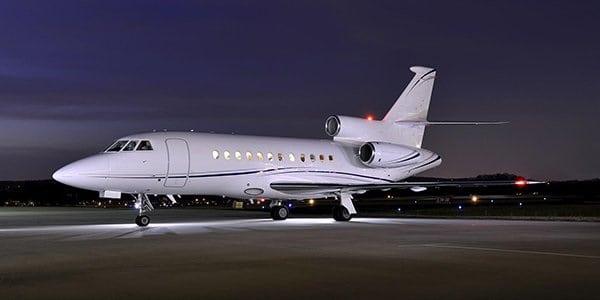
AI technology has already transformed many industries, and the aviation sector is no exception. From predictive maintenance to in-flight customer service, AI is becoming increasingly integrated into the daily operations of private aviation. But one of its most exciting applications is in route planning, specifically in generating flight paths that maximize comfort and minimize the risks of turbulence and other airborne challenges. This article will explore how AI-generated travel routes are poised to revolutionize private jet flights.
Understanding the Role of AI in Route Optimization
In its simplest form, AI can process vast amounts of data to make decisions or predictions that would take humans far longer to compute. In the context of aviation, this means AI can analyze not just the fastest route, but also the route that will provide the smoothest ride. AI’s ability to process weather patterns, air traffic, geographic features, and even real-time data allows it to create flight paths that optimize the experience for passengers and crew.
AI algorithms can draw on data from multiple sources to calculate the most efficient, comfortable, and safe routes for private jet travel. It goes far beyond simply considering the shortest distance or the least amount of fuel; it accounts for factors such as:
Weather conditions: AI can analyze weather patterns across an entire flight path, from the departure airport to the destination, to avoid storms, turbulence, and adverse weather conditions.
Air traffic: AI can track air traffic patterns in real-time and adjust the flight path to avoid congested airspaces, ensuring a quicker, more efficient journey.
Topography and geography: AI can take into account mountain ranges, oceanic zones, and other natural features that could influence flight conditions.
Turbulence prediction: By analyzing patterns of turbulence, AI can adjust flight paths to avoid areas with rough air or identify the smoothest possible route at any given time.
Predictive Technology: Anticipating Turbulence
One of the most compelling benefits of AI-generated flight routes is its ability to predict and avoid turbulence. Turbulence is one of the most uncomfortable aspects of air travel, and even experienced private jet passengers have experienced its disruptive effects. While turbulence is a natural occurrence caused by changes in the air’s speed and direction, AI can help predict when and where it is most likely to occur.
Using vast datasets that include historical weather conditions, real-time air pressure readings, and atmospheric data, AI can make highly accurate predictions about turbulence along a given flight route. By continuously monitoring these factors and analyzing patterns, AI algorithms can identify pockets of turbulence that might affect a private jet’s flight. With this information, the system can adjust the aircraft’s altitude or change the route to avoid those areas, ensuring a smoother, more comfortable flight for passengers.
This ability to anticipate turbulence could be especially beneficial on long-haul flights where turbulence is more likely to arise due to changes in atmospheric conditions. By dynamically adjusting the flight path, AI can ensure that the aircraft stays in calmer air, avoiding discomfort for passengers.
Real-Time Data Integration: Adapting on the Fly
AI-generated travel routes don’t just optimize the journey before takeoff, they continue to evolve during the flight. One of the most exciting aspects of AI technology is its ability to adjust the flight path in real-time, responding to changing conditions as the aircraft moves through different airspaces.
Weather patterns, air traffic, and turbulence can change rapidly, and with AI’s ability to process real-time data, the system can make adjustments to the flight route as needed. For example, if a sudden storm is detected ahead or if an aircraft enters a turbulent region, AI can analyze the data and recommend an alternate route to the flight crew. By providing up-to-the-minute adjustments, AI ensures that the private jet remains on the most comfortable and efficient course at all times.
This adaptive nature of AI is particularly useful for long-haul flights, where conditions can change dramatically over the course of the journey. With AI, private jets can continuously update their flight paths to avoid congestion, avoid turbulent air, and maximize efficiency, ensuring a smoother ride from takeoff to landing.
AI and Fuel Efficiency: Sustainable, Smooth Travel
In addition to improving comfort, AI-generated routes can also have a significant impact on fuel efficiency. The optimization of flight paths based on real-time data doesn’t just make the journey smoother, it can also reduce fuel consumption. By avoiding unnecessary detours, waiting times, and congested airspace, AI can create flight paths that minimize fuel burn and ensure the most sustainable travel.
Fuel efficiency is a critical factor in the aviation industry, as airlines and private jet owners alike strive to reduce their carbon footprint. AI’s ability to optimize routes for fuel conservation helps private jet operators minimize environmental impact while still providing a premium experience. The combination of smoother travel and greater fuel efficiency makes AI-generated flight paths an ideal solution for a future where sustainability and comfort go hand-in-hand.
Enhancing the Passenger Experience
Ultimately, the goal of AI-generated travel routes is to enhance the overall passenger experience. Private jet passengers already expect a high level of comfort, privacy, and personalized service, and the integration of AI into flight route planning will elevate those expectations even further.
By avoiding turbulence, weather disruptions, and other sources of discomfort, AI can ensure that passengers experience the smoothest flight possible. Additionally, passengers can enjoy the peace of mind knowing that the aircraft is being navigated with the utmost efficiency and precision, reducing the chances of delays or other inconveniences.
Furthermore, AI technology can be integrated with other in-flight services, providing a truly personalized experience for passengers. AI-powered systems could communicate directly with the jet’s interior features, such as adjusting cabin temperature, lighting, and even entertainment options, to optimize the journey for each individual’s preferences. With the combination of smooth travel routes and personalized cabin experiences, AI will set a new standard for private jet travel.
The Future of Private Jet Travel
As AI continues to evolve, the possibilities for private jet travel are limitless. AI-generated flight routes represent just one of many advancements that are transforming the way we fly. The integration of AI in aviation is paving the way for a future where private jets can offer the ultimate in comfort, efficiency, and sustainability.
From smoother rides and real-time route adjustments to more fuel-efficient travel, AI is shaping the future of private jet aviation in ways we could not have imagined just a few years ago. As technology advances, private jet owners and passengers can look forward to an increasingly seamless and enjoyable flight experience, one where comfort, convenience, and safety take center stage.
Conclusion
The rise of AI-generated travel routes marks an exciting new chapter in the world of private jet travel. By harnessing the power of artificial intelligence, private jet operators can create the smoothest, most efficient travel experiences possible, enhancing both comfort and sustainability. As AI continues to evolve, we can expect even more innovations that will further transform how we fly, making private aviation not only a symbol of luxury but also a model of technological advancement.


