


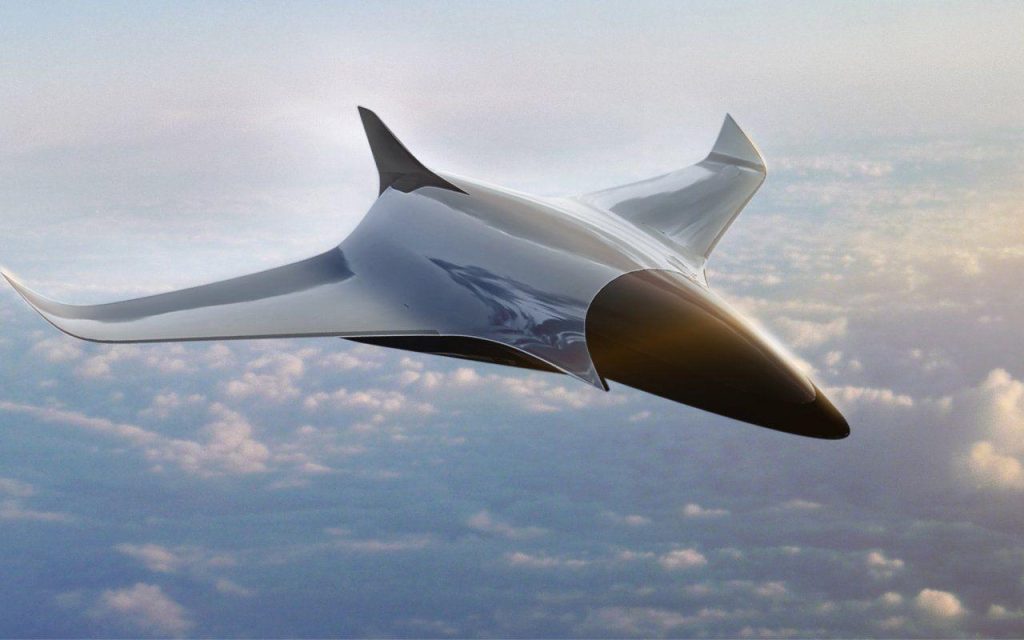
The aviation industry has long been a frontier of technological innovation. From the first powered flight to the development of supersonic jets and electric planes, advancements in aviation have consistently pushed the boundaries of what is possible. In recent years, artificial intelligence (AI) has emerged as one of the most promising technologies for transforming how aircraft are operated and maintained. Among the most intriguing prospects is the idea of AI pilots, or autonomous flight systems, that could potentially fly private jets without human intervention.
The concept of an AI pilot is not science fiction but a rapidly developing reality. With advancements in machine learning, sensors, and robotics, the dream of having an aircraft fly itself is becoming increasingly plausible. However, there are numerous questions and challenges surrounding this idea, from safety and reliability to legal and ethical considerations. In this article, we will explore the potential of AI pilots, the technology behind autonomous flying, and the implications it could have for the private jet industry.
The Rise of AI in Aviation
Artificial intelligence has already made significant inroads into aviation, particularly in areas such as flight planning, maintenance, and passenger services. AI-driven systems are already capable of performing tasks like optimizing flight routes, managing in-flight entertainment, and even predicting aircraft malfunctions before they occur. AI’s ability to process vast amounts of data and make decisions in real-time has led many to speculate that AI could eventually take over the role of the pilot.
In commercial aviation, some airlines have already implemented AI-assisted systems to assist pilots during flights. Autopilot systems, for example, have been in use for decades, allowing pilots to relinquish control during certain parts of a flight, such as cruising. However, these systems still require a human pilot to be present in the cockpit and ready to intervene in the event of an emergency.
The next logical step is to extend these capabilities to full autonomy, where AI takes over all piloting responsibilities, including takeoff, flight, and landing, without any need for human intervention.
How AI Pilots Work
AI pilots rely on a combination of advanced technologies, including machine learning, computer vision, sensor fusion, and real-time data analysis. These technologies enable AI to make informed decisions and safely navigate an aircraft without human input. Let’s explore how these technologies work together to create an autonomous flying system.
- Machine Learning and Deep Learning
At the core of an AI pilot is machine learning, a subset of artificial intelligence that allows systems to learn and improve from experience. Through deep learning algorithms, an AI pilot can process vast amounts of flight data, including historical flight paths, weather patterns, air traffic, and sensor readings from the aircraft. Over time, the AI system can recognize patterns, predict outcomes, and make decisions based on this learned information.
Machine learning allows AI to adapt to a variety of scenarios and continuously improve its performance. This capability is crucial for navigating complex and dynamic environments like airspace, where sudden weather changes, equipment malfunctions, or unexpected obstacles could require rapid decision-making.
- Sensor Fusion
Autonomous aircraft require a vast array of sensors to perceive their environment and make decisions. These sensors include radar, lidar, cameras, and infrared systems, all of which provide different types of data about the aircraft’s surroundings. Sensor fusion involves combining the data from these different sensors to create a comprehensive understanding of the environment in real-time.
For example, radar can detect nearby aircraft, while cameras and infrared sensors can help identify obstacles or changes in the weather. By fusing the data from these sensors, the AI pilot can make more accurate and informed decisions about navigation, collision avoidance, and flight path adjustments.
- Real-Time Data Analysis
AI pilots constantly analyze data from both the aircraft and the external environment to make flight decisions. This includes monitoring the aircraft’s speed, altitude, fuel levels, and mechanical systems, as well as processing information from air traffic control and weather reports. Real-time data analysis enables the AI pilot to adjust the flight path, optimize fuel efficiency, and respond to changing conditions, such as turbulence or airspace congestion, without human input.
AI pilots can also access a variety of databases that provide information about airports, runways, and airspace restrictions. By continuously evaluating this data, AI can identify the best routes and make adjustments as needed to ensure a safe and efficient flight.
The Benefits of AI Pilots in Private Jets
The introduction of AI pilots in private jets could bring numerous benefits, both for the owners of the aircraft and for the broader aviation industry. Here are some of the key advantages:
- Increased Safety
One of the most significant advantages of AI pilots is the potential for improved safety. AI systems are designed to eliminate human error, which remains a leading cause of aviation accidents. By using sensors and real-time data analysis, AI pilots can monitor the aircraft’s systems and surroundings more efficiently than humans, reducing the risk of accidents caused by pilot fatigue, distraction, or misjudgment.
Additionally, AI pilots are capable of making faster and more accurate decisions in emergency situations. For example, if an engine failure occurs during flight, the AI system can immediately assess the situation, communicate with air traffic control, and take appropriate actions, such as diverting to the nearest airport or activating emergency protocols.
- Cost Savings
AI pilots could significantly reduce the costs associated with private jet operation. With an AI system in control, there would be no need for a human pilot, which could save owners the expenses associated with pilot salaries, training, and certifications. This would be particularly beneficial for owners who use their private jets frequently and need to cut operational costs.
Furthermore, AI pilots could help optimize flight routes and fuel consumption, leading to additional cost savings. By analyzing real-time data, AI can select the most efficient routes and adjust the aircraft’s speed and altitude to minimize fuel consumption, ultimately reducing operational costs.
- Enhanced Convenience
The ability to fly a private jet without the need for a human pilot would provide an unprecedented level of convenience for jet owners. With AI piloting the aircraft, owners could potentially eliminate the need for a pilot to be on board, allowing for greater flexibility in flight schedules and a more streamlined experience.
AI pilots could also enable private jet owners to control their aircraft remotely, from the comfort of their homes or offices, using a secure app or interface. This could be particularly useful for time-sensitive travel, where the ability to take off on short notice could be a significant advantage.
- Reduced Pilot Shortage
The aviation industry is currently facing a global pilot shortage, which has led to increased costs and delays in flight operations. By implementing AI pilots, private jet owners could reduce their reliance on human pilots, alleviating some of the pressure caused by the shortage. This would also allow for greater operational flexibility, as AI pilots would be available around the clock and could handle multiple flights simultaneously.
Challenges and Concerns
Despite the numerous benefits, the implementation of AI pilots in private jets is not without its challenges and concerns. Some of the key obstacles include:
- Regulatory Approval
One of the most significant challenges for AI pilots is regulatory approval. Currently, aviation regulations require a human pilot to be present in the cockpit at all times. The Federal Aviation Administration (FAA) and other regulatory bodies would need to revise these regulations to allow for fully autonomous flights. This process could take years, as regulators would need to ensure that AI systems meet the highest safety standards before they are allowed to fly without human intervention.
- Public Perception and Trust
Another challenge is public perception. Many people may be hesitant to trust AI with the lives of passengers, particularly when it comes to high-stakes situations like air travel. Overcoming this skepticism will require rigorous testing, transparency, and demonstrations of the technology’s reliability and safety.
- Cybersecurity Risks
AI pilots rely heavily on data and connectivity, which exposes them to potential cybersecurity risks. Hackers could target the AI system to gain control of the aircraft, potentially compromising passenger safety. Ensuring that AI pilots are secure from cyber threats will be a critical aspect of their development and implementation.
The Future of AI Pilots
While fully autonomous private jets may not be commonplace just yet, the technology is advancing rapidly, and the idea of AI pilots is becoming increasingly feasible. As machine learning algorithms improve, sensors become more sophisticated, and aviation regulations evolve, it is likely that AI will play a larger role in the operation of private jets.
In the near future, AI pilots could become a common feature in private jet fleets, offering a safer, more cost-effective, and convenient alternative to human pilots. However, widespread adoption will require overcoming regulatory, technical, and societal challenges. As the industry moves forward, the question is not if AI pilots will take over, but when. The future of aviation is undoubtedly exciting, and AI is set to play a crucial role in shaping it.
Conclusion
The rise of AI pilots in private jets represents a significant step forward in the evolution of aviation. With the potential to increase safety, reduce costs, and provide unprecedented convenience, AI pilots could soon become a regular feature of the private jet industry. While there are still hurdles to overcome, the future of autonomous flight looks promising, and AI-powered private jets may soon take to the skies without a human pilot in sight. As technology continues to advance, the dream of fully autonomous private jets could become a reality sooner than we think.


