


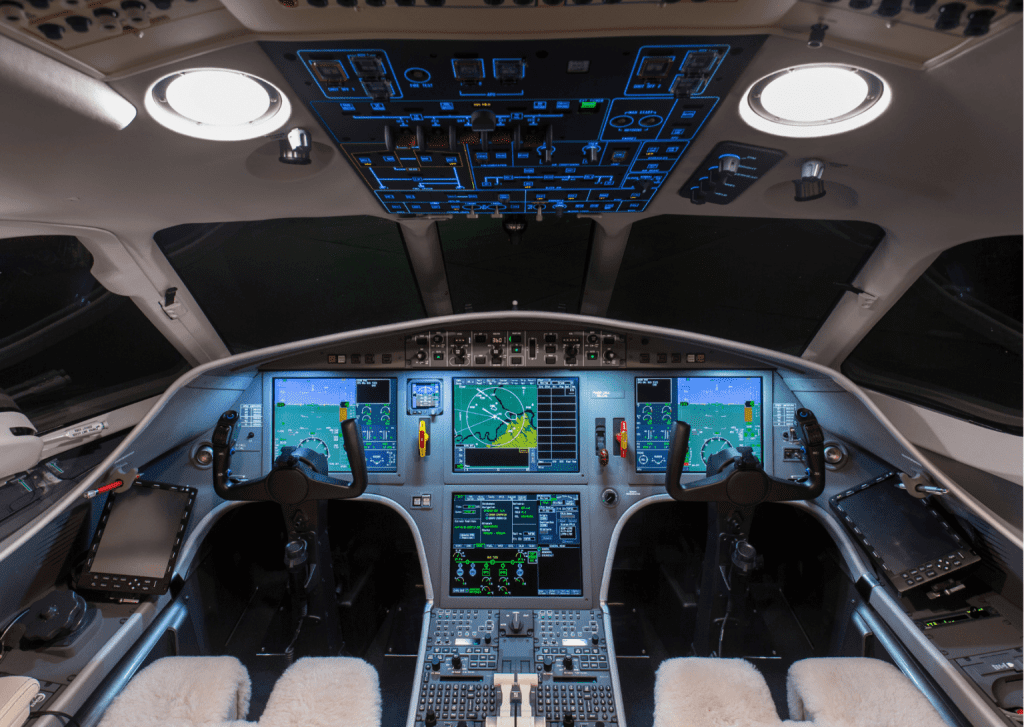
In recent years, the aviation industry has faced mounting challenges related to air traffic congestion, flight delays, and the increasing complexity of managing air traffic across global airspace. However, emerging AI-powered jet traffic management systems are poised to revolutionize the way air traffic is handled, improving both the efficiency and safety of air travel. These intelligent systems are designed to optimize the flow of air traffic, reduce delays, and ensure smoother flights for passengers across the globe. By leveraging artificial intelligence, machine learning, and predictive analytics, AI-powered systems are enabling more precise flight routes, faster decision-making, and enhanced coordination between airlines, air traffic controllers, and airports.
The Evolution of Jet Traffic Management
Traditionally, air traffic management relied heavily on manual processes and human oversight. Air traffic controllers used radar systems to monitor flights, provide instructions to pilots, and adjust flight paths to avoid collisions. However, as the number of flights worldwide continues to increase, the burden on air traffic control systems has grown exponentially. This has led to delays, inefficiencies, and, at times, safety risks.
AI-powered jet traffic management systems aim to address these challenges by automating key aspects of air traffic control, providing real-time insights, and facilitating more efficient flight routing. These systems leverage vast amounts of data from aircraft, airports, and weather conditions to make predictions, improve flight planning, and ensure smoother coordination across the aviation network.
Key Components of AI-Powered Jet Traffic Management Systems
- AI-Based Flight Scheduling and Routing
One of the core functionalities of AI-powered systems is the ability to optimize flight schedules and routes. AI algorithms can process real-time data, such as weather conditions, airspace congestion, and aircraft performance, to generate the most efficient flight plans. This helps to reduce delays, fuel consumption, and the environmental impact of flights. Additionally, these systems can account for unexpected disruptions, such as weather events or airport congestion, and automatically adjust flight routes to avoid delays and ensure safety.
For example, if a thunderstorm is approaching a busy airport, the AI system can re-route flights to avoid the storm while maintaining efficiency across the air traffic network. By utilizing predictive modeling, AI-powered systems can make adjustments before issues arise, reducing the need for last-minute changes or delays.
- Real-Time Traffic Management and Coordination
AI-powered jet traffic management systems facilitate better coordination between air traffic controllers, pilots, and ground services. By aggregating data from a wide range of sources, including weather forecasts, flight status updates, and airspace usage patterns, the system provides a real-time view of the entire air traffic network. This allows for faster decision-making and more precise management of flight paths.
For instance, when multiple aircraft are approaching the same airspace, AI can assess the altitude, speed, and distance of each flight and recommend adjustments to ensure safe separation between planes. This significantly reduces the risk of air traffic incidents while improving the efficiency of air traffic flow.
- Predictive Analytics for Delays and Congestion
AI-powered systems use predictive analytics to forecast potential disruptions in air traffic, such as delays or congestion at airports. By analyzing historical flight data, weather patterns, and air traffic trends, these systems can anticipate issues before they occur. This enables airlines and air traffic controllers to take proactive measures, such as adjusting flight schedules or re-routing aircraft, to minimize delays and improve overall efficiency.
For example, if an AI system detects a trend of increasing delays at a specific airport due to runway congestion, it can recommend changes to flight arrivals or adjust departure times to alleviate the congestion. This predictive capability not only helps to minimize delays but also enhances the overall efficiency of the air traffic management system.
- Autonomous Decision-Making and AI Assistance
AI-powered systems are increasingly capable of assisting air traffic controllers in making critical decisions. With the help of autonomous decision-making, AI systems can analyze vast amounts of data to make real-time suggestions for flight adjustments, alternative routes, and other important decisions. This can help reduce human error and ensure that flights are safely managed in busy airspace.
For example, in the case of unexpected weather disruptions or airspace congestion, the AI system can automatically generate the most efficient flight path for affected flights. This decision-making process is fast and accurate, ensuring that disruptions are handled quickly and without compromising safety.
Benefits of AI-Powered Jet Traffic Management Systems
- Increased Flight Efficiency
The primary benefit of AI-powered jet traffic management systems is the enhanced efficiency of air traffic management. By optimizing flight routes, predicting delays, and coordinating flights more effectively, these systems help to reduce flight times, fuel consumption, and air traffic congestion. This not only improves the experience for passengers but also leads to cost savings for airlines.
AI systems can also adjust flight schedules in real-time to avoid delays, ensuring that flights stay on track even when facing unexpected disruptions. This proactive approach to air traffic management leads to smoother operations and fewer delays across the entire aviation network.
- Enhanced Safety and Reduced Risk of Collisions
AI-powered systems improve safety by providing more accurate and real-time information to air traffic controllers and pilots. With better data analysis and predictive capabilities, AI systems can identify potential risks, such as the likelihood of a collision or airspace congestion, and recommend adjustments to flight paths. This proactive safety management reduces the risk of accidents and enhances the overall safety of air travel.
For example, AI systems can monitor aircraft in real-time and detect potential conflicts in flight paths. If two aircraft are on a collision course, the AI system can immediately alert air traffic controllers and suggest corrective actions to ensure safe separation.
- Reduced Environmental Impact
AI-powered systems help to reduce the environmental impact of air travel by optimizing flight paths and minimizing unnecessary fuel consumption. By calculating the most efficient routes and adjusting flight paths to avoid areas of congestion or bad weather, AI can help reduce carbon emissions from aircraft. This contributes to the industry’s overall efforts to reduce its environmental footprint and make air travel more sustainable.
Moreover, AI systems can optimize the altitudes and speeds of aircraft to reduce fuel consumption during different phases of the flight, further minimizing emissions. This makes AI-powered jet traffic management systems a critical component in the aviation industry’s push for greener operations.
- Cost Savings for Airlines
Airlines stand to benefit significantly from AI-powered jet traffic management systems due to the cost savings they offer. By optimizing flight routes and reducing delays, airlines can lower operational costs, including fuel expenses, maintenance costs, and airport fees. Additionally, the ability to predict and avoid delays can help airlines avoid compensation payments to passengers for late arrivals, further reducing costs.
AI systems also provide airlines with data-driven insights into how they can optimize their fleets and schedules, leading to greater operational efficiency and profitability.
Challenges of AI-Powered Jet Traffic Management
- Technological Integration and Implementation
While AI-powered jet traffic management systems offer significant benefits, integrating these systems into existing air traffic control infrastructure presents a challenge. Airlines, airports, and air traffic controllers will need to invest in new technologies, training, and infrastructure to support AI systems. The initial setup costs for implementing AI-powered systems may be high, although the long-term benefits can outweigh these costs.
- Data Security and Privacy Concerns
AI systems rely on vast amounts of data, including sensitive information about flight paths, weather conditions, and passenger details. Ensuring the security and privacy of this data is critical to the success of AI-powered jet traffic management systems. Any data breaches or cyberattacks could compromise the safety and efficiency of the system, making it essential for stakeholders to implement robust security measures.
- Regulatory and Compliance Issues
As AI-powered systems become more integrated into air traffic management, they must comply with various regulations and standards set by aviation authorities worldwide. This includes ensuring that AI systems meet safety standards and are interoperable with existing systems. Regulatory bodies will need to establish frameworks to govern the use of AI in air traffic management to ensure its safety and effectiveness.
The Future of AI-Powered Jet Traffic Management
The future of AI-powered jet traffic management is bright, with ongoing advancements in AI, machine learning, and data analytics likely to continue improving the efficiency and safety of air traffic systems. As more airlines and airports adopt AI technology, we can expect to see even more optimized flight routes, reduced delays, and enhanced coordination across the aviation network.
In the long run, the integration of AI-powered systems may pave the way for more autonomous flight operations, where aircraft can communicate directly with AI systems to make real-time adjustments to their flight paths, further reducing human error and increasing the efficiency of air traffic management.
Conclusion
AI-powered jet traffic management systems are transforming the way air traffic is managed, offering enhanced efficiency, safety, and cost savings for airlines and passengers alike. By utilizing advanced AI algorithms and predictive analytics, these systems are optimizing flight schedules, reducing delays, and ensuring a smoother, more coordinated air traffic network. As technology continues to evolve, AI-powered systems will play a central role in making air travel more efficient, safer, and environmentally friendly, ultimately benefiting both airlines and passengers worldwide.


