


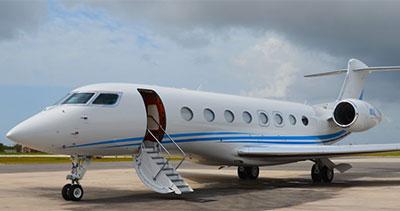
The evolution of private jet travel has revolutionized the way individuals experience air travel, offering a very uniqueed comfort, convenience, and luxury. However, despite the many advancements in private aviation, one of the most significant challenges remains the management of air traffic. For private jet passengers, the possibility of delays due to congestion, weather disruptions, or sudden air traffic changes can create frustrating, unpredictable experiences. To address this, AI-powered predictive air traffic avoidance systems have emerged as a groundbreaking solution, offering advanced technology that predicts potential conflicts in airspace, ensuring seamless flight paths and optimal safety.
The Challenge of Air Traffic in Private Aviation
While private jets are known for their ability to bypass the crowded terminals and long queues of commercial air travel, they are still subject to the same air traffic control systems as commercial flights. Air traffic congestion, bad weather, and last-minute changes can cause delays or force private jets to alter their flight paths unexpectedly. These disruptions, while often minor, can lead to an experience that doesn’t meet the high standards that passengers expect from private aviation.
For private jet operators, air traffic congestion presents a significant operational challenge. Despite having the freedom to fly on more flexible routes, private jets still need to navigate busy airspace shared with commercial aircraft. In some instances, delays in receiving flight clearances or having to reroute to avoid other flights can affect fuel consumption, arrival times, and overall operational efficiency. To minimize these disruptions and enhance the flight experience, AI-powered predictive systems have begun to play a crucial role in managing air traffic.
How AI-Powered Predictive Air Traffic Avoidance Works
AI-based predictive air traffic avoidance systems use advanced machine learning algorithms, real-time data, and big data analysis to forecast potential air traffic conflicts before they happen. These systems analyze vast amounts of historical and live data to predict congestion points, weather disruptions, and flight path conflicts that could affect private jets. Here’s how it works:
- Data Collection and Integration
AI-powered systems aggregate real-time data from multiple sources, including weather reports, radar data, and air traffic control feeds. The system also considers historical flight patterns, flight plans, and aviation congestion trends. By combining this data, the system builds a comprehensive picture of the airspace and identifies potential issues or areas of congestion.
- Predicting Air Traffic Conflicts
Once the data is gathered, the AI system processes it using sophisticated machine learning algorithms to predict traffic conflicts and airspace congestion well in advance. The system can detect patterns that indicate potential bottlenecks or hazardous conditions, such as storms or other aircraft in the vicinity. This allows private jet operators to adjust flight paths proactively and avoid delays caused by unexpected changes in air traffic.
- Real-Time Adaptation
One of the most impressive features of AI-powered air traffic avoidance systems is their ability to adapt to real-time conditions. As a flight progresses, the system continuously analyzes incoming data and adjusts its predictions based on updated weather information, air traffic reports, and other relevant factors. If a potential conflict arises, the system can suggest alternative flight routes, providing options that minimize delays and ensure a smoother journey.
- Automated Communication with Air Traffic Control
AI systems can also facilitate seamless communication between private jet operators and air traffic control. Instead of relying on manual communication between pilots and controllers, the AI system can transmit updates and flight path changes automatically, ensuring that real-time adjustments are made without the need for additional delays. This integration ensures that the flight operates smoothly with minimal input from air traffic controllers, freeing them to focus on other aspects of airspace management.
- Route Optimization for Fuel Efficiency
In addition to avoiding traffic conflicts, AI-powered predictive systems can optimize flight routes for fuel efficiency. By taking into account factors such as wind patterns, airspace restrictions, and weather conditions, the system can recommend the most fuel-efficient path, reducing costs for private jet operators and lowering the environmental footprint of each flight.
The Benefits of AI-Powered Predictive Air Traffic Avoidance for Private Jets
AI-powered air traffic avoidance systems offer a range of significant benefits for both private jet operators and passengers, enhancing the overall flying experience.
- Minimized Delays
One of the most notable benefits of AI-driven predictive air traffic avoidance systems is the reduction in delays. By predicting air traffic congestion and other potential disruptions ahead of time, these systems can ensure that private jets avoid bottlenecks or rerouted traffic. This not only leads to faster departures but also ensures timely arrivals, even in congested airspace.
With these predictive capabilities, private jet passengers can expect a more efficient flight experience, where the possibility of encountering unexpected delays is significantly reduced. This level of precision is one of the key reasons that AI-based predictive systems are rapidly gaining adoption in private aviation.
- Improved Safety
Safety is always a primary concern in aviation, and AI-powered systems provide an extra layer of security for private jet passengers. By predicting potential air traffic conflicts and avoiding congested or dangerous airspace, AI helps minimize the risk of accidents or near misses. This system’s ability to make real-time adjustments ensures that flights are always operating in the safest possible conditions.
Moreover, the continuous monitoring of weather patterns and flight path conditions allows the system to alert pilots to any hazardous weather conditions or other dangers, enhancing flight safety in unpredictable environments.
- Enhanced Passenger Experience
For private jet passengers, one of the most important aspects of their journey is the overall experience. AI-powered predictive air traffic avoidance systems contribute to a more pleasant flight by reducing the time spent in the air and minimizing disruptions. With real-time data informing flight path changes and avoiding busy airspace, passengers enjoy a smoother, uninterrupted journey, increasing their overall satisfaction with the service.
- Cost Savings for Operators
By optimizing flight paths, AI-powered systems also provide significant cost savings for private jet operators. Efficient routes lead to lower fuel consumption and reduce the need for last-minute adjustments, which can be costly. Furthermore, by avoiding air traffic delays and minimizing rerouted flights, private jet operators can operate with greater predictability and cost-efficiency.
- Environmental Impact Reduction
Reducing delays and optimizing flight routes also benefits the environment. By minimizing fuel consumption and avoiding unnecessary detours, AI-powered systems can help lower carbon emissions associated with private jet travel. In an era where sustainability is a growing concern, these systems contribute to the greening of aviation by improving operational efficiency and reducing the environmental footprint of private air travel.
The Future of AI-Powered Predictive Air Traffic Avoidance Systems
The future of AI-powered air traffic avoidance systems is promising, with continuous advancements in machine learning, big data analytics, and aviation technology. As these systems evolve, we can expect even more accurate predictions, real-time adjustments, and seamless communication between aircraft and air traffic controllers. Here are a few trends to watch for in the coming years:
- Integration with Autonomous Flight Systems
In the near future, AI-powered predictive air traffic systems may be integrated with autonomous flight systems, allowing private jets to fly without human intervention. This integration would enable fully automated flight operations, where AI systems manage both the navigation and avoidance of air traffic, offering even greater precision and safety.
- Enhanced Data Sharing Between Aircraft
As 5G and satellite communication technology improve, private jets could communicate more seamlessly with each other and with ground systems. Real-time data sharing between aircraft would enhance predictive capabilities, allowing AI systems to anticipate and avoid conflicts with other private jets or commercial flights more effectively.
- Global Air Traffic Management Integration
As AI systems become more sophisticated, they will likely be integrated into global air traffic management systems. This could provide a unified platform for predicting and avoiding conflicts not just in one region, but across the globe, enabling smoother international flight operations.
Conclusion
AI-powered predictive air traffic avoidance systems are poised to transform the private jet travel experience, offering enhanced safety, efficiency, and passenger satisfaction. By leveraging machine learning, real-time data, and advanced algorithms, these systems ensure smoother, more efficient flights while minimizing delays and reducing the environmental impact of air travel. As technology continues to evolve, AI’s role in private aviation will only grow, making it an exciting time for both private jet operators and passengers alike.


