


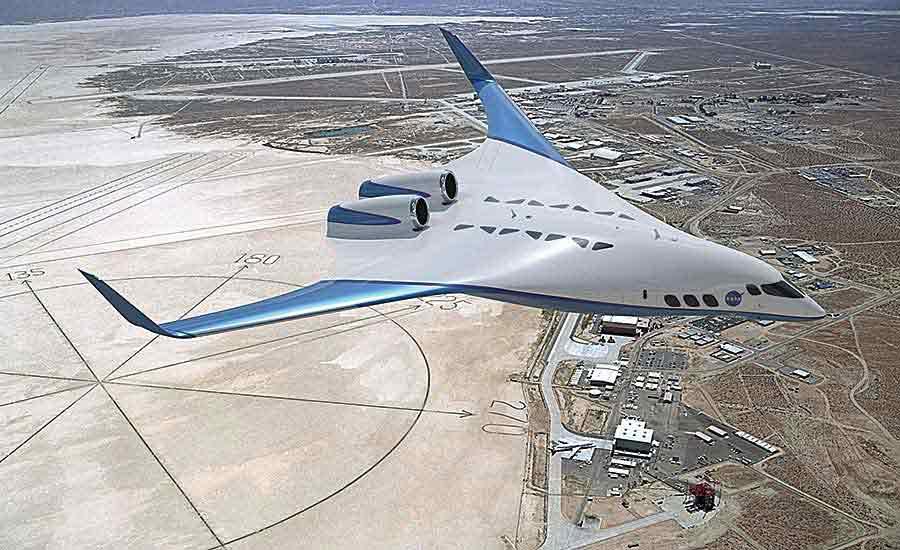
As sustainability becomes a driving force across industries, the aviation sector is facing growing pressure to reduce its environmental impact. While private jets have long been associated with luxury and exclusivity, their carbon footprint has often been a point of concern. However, with the advent of AI-powered eco-scoring systems, the private aviation industry is beginning to offer solutions that can optimize environmental efficiency and ensure that private travel becomes more sustainable. These AI-driven technologies provide passengers and operators with insights into the ecological impact of each flight, offering a more responsible approach to luxury travel.
What is AI-Powered Eco-Scoring?
AI-powered eco-scoring is a system that uses artificial intelligence to assess and rank the environmental impact of a private jet flight. By analyzing factors such as fuel consumption, flight path optimization, aircraft type, and even weather conditions, AI systems generate a score that reflects how eco-friendly a flight is. This score can be used by passengers and operators to make more informed decisions about flight planning, helping them choose options that minimize the environmental footprint of their travel.
In essence, eco-scoring integrates sustainability with advanced data analytics, providing a comprehensive overview of the environmental impact of each private jet journey. The key to the effectiveness of this technology lies in its ability to process vast amounts of real-time data, continuously adjusting to factors like fuel efficiency, flight duration, and other relevant variables to calculate an accurate eco-score.
How Does AI Eco-Scoring Work?
AI eco-scoring is powered by algorithms that analyze a wide range of data points in real-time. These include:
Fuel Efficiency: AI systems assess how much fuel the jet uses in relation to its weight, speed, and flight duration, helping identify the most fuel-efficient routes and operational practices.
Flight Path Optimization: AI can suggest the most fuel-efficient flight paths, factoring in real-time weather conditions, wind speeds, and air traffic to reduce unnecessary fuel consumption.
Aircraft Type and Technology: The AI system evaluates the aircraft’s efficiency based on its design, engine type, and the materials used. Modern aircraft with advanced aerodynamics and eco-friendly engines typically score better in terms of environmental sustainability.
Passenger Load and Weight Management: The number of passengers and cargo weight significantly affects the fuel consumption of a flight. AI-powered systems can assess the optimal weight for each flight to reduce unnecessary fuel usage, factoring in different passenger and cargo loads.
Carbon Emissions: The AI system monitors and calculates the total carbon emissions produced by the flight, helping operators assess the level of environmental responsibility of their travel choices.
By combining all these factors, AI eco-scoring provides an accurate and dynamic representation of the environmental impact of a private jet flight. This score can range from low to high, giving operators and passengers a clear understanding of the sustainability of their trip.
The Benefits of AI-Powered Eco-Scoring for Private Jet Travel
The integration of AI-powered eco-scoring into private jet travel offers a range of benefits for both passengers and the environment. These include:
- Improved Sustainability
AI-powered eco-scoring helps private jet operators reduce the carbon footprint of their flights by optimizing fuel efficiency and minimizing unnecessary emissions. By offering insights into how each flight impacts the environment, operators can make adjustments in real-time, such as altering flight paths or reducing weight, to ensure their journeys are as eco-friendly as possible. This shift towards greener aviation is crucial for aligning the private jet industry with global sustainability goals.
- Enhanced Transparency
One of the biggest challenges with private aviation has been the lack of transparency regarding its environmental impact. AI-powered eco-scoring systems provide passengers and operators with clear, actionable data about the environmental consequences of their flight. This transparency empowers passengers to make more informed decisions about their travel, such as opting for a flight with a lower eco-score or choosing more sustainable flight options.
- Personalized Sustainability Metrics
AI allows for a more personalized approach to sustainable travel. Passengers can receive customized recommendations based on their preferences, whether they’re looking for the most fuel-efficient route, the least carbon-intensive aircraft, or the option with the lowest environmental impact. This personalization not only promotes sustainable travel but also enhances the passenger experience by making it easier to align their travel choices with their environmental values.
- Cost Savings for Operators
For private jet operators, AI-powered eco-scoring can translate into significant cost savings. By optimizing flight paths, fuel consumption, and aircraft efficiency, operators can reduce fuel expenses and improve their bottom line. Additionally, airlines can use eco-scoring to differentiate themselves in a competitive market, offering more sustainable travel options that appeal to eco-conscious travelers.
- Better Decision-Making
With AI eco-scoring, decision-makers in the private aviation sector, whether they’re fleet operators, travel agencies, or individual passengers, have access to more precise, data-driven insights that allow them to make better decisions. They can compare different aircraft models, flight paths, and operational strategies to determine which combination results in the lowest environmental impact, allowing them to prioritize sustainability without sacrificing performance.
How AI Eco-Scoring Encourages Sustainable Travel Choices
AI-powered eco-scoring is a game-changer in shifting the mindset around private jet travel. Historically, private jets have been viewed as symbols of extravagance and environmental disregard. However, with the introduction of eco-scoring systems, the industry has an opportunity to challenge that narrative. By making sustainability a visible and quantifiable factor in private aviation, eco-scoring encourages travelers to choose more sustainable options.
For instance, eco-scoring can offer passengers the choice to fly on more fuel-efficient aircraft, select routes that reduce fuel consumption, or even take fewer flights altogether. It can also incentivize the use of alternative fuels such as biofuels or electric propulsion systems, which have significantly lower carbon footprints than traditional jet fuels.
Moreover, the eco-scores can serve as a reliable benchmark for evaluating private jet companies’ environmental practices. The greater the transparency and accountability, the more likely passengers will choose operators with high eco-scores, pushing the entire industry toward greener practices.
The Future of AI Eco-Scoring in Private Aviation
As the demand for sustainability in air travel grows, AI-powered eco-scoring is expected to play an even more significant role in shaping the future of private aviation. The system will likely continue to evolve, integrating even more sophisticated data points and offering increasingly accurate predictions of a flight’s environmental impact.
Additionally, with the rise of eco-conscious passengers and the increasing availability of sustainable aviation technologies, AI-powered eco-scoring is poised to become a critical tool in making private jet travel not only more sustainable but also more accessible to a wider range of environmentally-conscious travelers.
In the future, eco-scoring could be integrated with other technologies, such as carbon offset programs, where passengers can purchase carbon credits to offset the emissions produced by their flight. This creates a holistic solution to making private aviation more sustainable.
Conclusion
AI-powered eco-scoring represents the future of sustainable travel in the private jet industry. By leveraging the power of artificial intelligence, this innovative technology helps reduce the environmental impact of private jet flights, enhances transparency, and allows passengers to make more sustainable travel choices. As sustainability continues to be a major priority for travelers and the aviation industry alike, AI-powered eco-scoring will play a pivotal role in ensuring that private jet travel aligns with eco-friendly practices, driving the industry toward a more sustainable future.


