


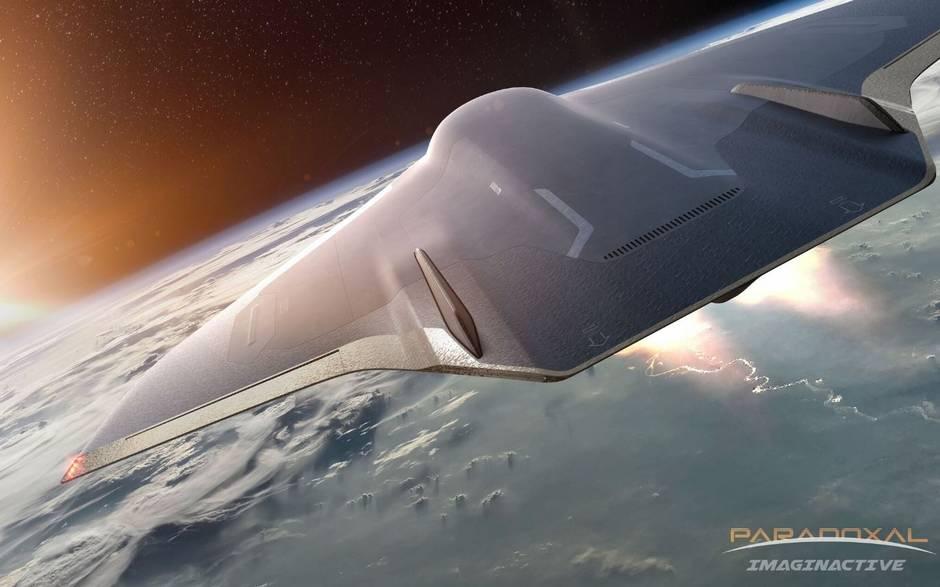
The aviation industry has seen remarkable advancements in technology over the years, but perhaps one of the most exciting developments is the emergence of AI-powered smart private jets equipped with fully adaptive cabins. These cutting-edge aircraft offer an unmatched level of personalization and comfort, turning every flight into an experience that is specifically customized to the needs and preferences of each passenger. By integrating artificial intelligence (AI) with cabin systems, these smart jets are revolutionizing private aviation, ensuring that every detail of the flight, from temperature and lighting to entertainment and seating, is optimized for the ultimate in relaxation and productivity.
How AI Powers Fully Adaptive Cabins
AI-powered smart private jets leverage sophisticated systems to monitor and adjust cabin conditions automatically in response to passenger preferences and external factors. Unlike traditional private jets, where adjustments must be made manually or through basic preset controls, AI can analyze a wide range of variables and make real-time changes to create the perfect environment. These systems use machine learning algorithms, sensors, and predictive analytics to adapt to every individual’s needs, often before they even express them.
For example, AI can track the personal preferences of passengers over time, learning how they like the cabin temperature, lighting, music, or even the seating arrangement. It can also adjust automatically to optimize comfort for different phases of the flight, such as pre-flight relaxation, in-flight work, or sleep during the cruise phase. Whether it’s adjusting the temperature based on the altitude or fine-tuning the ambient lighting to reduce eye strain, AI ensures a flawless environment that anticipates and adapts to the passenger’s preferences.
Key Features of AI-Powered Adaptive Cabins
- Personalized Comfort Settings
AI-powered private jets take comfort to a new level by automatically adjusting cabin conditions to suit individual passengers. Through advanced sensors and real-time data collection, the jet’s system can detect changes in the environment and make immediate adjustments. For example, the cabin temperature can be set precisely to each passenger’s liking based on their preferences or health needs.
If a passenger tends to feel cold during a flight, the AI system will ensure the cabin stays at a comfortable warmth. Similarly, if a passenger prefers cooler air, the system will automatically adjust the air conditioning to their preferred temperature range. This adaptability extends to factors such as humidity levels, air quality, and pressure settings, ensuring that each person is as comfortable as possible throughout the entire flight.
- Dynamic Lighting Control
Lighting plays a huge role in enhancing the overall atmosphere of a flight. AI-powered smart private jets take lighting control to new heights by offering dynamic, mood-based lighting. Using circadian rhythms, the body’s natural sleep-wake cycle, AI can adjust the lighting to mimic natural light, which helps passengers stay alert during the day and promotes relaxation at night. This feature is particularly valuable for long-haul flights, where jet lag can be a significant concern.
In addition to promoting healthy sleep patterns, AI can adjust lighting based on the time of day, flight phase, or even a passenger’s current activity. For example, bright lighting may be used for productive work hours, while softer, ambient lighting is ideal for dining or relaxation. The adaptability of the lighting system creates an environment that’s always in tune with the passenger’s needs.
- Intelligent Entertainment and Connectivity
Another remarkable feature of AI-powered adaptive cabins is the ability to offer personalized entertainment and connectivity. AI systems can curate content based on a passenger’s viewing history, preferences, and even mood. Whether the passenger is in the mood for a movie, news, or music, the system will instantly provide options that fit their interests. AI can also learn from past flights, tailoring the entertainment experience to suit each traveler’s preferences.
Moreover, with the rise of 5G connectivity and high-speed internet onboard, passengers can stay connected to the outside world, whether for business or personal purposes. AI ensures that the internet connection remains stable, even when traveling over remote areas, by adjusting the communication systems to ensure uninterrupted service.
- Adaptive Seating Arrangements
Seating in private jets has always been a critical aspect of passenger comfort, and AI-powered adaptive cabins take this to a new level by offering adjustable seating arrangements that can be customized for maximum comfort. With AI, the jet’s seats can automatically adjust based on the passenger’s preferred posture, position, and ergonomics. For instance, a traveler can adjust the seat for optimal working conditions when it’s time to get work done or recline the seat for a comfortable nap during long flights.
In addition, AI can ensure that seating arrangements can be modified based on specific activities. For example, the cabin can transform into a conference room with seating for multiple passengers, a lounging area for relaxation, or a bed-like setup for sleeping during long-haul flights. The ability to switch between different settings adds flexibility, making the cabin adaptable for various activities throughout the flight.
- Real-Time Health Monitoring
Another significant feature of AI-powered private jets is the ability to monitor the health and well-being of passengers in real-time. AI systems equipped with sensors can track various biometric data, such as heart rate, breathing patterns, and body temperature. This data is used to provide insights into the passenger’s comfort level and overall health during the flight.
For example, if a passenger is experiencing elevated stress levels or discomfort, the system can automatically adjust the cabin’s temperature, lighting, or seat position to promote relaxation. Additionally, in case of any medical emergencies, the system can alert the flight crew and suggest immediate actions based on the passenger’s health data.
- Enhanced Privacy and Security
Privacy and security are always top priorities in private aviation, and AI-powered cabins add another layer of protection. With intelligent facial recognition or voice-activated controls, passengers can access features and services with ease while ensuring that their private information remains secure. AI also allows for personalized security protocols, for example, setting up automatic responses to potential security breaches or adjusting the environment to match security requirements based on the passenger’s preferences.
Furthermore, AI can monitor the overall security of the aircraft, checking for any anomalies or potential threats. If any irregularities are detected, the system can alert the flight crew and recommend adjustments to the flight plan or cabin environment to ensure the safety of the passengers.
The Future of AI-Powered Smart Private Jets
The future of AI-powered private jets with fully adaptive cabins is extremely promising. As AI technology continues to evolve, the possibilities for personalization and efficiency will become even more advanced. We can expect further integration with wearables, where the AI system will adjust the cabin environment based on real-time data from the passenger’s health device. For example, if a passenger is about to experience a migraine, the AI might dim the lights, adjust the temperature, and play calming music, all before the passenger is even aware of the issue.
Moreover, the combination of AI, IoT (Internet of Things), and augmented reality (AR) could further transform the private jet experience. Passengers could interact with their environment through voice commands, gestures, or even virtual assistants, enhancing the ease with which they customize their surroundings.
Conclusion
AI-powered smart private jets with fully adaptive cabins are taking luxury aviation to unprecedented levels of personalization and efficiency. By using machine learning algorithms, sensors, and real-time data, these aircraft provide an experience that is customized to each passenger’s preferences and needs. From adjusting temperatures and lighting to offering personalized entertainment and ergonomic seating, AI ensures that every flight is comfortable, productive, and enjoyable. As technology continues to advance, we can expect these smart cabins to become even more intuitive and sophisticated, making private jet travel not only more luxurious but also more efficient and sustainable.


