


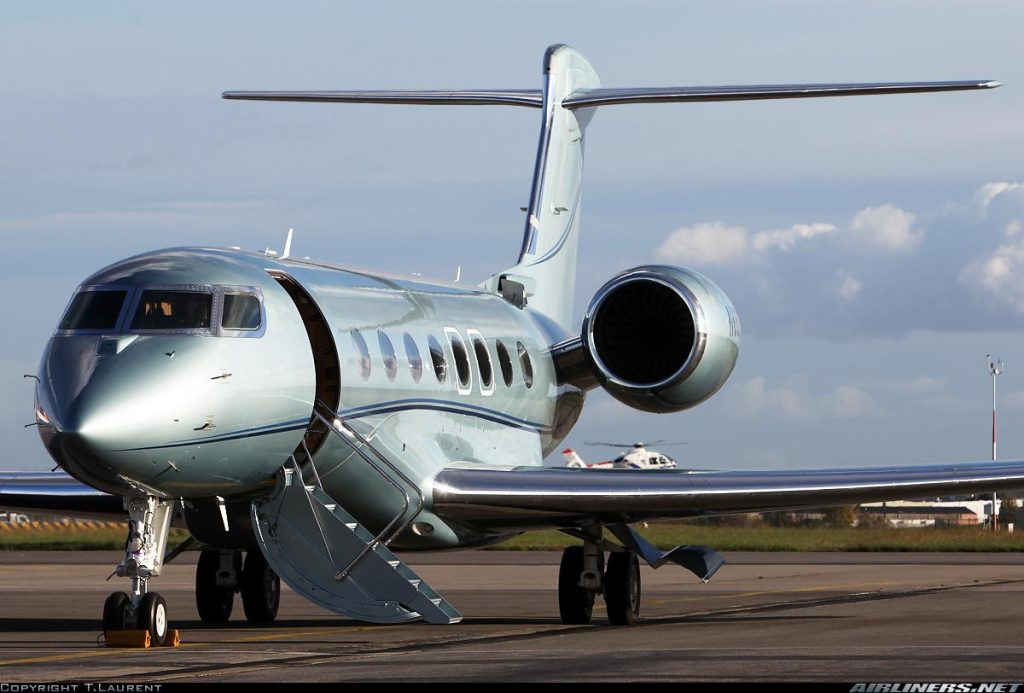
The aviation industry is constantly evolving, with a focus on enhancing efficiency, safety, and passenger comfort. One of the most groundbreaking advancements in the field is the use of AI-powered ultra-lightweight jet construction, a technology that is revolutionizing the way private jets are designed, built, and operated. By leveraging artificial intelligence in the design and manufacturing process, the aviation industry is able to create faster, more fuel-efficient, and environmentally friendly aircraft that offer a superior travel experience.
In this article, we will explore how AI is playing a pivotal role in the development of ultra-lightweight private jets, improving the speed, fuel efficiency, and overall performance of these aircraft. We’ll also delve into the various benefits and challenges of AI-powered construction, and how this technology is shaping the future of private jet travel.
The Need for Speed in Private Aviation
Private jet travel is often synonymous with luxury, convenience, and speed. For many high-profile individuals, business leaders, and celebrities, the ability to travel quickly and comfortably is a top priority. As the demand for private aviation continues to grow, there is an increasing need for aircraft that can not only provide exceptional comfort but also minimize travel time.
One of the key factors in achieving faster travel is reducing the weight of the aircraft. A lighter aircraft requires less fuel to achieve the same level of speed, allowing it to cover longer distances in shorter amounts of time. The use of AI-powered construction techniques in jet design is enabling engineers to create ultra-lightweight materials and structures that can significantly reduce the weight of private jets, leading to faster flight times and increased fuel efficiency.
How AI is Transforming Jet Construction
AI is playing a critical role in the design and manufacturing of ultra-lightweight jets. By using advanced algorithms, machine learning, and generative design techniques, AI allows engineers to optimize the structure of the aircraft to be as light and strong as possible, without compromising safety or performance. Here are some ways AI is transforming jet construction:
- Generative Design for Lightweight Materials
Generative design is an AI-driven approach that allows engineers to create optimized shapes and structures for aircraft components. Using this method, AI can simulate a wide range of design possibilities and select the most efficient configuration based on specific criteria such as weight, strength, and aerodynamics. By using generative design, engineers can develop lightweight materials and components that are customized to the specific needs of the aircraft, reducing unnecessary weight without sacrificing structural integrity.
For example, AI can create hollow, lattice-like structures that provide maximum strength while minimizing material usage. These structures can be used in key components of the aircraft, such as the wings, fuselage, and landing gear, resulting in a lighter overall design. This reduction in weight allows the jet to achieve faster speeds, reduced fuel consumption, and better overall performance.
- Advanced Composite Materials
AI is also playing a key role in the development of advanced composite materials, which are lighter and stronger than traditional materials like aluminum and steel. By analyzing data from a variety of sources, AI can help researchers identify new composite materials that offer the perfect balance of strength, flexibility, and weight reduction.
For example, AI can be used to optimize the production of carbon fiber, a material commonly used in the construction of ultra-lightweight aircraft. By analyzing the properties of carbon fiber at a molecular level, AI can determine the optimal composition and manufacturing process to create materials that are both lightweight and highly durable. The use of composite materials in private jet construction not only reduces weight but also improves fuel efficiency and performance.
- AI-Driven Aerodynamics Optimization
Aerodynamics plays a crucial role in the performance of an aircraft, particularly in terms of speed and fuel efficiency. AI-powered systems can analyze vast amounts of data to optimize the aerodynamic design of a jet, reducing drag and improving overall efficiency.
By using machine learning algorithms, AI can simulate airflow patterns over the jet’s surface and suggest design modifications that minimize drag. For example, AI can recommend changes to the shape of the wings or fuselage, ensuring that the aircraft moves through the air more smoothly and efficiently. These aerodynamic improvements help to reduce fuel consumption, allowing the jet to travel faster and farther with less effort.
- AI in Manufacturing and Assembly
AI is not only revolutionizing the design of private jets but also the way they are built. In the manufacturing process, AI-powered robots and automation systems are used to assemble aircraft components with incredible precision. These systems can analyze data in real-time and make adjustments to the assembly process, ensuring that each component is manufactured to the highest standards of quality and efficiency.
In addition, AI-driven 3D printing technology is being used to create lightweight components with complex geometries that would be difficult or impossible to produce using traditional manufacturing methods. This allows engineers to create parts that are both strong and lightweight, further reducing the overall weight of the aircraft.
- Predictive Maintenance and Performance Monitoring
Once an ultra-lightweight private jet is built, AI continues to play a role in ensuring its ongoing performance and safety. Predictive maintenance powered by AI allows operators to monitor the condition of the aircraft in real-time, identifying potential issues before they become major problems. By analyzing data from sensors placed throughout the jet, AI can predict when specific components are likely to need maintenance or replacement.
This predictive capability helps to reduce downtime and ensures that the jet is always operating at peak performance. By maintaining the aircraft in optimal condition, AI-powered maintenance systems contribute to the overall efficiency and safety of the jet, allowing it to continue delivering fast and reliable travel for years to come.
Benefits of AI-Powered Ultra-Lightweight Jet Construction
The use of AI in ultra-lightweight jet construction offers numerous benefits for both manufacturers and passengers alike:
- Faster Travel Times
The primary advantage of lightweight construction is the ability to achieve faster flight times. By reducing the weight of the aircraft, AI-powered designs enable private jets to travel at higher speeds, covering longer distances in less time. This is particularly important for business executives and travelers who require quick access to destinations without the delays associated with commercial air travel.
- Improved Fuel Efficiency
Lightweight aircraft are more fuel-efficient, as they require less energy to maintain speed and altitude. By using AI to optimize the design of the aircraft and select the most efficient materials, private jets can achieve better fuel economy, reducing operational costs and environmental impact.
- Enhanced Performance
AI-driven design and optimization processes result in aircraft that perform better overall. With improved aerodynamics, stronger yet lighter materials, and precision engineering, ultra-lightweight jets can achieve higher levels of performance, including faster climb rates, better fuel efficiency, and improved handling.
- Cost Savings
While the initial investment in AI-powered construction and advanced materials can be high, the long-term savings are significant. Lighter aircraft consume less fuel, require fewer maintenance interventions, and have longer lifespans. This leads to lower operational costs for private jet owners and operators.
- Environmental Benefits
In addition to reducing fuel consumption, AI-powered lightweight jets can have a positive impact on the environment. By using advanced materials and more efficient designs, these aircraft produce fewer emissions and contribute to a more sustainable aviation industry.
Challenges and Considerations
While AI-powered ultra-lightweight jet construction offers numerous benefits, there are also some challenges and considerations to keep in mind:
- High Initial Costs
The development and implementation of AI-powered design and manufacturing processes require significant upfront investment. The use of advanced materials, 3D printing, and AI-driven optimization techniques can be expensive, making it a costly endeavor for manufacturers and jet owners alike.
- Regulatory Approval
As AI-powered jet construction becomes more prevalent, the aviation industry will need to adapt its regulatory framework to accommodate these new technologies. Ensuring that AI-designed aircraft meet the stringent safety standards of aviation authorities will be crucial to their widespread adoption.
- Data Privacy and Security
AI systems rely on large amounts of data to optimize jet design and performance. Ensuring the privacy and security of this data is essential to prevent unauthorized access or misuse. Manufacturers and operators will need to implement robust cybersecurity measures to protect sensitive information.
The Future of AI-Powered Ultra-Lightweight Jets
As technology continues to evolve, the role of AI in private jet construction will become even more significant. With the increasing demand for faster, more fuel-efficient aircraft, AI-powered lightweight designs will continue to push the boundaries of what is possible in aviation. The future of private jet travel will be defined by faster speeds, reduced environmental impact, and enhanced passenger experiences, all made possible by AI-driven innovation.
Conclusion
AI-powered ultra-lightweight jet construction is revolutionizing the aviation industry by enabling the creation of faster, more fuel-efficient, and environmentally friendly private jets. Through the use of generative design, advanced composite materials, aerodynamic optimization, and AI-driven manufacturing processes, the aviation industry is poised to offer a new generation of aircraft that combine cutting-edge technology with a very uniqueed performance. As AI continues to shape the future of aviation, ultra-lightweight jets will become an increasingly important part of the private travel landscape, delivering faster and more efficient travel for those who demand the best.


