


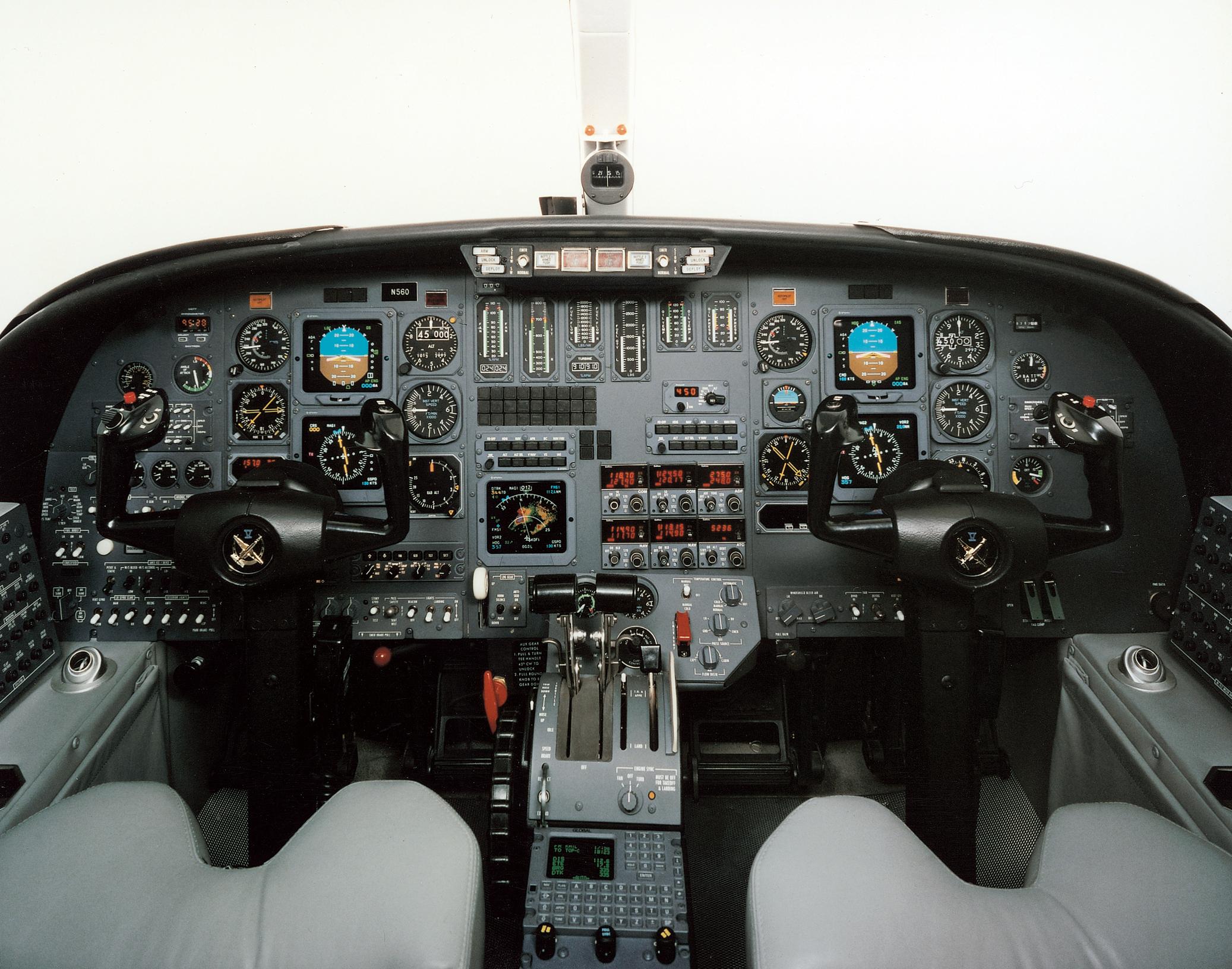
As technology continues to advance at a rapid pace, private aviation is no exception. In particular, AI-powered voice assistants are reshaping the way passengers and crew interact with private jets. These advanced assistants offer a seamless, hands-free experience, allowing individuals aboard to control nearly every aspect of the jet, from lighting to entertainment, climate control, and even seat adjustments, using only their voice. This integration of artificial intelligence (AI) into the cockpit and cabin provides an unprecedented level of convenience and personalization for passengers while making operations more efficient for the crew.
In this article, we will explore the transformative potential of AI-powered voice assistants in private jets, detailing the benefits, applications, and the future of luxury aviation.
The Rise of AI in Private Aviation
Artificial Intelligence has been making waves across various industries, and aviation is no exception. AI’s ability to handle complex tasks, analyze real-time data, and make instant decisions makes it an ideal technology for private jets, which demand high levels of comfort, efficiency, and personalization. One of the most notable uses of AI in private aviation is the integration of voice-controlled assistants that manage an extensive array of systems on board.
In the past, controlling various features of a private jet required manual adjustments, whether that was through physical buttons, touchscreens, or switches. However, with the implementation of AI-powered voice assistants, passengers no longer need to search for specific controls or rely on the crew to make adjustments. They simply speak their request, and the assistant takes care of the rest. Whether it’s adjusting the temperature, changing the lighting, or setting the entertainment system, AI ensures that every aspect of the flight is customized and optimized for comfort.
- Seamless Control of In-Flight Systems
The most immediate benefit of AI-powered voice assistants is the ability to control in-flight systems without any physical interaction. These systems include:
Lighting: Voice assistants can adjust the cabin lighting based on time of day, passenger preferences, or even mood settings. Whether it’s a soft glow for relaxation or bright lights for a more functional environment, passengers can simply ask the assistant to change the lighting without needing to locate the controls.
Climate Control: One of the most crucial aspects of in-flight comfort is temperature. AI assistants allow passengers to set the cabin to their ideal temperature just by voicing their preferences. For example, saying “set the cabin temperature to 22°C” will automatically adjust the jet’s climate control system to the desired setting.
Entertainment: With AI-powered assistants, passengers can request movies, music, or podcasts instantly. Rather than fumbling with remote controls or looking through menus, a voice command can bring up entertainment choices like, “Play the latest action movie,” or “Start my favorite playlist.”
Seats and Comfort Settings: AI can adjust seating positions based on individual preferences. Whether it’s adjusting the recline, lumbar support, or even the footrest, passengers can simply speak their preferences, and the AI will adjust the seat settings automatically.
Wi-Fi & Connectivity: In the modern world, connectivity is vital, even while flying at 40,000 feet. AI-powered assistants can instantly connect to Wi-Fi networks, adjust bandwidth settings, or provide connectivity updates with simple voice commands, such as “connect to Wi-Fi” or “increase bandwidth.”
- Personalized Experience
AI-powered voice assistants can learn and adapt to a passenger’s specific preferences over time. Through machine learning, these assistants can remember requests, such as preferred temperature, lighting levels, or even favorite shows, and automatically adjust the jet’s features based on past behavior. This continuous learning process means that each flight feels more personalized than the last.
For example, if a passenger consistently requests a specific seating position or a certain type of meal, the AI assistant will log this information and automatically make those adjustments without needing to be reminded. This level of personalization elevates the private jet experience, offering a more comfortable and luxurious journey.
- Streamlined Operations for the Crew
The integration of AI-powered voice assistants not only enhances the passenger experience but also streamlines operations for the crew. Pilots and flight attendants can use voice commands to monitor and control the jet’s systems, reducing the time spent adjusting settings manually.
For instance, flight attendants can simply say, “Set the cabin lighting to evening mode,” or “Adjust the temperature in the galley to 18°C,” allowing them to focus more on passenger service rather than handling technical controls. In the cockpit, pilots can use voice commands to retrieve vital information, control flight systems, and even get real-time weather updates, all without taking their hands off the controls.
By using voice commands, the workload for both passengers and crew is significantly reduced, allowing everyone aboard to enjoy a more efficient and comfortable flight experience.
- Increased Safety and Hands-Free Operations
Another critical benefit of AI-powered voice assistants is the safety they offer. By reducing the need for passengers and crew to interact with physical controls, there is less distraction during the flight. For example, passengers don’t need to manually adjust the cabin systems during critical phases of flight, like takeoff or landing. Instead, they can request adjustments through voice commands without ever needing to take their eyes off important tasks, ensuring a safer, more streamlined journey.
Additionally, for pilots, voice commands allow for hands-free operation of certain flight systems, reducing the likelihood of human error. For instance, a pilot can request specific flight data, adjust autopilot settings, or even ask for updates on flight progress without needing to physically manipulate dials and switches.
- Integration with Smart Jet Technologies
As smart jet technologies continue to evolve, voice assistants are becoming increasingly integrated with other AI-driven systems aboard the jet. These systems can range from AI-powered autopilot that adjusts the jet’s flight path based on real-time data to advanced radar systems that provide instant weather and air traffic updates. AI-powered voice assistants can interact with all these systems and communicate essential information to both passengers and crew.
For instance, if the weather forecast changes suddenly, the assistant can alert passengers with a voice message: “Weather conditions have changed. Please expect mild turbulence for the next 10 minutes.” It can also automatically adjust cabin settings, such as seat belts or oxygen masks, without requiring manual input.
- AI Voice Assistants and Privacy Concerns
With the integration of AI-powered systems comes a critical concern: privacy. While voice assistants offer incredible convenience, they also raise questions about data security and how personal information is stored and used. In private aviation, passengers often discuss confidential matters during flights, so it’s essential that AI systems are designed to prioritize data protection.
Modern AI systems must be equipped with advanced encryption and secure protocols to ensure that any voice commands or personal data shared are kept private. Additionally, passengers should have control over the data the voice assistant collects, allowing them to easily delete any stored information or preferences.
The Future of AI-Powered Voice Assistants in Aviation
The potential of AI-powered voice assistants in private jets is vast. As AI technology continues to improve, these assistants will become even more intelligent, intuitive, and personalized, offering an even greater level of convenience and comfort. The future could see voice assistants that not only control in-flight systems but also manage pre-flight and post-flight logistics, such as arranging transportation to the jet, coordinating meal orders, or even making hotel reservations for passengers after they land.
As private aviation continues to evolve, the AI-powered voice assistant will play a pivotal role in enhancing the overall passenger experience, making air travel more efficient, comfortable, and luxurious than ever before.
—
By seamlessly integrating voice control into the flying experience, AI-powered voice assistants are revolutionizing private jets. Offering passengers the ability to control every feature of the jet instantly, these systems will continue to enhance the convenience, comfort, and personalization of private aviation in the years to come. As AI technology advances, these assistants will only become more sophisticated, creating an aviation experience that is truly futuristic.


