


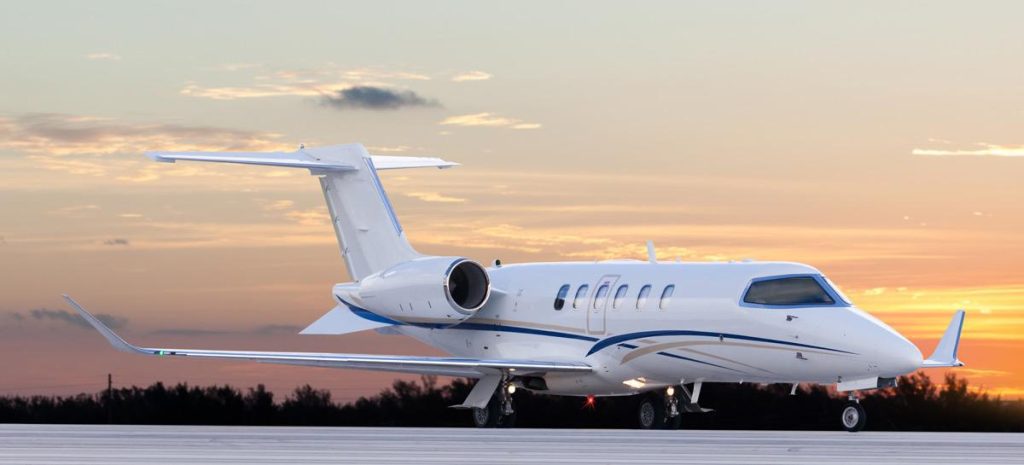
The world of luxury aviation is constantly evolving, with jet manufacturers constantly pushing the boundaries of design and technology. From comfort and style to innovation and efficiency, private jet interiors have come a long way in recent years. As the demand for exclusive travel continues to rise, next-gen luxury jets are poised to redefine the aviation experience. This final review benchmarks the latest innovations that are shaping the future of private aviation, focusing on aesthetic advancements, advanced technology, and personalized passenger experiences.
1.Technological Breakthroughs in Jet Design
The future of luxury jet design is driven by a blend of innovative technology and sustainable practices.Aircraft manufacturers are increasingly incorporating cutting-edge technologies to enhance the overall flight experience. These technological advancements are not only revolutionizing cabin interiors, but also improving performance, efficiency, and passenger comfort.
Smart Cabin Technology
One of the most exciting developments in luxury jet design is the integration of smart cabin technology. This includes personalized climate control, intelligent lighting systems, and voice-activated controls that allow passengers to adjust the environment to their exact preferences. Smart cabin technology can also automate routine tasks, such as adjusting seating positions or controlling entertainment systems, all of which can be controlled by a smartphone or tablet.
For instance, the Gulfstream G700 introduces a new level of smart cabin integration, allowing passengers to control lighting, temperature, entertainment, and seating arrangements from a single device. These advancements ensure that every aspect of the flight experience is customized to meet the passenger’s preferences.
Advanced Air Filtration and Wellness Technology
In response to the growing demand for health-conscious travel, next-gen luxury jets are incorporating advanced air filtration systems and wellness technology. These innovations are designed to improve air quality, reduce noise pollution, and promote overall passenger well-being.
For example, Boeing’s 787 Dreamliner features a state-of-the-art air filtration system that uses HEPA filters to remove 99.97% of airborne particles, including viruses and bacteria. Additionally, air purification systems in next-gen jets are being designed to create a healthier and more comfortable environment by maintaining a constant airflow and removing airborne contaminants.
Jet manufacturers are also focusing on noise-reduction technologies to create quieter cabins, offering a more serene flying experience. Many modern jets now feature active noise cancellation systems that use sensors and advanced algorithms to cancel out disruptive sounds, making it easier for passengers to relax, sleep, or conduct business during the flight.
2.Sustainable Design Trends
As environmental concerns continue to grow, sustainability is becoming a major focus in the world of luxury aviation. Manufacturers are striving to develop eco-friendly designs, including low-emission engines, biofuels, and lightweight materials, in an effort to reduce the environmental impact of private aviation.
Lightweight and Sustainable Materials
Next-gen luxury jets are being constructed with lightweight and sustainable materials that reduce fuel consumption and carbon emissions. For example, composite materials, such as carbon fiber, are being increasingly used in aircraft construction due to their strength and lightness, which contribute to fuel efficiency and longer-range capabilities.
Titanium and aluminum alloys are also being incorporated into aircraft design to reduce weight and improve performance. These materials not only enhance the jet’s structural integrity but also make it more efficient and environmentally friendly.
Sustainable Aviation Fuel (SAF)
The use of Sustainable Aviation Fuel (SAF) is one of the most promising solutions for reducing the carbon footprint of private jets. SAF is produced from renewable resources, such as plant-based oils and waste materials, making it a greener alternative to traditional jet fuel. Many luxury jet manufacturers, including Gulfstream, Bombardier, and Dassault, are now investing in SAF technology to power their aircraft, aiming to achieve a reduction in greenhouse gas emissions and contribute to the aviation industry’s goal of carbon neutrality.
- Customization and Personalization: Luxury in Design
As the demand for personalized experiences in the sky continues to rise, customization has become a defining trend in luxury jet design. Aircraft owners now expect customized interiors that reflect their individual style and preferences. From bespoke furniture to custom lighting, luxury jets are now offering unparalleled levels of personalization.
Bespoke Interiors and Seating Configurations
Modern luxury jets are being designed with the option for fully customizable interiors, allowing owners to select everything from fabrics and materials to seating configurations and floor plans. Whether it’s a multi-functional workspace, a private bedroom suite, or a gourmet kitchen, every aspect of the jet’s interior can be customized to the passenger’s needs.
For example, the Dassault Falcon 8X offers a wide range of interior options, including a private suite with a full-size bed, reclining chairs, and dining areas. The aircraft also allows for customizable color schemes and luxury finishes, such as Italian leather, polished wood, and fine metals.
Luxury Furniture and State-of-the-Art Amenities
Luxury jet manufacturers are also integrating high-end furniture and state-of-the-art amenities into their designs. The latest jets offer features like Italian leather seating, custom dining tables, and full-size beds with premium bedding. Luxury jet bathrooms now feature rainfall showers, heated floors, and custom toiletries, elevating the in-flight experience to the highest level of comfort and convenience.
In addition to furniture and amenities, many private jets are also equipped with advanced entertainment systems, including high-definition televisions, surround sound systems, and video conferencing technology, ensuring that passengers can stay connected and entertained throughout their flight.
4.Advanced Jet Performance and Efficiency
Beyond luxury and design, next-gen luxury jets are also focusing on performance and efficiency. Modern jets are being designed to offer exceptional speed, long-range capabilities, and fuel efficiency, allowing them to travel faster and farther while using less fuel.
Enhanced Speed and Range
Next-gen luxury jets are built with advanced engines and aerodynamic designs that allow them to travel at higher speeds and cover longer distances than ever before. Aircraft like the Gulfstream G700 and Bombardier Global 7500 are capable of flying at speeds of over Mach 0.9, making them some of the fastest business jets in the world. With impressive range capabilities, these jets can fly non-stop between cities that were previously unreachable by private aviation.
Efficient Fuel Usage
Efficiency is also a major priority in next-gen jets, with manufacturers striving to optimize fuel usage through innovative designs and fuel-efficient technologies. Aircraft like the Gulfstream G650ER and Bombardier Global 7500 are designed to minimize fuel consumption while maximizing performance and range, making them cost-effective and eco-friendly.
5.Conclusion: The Future of Airborne Luxury
The future of luxury jet design is an exciting blend of technology, sustainability, and personalization. With cutting-edge features like smart cabins, advanced air filtration, sustainable materials, and luxury interiors, next-gen luxury jets are setting new standards for what is possible in the world of private aviation.
As the aviation industry continues to evolve, we can expect even more innovative designs and technological advancements that will further elevate the luxury flight experience. Whether it’s the speed, comfort, or efficiency, the next generation of luxury jets will undoubtedly redefine what it means to travel in the lap of luxury.


