


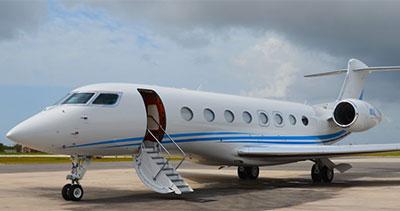
In the world of private aviation, the design of luxury jets is not just about aesthetic appeal, it’s about pushing the limits of comfort, technology, and personalization. As the demand for high-end travel experiences continues to rise, jet manufacturers are focusing on creating innovative solutions that blend state-of-the-art technology with exquisite design. This article takes a comprehensive look at the next-gen luxury jet innovations that are reshaping the future of airborne design.
- Revolutionizing the Flying Experience: The Role of Technology in Jet Design
The most notable advancements in luxury jet interiors are driven by technology. From advanced lighting systems to intelligent climate control, these innovations are not only enhancing comfort but also increasing efficiency and personalization. As artificial intelligence and machine learning become more integrated into the aviation industry, the flying experience is being redefined with features that adapt to passengers’ needs.
Smart Cabin Technology: Cabin management systems are rapidly evolving, allowing passengers to control almost every aspect of the cabin environment via their smartphones or voice-activated systems. The integration of IoT (Internet of Things) devices into jets allows for personalized lighting, temperature control, and even the adjustment of seat positions, all based on individual preferences. For example, a jet like the Gulfstream G700 utilizes smart technology to ensure that the cabin environment is always optimal for passenger comfort.
Advanced Connectivity: As connectivity becomes a priority for travelers, next-gen luxury jets are incorporating ultra-fast satellite internet and high-definition video conferencing technology. This makes it easier for passengers to stay connected during long flights. The Bombardier Global 7500, for instance, provides global Wi-Fi connectivity, ensuring that business travelers can work seamlessly while flying.
Sustainable Design Solutions: With an increased focus on environmental responsibility, many manufacturers are integrating eco-friendly materials and energy-efficient technologies into jet interiors. The Dassault Falcon 8X, for instance, features energy-efficient LED lighting and sustainable materials for upholstery and finishes. This trend toward sustainability is set to shape the future of luxury jet design.
- Luxury Materials: Setting the Standard for Quality and Elegance
The materials used in the interior design of luxury jets are a significant factor in determining the overall comfort and aesthetic appeal of the aircraft. The next generation of jets is all about refined craftsmanship and quality materials that reflect the highest standards of luxury.
Exquisite Upholstery and Fabrics: The use of high-quality fabrics such as fine leather, silk, and cashmere in seating, bedding, and curtains is one of the hallmarks of luxury jet design. Custom stitching and embellishments are added to elevate the sophistication of the cabin’s interiors. Manufacturers are offering personalized options for upholstery and finishes, enabling owners to tailor the interior of their jets to their unique tastes.
Bespoke Wood and Metalwork: High-end wood finishes are a signature feature in many luxury jets, often crafted from rare and exotic woods. Whether it’s polished mahogany, sapele, or walnut, these materials are chosen for their beauty and durability. Metal accents in gold, chrome, or titanium are often used to enhance the overall opulence of the jet, providing a sense of sophistication and luxury. The Embraer Lineage 1000E, for example, features handcrafted wood panels and polished aluminum elements that create an inviting and luxurious atmosphere.
Custom Design Solutions: Aircraft manufacturers are pushing the boundaries of interior design by offering bespoke solutions to clients. Jets like the Gulfstream G700 and Bombardier Global 7500 allow owners to choose from a wide variety of materials and color palettes for their aircraft interiors, providing them with the ability to create a truly personalized experience. Whether it’s the choice of seat fabrics or the finish of the woodwork, owners can make design decisions that reflect their personal style.
- Space and Layout Optimization: Maximizing Comfort and Functionality
One of the most exciting innovations in luxury jet design is the optimization of space. As aircraft designs evolve, manufacturers are finding new ways to maximize both comfort and functionality within the confined space of an aircraft cabin. The layout of a jet is no longer just about providing comfortable seating; it’s about creating versatile spaces that cater to every need, from business meetings to rest and relaxation.
Modular Layouts: The next-generation jet interior layouts focus on modular spaces that can be easily adapted to different needs. Seating configurations can be altered to create private suites, or the area can be transformed into a conference room with a full-sized table. In the Bombardier Global 7500, the cabin can be customized into four distinct living areas, including a master suite, dining area, lounge, and work area. This flexibility ensures that passengers can work, rest, or entertain without compromise.
Private Suites and Bedrooms: For those seeking ultimate privacy and comfort, private suites and bedrooms are becoming standard features in the latest luxury jets. The Gulfstream G700, for example, offers a master bedroom with a full-size bed and dividers that separate sleeping areas from the rest of the cabin. With smart glass that can turn transparent or opaque at the touch of a button, these suites offer an unparalleled level of privacy and luxury during long-haul flights.
Expansive Dining and Lounge Areas: Dining and lounging are key components of the luxury jet experience. The Dassault Falcon 8X features an impressive dining area that can seat up to six passengers comfortably, with a galley designed for the preparation of gourmet meals. The Embraer Lineage 1000E offers an expansive lounge area where passengers can socialize or unwind in complete comfort.
- Passenger-Centric Features: Tailoring Every Detail
The future of luxury jet interiors is all about personalization and comfort. Passengers expect their flying experience to be customized to their individual needs, and jet manufacturers are using advanced technologies and design principles to ensure that each detail reflects the desires of their clients.
Adjustable Lighting: The lighting system in next-gen jets is becoming more sophisticated, with advanced LED systems that can simulate the time of day or adjust to the passenger’s preferences. Mood lighting can be used to create a relaxing environment, while bright lighting can be used to enhance productivity. Adaptive lighting systems can also help mitigate the effects of jet lag by gradually adjusting to the time zone of the destination.
Custom Seating Options: Seating is no longer just about comfort; it’s about providing a customized experience. Seats in modern jets feature adjustable positions, built-in massagers, and heating and cooling functions to ensure that every passenger enjoys a comfortable journey. The Bombardier Global 7500 offers reclining seats with memory foam cushions that can adjust to the perfect angle for sleeping or working.
In-Flight Entertainment: As entertainment plays a significant role in the luxury jet experience, the latest jets are equipped with high-definition screens, advanced sound systems, and streaming services. Passengers can enjoy the latest movies, music, and games, all accessible through the in-flight entertainment system. The Gulfstream G700 and Global 7500 both feature premium sound systems that enhance the overall cabin experience.
- The Future of Luxury Jet Interiors: Trends to Watch
Looking ahead, there are several exciting trends that will shape the future of luxury jet interiors. Manufacturers are increasingly focusing on creating interiors that not only provide maximum comfort but also meet the growing demand for sustainability, efficiency, and advanced technology.
Sustainable Materials: As environmental awareness grows, there is a shift toward using sustainable and recyclable materials in jet interiors. Natural fibers, recycled plastics, and energy-efficient lighting will become more prevalent in future jet designs.
Full Integration of AI and Automation: Artificial intelligence and automation will play a greater role in managing the cabin environment. From adjusting temperatures based on passenger preferences to controlling lighting and entertainment, AI will make flying even more seamless and personalized.
Biometric Security: Security will continue to be a priority in private aviation, and biometric systems that use facial recognition and other forms of identification will become standard in luxury jets. These systems will ensure a more efficient and secure experience for passengers.
Conclusion: Defining the Future of Luxury Air Travel
The next generation of luxury jets is defined by innovative designs, cutting-edge technology, and exceptional craftsmanship. With advanced features like smart cabin management, personalized interiors, and sustainable materials, these aircraft are setting a new standard in private air travel. As the demand for personalized luxury experiences continues to rise, the future of luxury jet interiors will continue to evolve, offering passengers unparalleled comfort, convenience, and style.
From modular layouts to eco-friendly innovations, the sky’s the limit when it comes to the design of next-gen jets. As these airborne innovations take flight, passengers will continue to enjoy the ultimate in comfort and sophistication, whether it’s for business, leisure, or everything in between.


