


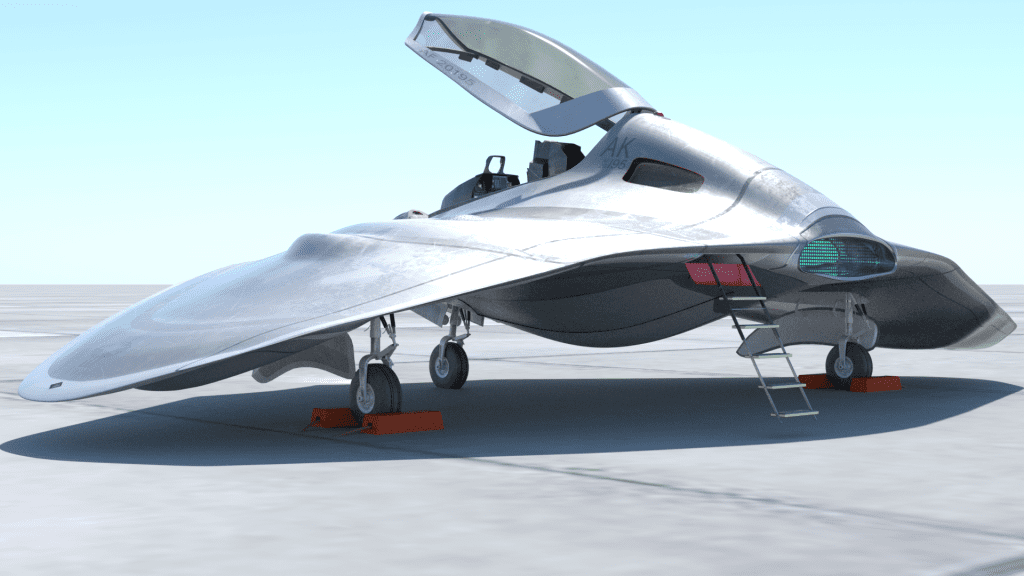
The world of luxury jets is not just about reaching a destination; it’s about the experience and the innovations that make it extraordinary. With new advancements in technology, design, and performance constantly shaping the industry, elite jets have transformed the way passengers view air travel. These aircraft are now equipped with the most advanced features, setting new standards in aviation, safety, and comfort. Whether it’s for business, leisure, or ultra-long-distance travel, airborne innovation is at the heart of every elite jet.
This comprehensive analysis will delve into the top elite jets, comparing their technologies, design features, and performance metrics. We will examine how each jet stands out in terms of efficiency, comfort, and luxury, offering a clear comparison for discerning travelers and aviation enthusiasts.
The Essence of Airborne Innovation in Elite Jets
Innovation in the world of luxury aviation doesn’t just mean adding the latest gadgets or flashy designs. It’s about integrating cutting-edge technology, superior craftsmanship, and sustainable practices to create a flying experience that is second to none. The elite jets of today are packed with smart systems, luxurious features, and efficient performance enhancements that take private aviation to the next level.
With air travel continuing to be a major part of both business and leisure, jet manufacturers are pushing the boundaries of what’s possible, offering customers customized and high-performance flying experiences. These innovations not only improve the comfort of passengers but also enhance the efficiency and sustainability of air travel.
Let’s break down the key innovations that have defined the top elite jets and compare how they stack up in different aspects of luxury air travel.
- Jet Performance and Range: Pushing the Boundaries of Distance
When it comes to elite jets, one of the first aspects to consider is performance. How far can these jets travel? What speeds can they reach? And what makes their performance superior to other aircraft in the same class?
Jet performance isn’t just about speed; it’s about efficiency, range, and fuel consumption. Long-range jets are especially popular in the world of elite aviation, allowing executives and travelers to fly across continents without stopping for fuel. Performance metrics such as cruise speed, maximum altitude, and operational efficiency are crucial factors in defining a jet’s status in the premium market.
Gulfstream G700: The G700 sets the standard for long-range performance, capable of flying 7,500 nautical miles non-stop at a cruising speed of Mach 0.85. The combination of impressive speed and fuel efficiency makes the Gulfstream G700 one of the top contenders in its class.
Bombardier Global 7500: Another aircraft known for its impressive performance is the Global 7500. With a maximum range of 7,700 nautical miles, this jet can connect any two cities in the world, all while offering a superior cruise speed of Mach 0.85. Its fuel-efficient engines and aerodynamic design ensure it excels in both speed and efficiency.
Dassault Falcon 8X: With a range of 6,450 nautical miles and a cruising speed of Mach 0.90, the Falcon 8X is another top-tier aircraft. The jet’s performance is enhanced by its advanced wing design and powerful engines, ensuring a smooth flight at high altitudes.
- Design and Comfort: Luxury in Every Detail
Elite jets are designed with luxury in mind. Whether it’s the cabin layout, materials, or aesthetic appeal, comfort is paramount. The interior design is a reflection of the passengers’ needs for relaxation, privacy, and functionality. While luxurious materials like leather, silk, and wood are common in the interiors, technology plays an equally important role in ensuring the comfort and convenience of passengers.
Key Design Features:
Bespoke Interiors: Personalization is a major selling point for many top-tier jets. From custom seating configurations to personalized décor, luxury aviation brands are offering fully customized cabins that cater to the tastes and needs of the passengers.
Smart Cabin Technology: The integration of smart technology into jet interiors is one of the most notable innovations in elite jets. Passengers can control the temperature, lighting, entertainment, and even air quality with touchscreens or voice commands. Air quality management systems, in particular, ensure that the cabin remains fresh throughout the flight, with advanced filtration systems providing cleaner air.
Spacious Cabins: Elite jets are designed to make the most of available space. With innovative layouts, these jets offer plenty of room for both relaxation and productivity. Convertible seating, expansive windows, and multi-functional spaces are all part of creating a spacious environment that adapts to the passenger’s needs.
Gulfstream G700: Known for its spacious interior, the Gulfstream G700 offers a cabin with flexible zones that can be customized to serve as a lounge, office, or dining area. The jet features large panoramic windows and advanced lighting systems, ensuring passengers have a comfortable and relaxing flight experience.
Bombardier Global 7500: This aircraft features a spacious four-zone cabin with fully lie-flat beds, large windows, and a full-sized galley. The cabin is designed with flexibility in mind, allowing it to be used for both business meetings and personal relaxation.
Dassault Falcon 8X: The Falcon 8X offers a quiet, luxurious cabin with custom seating options, allowing passengers to sleep or work in ultimate comfort. The interior is fully customizable, with luxurious finishes and high-end materials, making it perfect for those seeking a comfortable flying experience.
- Sustainability: The Green Aviation Revolution
In response to the growing demand for eco-friendly travel, many manufacturers of elite jets are investing in sustainability and reducing the carbon footprint of their aircraft. Sustainable aviation technologies are becoming essential in modern air travel, with manufacturers focusing on fuel efficiency, alternative fuel sources, and eco-friendly materials.
Sustainable Innovations:
Advanced Engine Technology: New engine technologies are pushing the boundaries of fuel efficiency, allowing elite jets to reduce emissions while maintaining high levels of performance.
Lightweight Materials: By utilizing carbon fiber and other lightweight composites, jet manufacturers can reduce the overall weight of the aircraft, improving fuel efficiency.
Biofuels and Hybrid Propulsion: Some luxury jet manufacturers are exploring biofuels and hybrid propulsion technologies to further reduce the environmental impact of their jets.
Gulfstream G700: The Gulfstream G700 is equipped with fuel-efficient engines and has a design optimized for reduced drag, making it a more eco-friendly option in the luxury jet market.
Bombardier Global 7500: This aircraft uses advanced aerodynamics and fuel-efficient engines to achieve its impressive range while reducing overall fuel consumption.
Dassault Falcon 8X: Known for its lightweight design and advanced engine systems, the Falcon 8X offers improved fuel efficiency and reduced carbon emissions compared to older models.
- Advanced Cabin Systems: Next-Generation Comfort
Modern jets come equipped with advanced cabin systems that enhance comfort and convenience during flights. These systems integrate air conditioning, lighting, entertainment, and communication tools into a seamless experience, ensuring that passengers are never disconnected from the world or uncomfortable during their journey.
Key Features:
High-Definition Entertainment Systems: Passengers can enjoy the latest movies, music, and games in high definition during their flight. Advanced entertainment systems include multi-zone audio, interactive screens, and streaming capabilities.
Air Filtration and Climate Control: Advanced air filtration systems ensure that the air inside the cabin is clean and fresh. Climate control systems offer a more personalized experience by maintaining the desired temperature in each part of the cabin.
Gulfstream G700: The G700 features smart cabin management systems that allow passengers to control every aspect of their flight environment, from the temperature to the entertainment system, using an intuitive touchscreen interface.
Bombardier Global 7500: This jet is equipped with an advanced cabin management system, allowing passengers to control everything from lighting to temperature. The system also includes real-time satellite communications, ensuring passengers are always connected.
Dassault Falcon 8X: The Falcon 8X offers state-of-the-art entertainment systems with high-definition screens and multizone audio, as well as advanced air filtration systems for maximum comfort.
Conclusion
The world of luxury jets has come a long way, with elite aircraft incorporating cutting-edge technologies, innovative designs, and sustainability practices. The Gulfstream G700, Bombardier Global 7500, and Dassault Falcon 8X are just a few examples of how the latest innovations in performance, design, and comfort are shaping the future of private aviation. Whether it’s fuel efficiency, advanced cabin systems, or luxurious interiors, these jets stand out as the ultimate in airborne innovation, providing the highest levels of comfort and performance to elite travelers around the world.
–


