


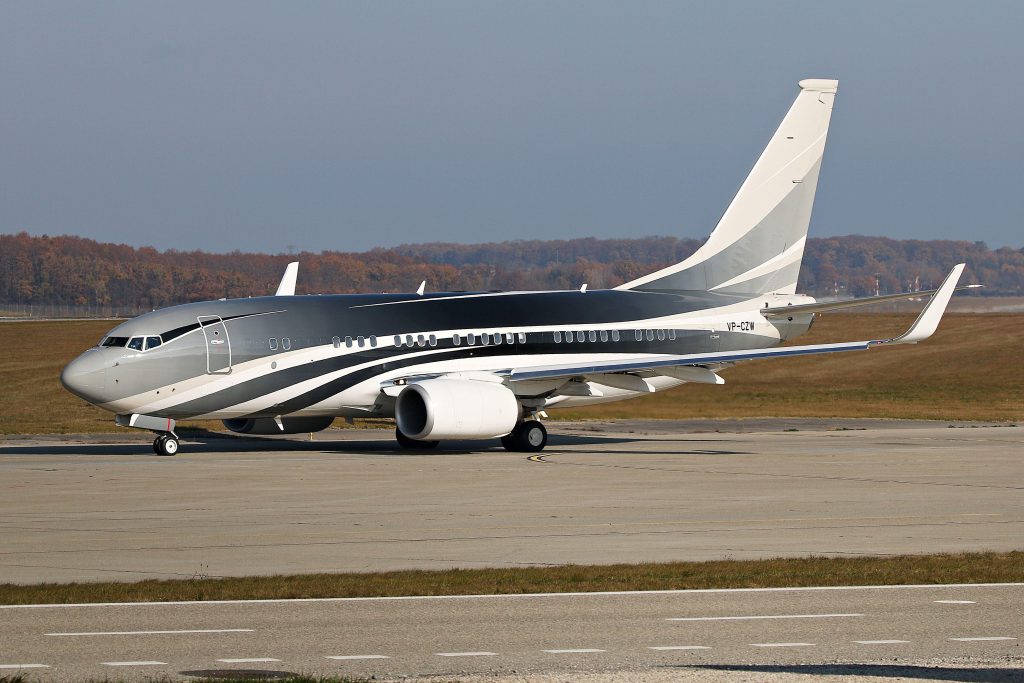
The world of luxury air travel is synonymous with elegance, speed, and innovation. As the demand for private jets continues to soar, manufacturers are constantly pushing the boundaries of technology to offer clients the ultimate flying experience. In this comparison, we delve into some of the most advanced luxury jets in the sky today, focusing on their cutting-edge technologies, design, and comfort. If you’ve ever wondered what makes these jets stand out from the rest, this is the ultimate guide to understanding the future of airborne luxury.
- 1. The Rise of High-Tech Luxury Jets
In recent years, the aviation industry has seen a revolution in both the design and technology of luxury jets. Today’s elite aircraft are not just about fast speeds or glamorous interiors; they are technological masterpieces designed to enhance passenger comfort, improve flight efficiency, and offer an unparalleled experience. From enhanced cabin features to state-of-the-art avionics and safety systems, luxury jets are more than just a mode of transport; they represent the maximum experience of air travel sophistication.
- Gulfstream G700: The Pinnacle of Innovation
Gulfstream’s G700 is a standout example of a high-tech luxury jet that redefines what it means to travel in style. It is equipped with advanced technology that ensures a smooth, fast, and safe flight while providing an interior that feels like a floating penthouse. The G700 boasts a top speed of Mach 0.925, making it one of the fastest private jets in the sky.
Technology Highlights:
Symmetry Flight Deck: Gulfstream’s cutting-edge cockpit features the Symmetry Flight Deck, a highly advanced cockpit system with touch-screen controls, providing more intuitive and efficient operations.
Gulfstream Cabin Management System (GCMS): This system allows passengers to control lighting, temperature, and entertainment from their smartphones or a dedicated touch screen.
JetConnect: Gulfstream’s proprietary technology that enables seamless, high-speed internet access, ensuring that passengers remain connected throughout the flight.
The G700’s spacious cabin features a floor-to-ceiling height of 6 feet 3 inches, ensuring that even the tallest passengers feel at home. It also offers a range of customizations, with multiple configurations that can include private suites, large living areas, and expansive windows that offer panoramic views.
- Bombardier Global 7500: The Epitome of Luxury
The Bombardier Global 7500 is a jet that combines cutting-edge technology with the utmost in luxury and comfort. Offering a range of 7,700 nautical miles, the Global 7500 is one of the longest-range jets in its class, allowing it to connect virtually any two cities in the world with ease. It offers exceptional speed, with a cruising speed of Mach 0.85, and a smooth, quiet ride that ensures passengers can travel in complete relaxation.
Technology Highlights:
Global Vision Flight Deck: Bombardier’s advanced avionics system provides pilots with superior situational awareness, enhanced safety features, and seamless integration of flight data. This system allows the crew to manage the aircraft more efficiently while maintaining an optimal flight experience for passengers.
Ka-Band Connectivity: The Global 7500 comes equipped with Ka-band satellite technology, offering high-speed internet and data transfer capabilities even at cruising altitude, ensuring passengers can remain connected for business or entertainment purposes.
Advanced Noise and Vibration Reduction: With state-of-the-art soundproofing materials, the Global 7500 offers one of the quietest cabins in its class, creating a serene environment for passengers.
Inside, the Global 7500 is designed with luxury and comfort in mind. It can accommodate up to 19 passengers and features four distinct living areas, including a full-sized bed, a spacious dining area, and an elegant lounge. The cabin is customizable, and the use of large windows ensures that every flight offers stunning views.
- Dassault Falcon 10X: The Future of Air Travel
The Dassault Falcon 10X is a next-generation luxury jet that is set to revolutionize the industry with its combination of performance and cutting-edge technology. Designed with an emphasis on efficiency and comfort, the Falcon 10X boasts a range of 7,500 nautical miles, allowing it to fly non-stop on some of the world’s longest routes.
Technology Highlights:
EASA-certified Fly-by-Wire System: The Falcon 10X features a fully integrated fly-by-wire system that allows for more precise and efficient control of the aircraft, improving both safety and passenger comfort.
Cabin Innovations: The 10X’s cabin boasts advanced air purification systems, adjustable lighting, and customizable configurations that enhance the overall passenger experience. The jet also features a lower cabin altitude to reduce fatigue on long-haul flights.
Connected Aircraft: The Falcon 10X is equipped with the latest in connectivity technology, providing passengers with high-speed internet, HD video conferencing, and real-time flight tracking.
The interior of the Falcon 10X is designed to offer a seamless blend of style and function. It features a spacious lounge area, a dining room, and a master suite with a full-sized bed. The jet also offers a large, stand-up shower and a fully equipped galley for onboard catering.
- The Emergence of Electric and Hybrid Jets
As the demand for sustainability grows, manufacturers are also beginning to explore electric and hybrid jets as a way to reduce carbon emissions and increase energy efficiency. While fully electric jets are still in the early stages of development, the introduction of hybrid-electric propulsion systems is an exciting step toward greener aviation.
Companies like Joby Aviation and Vertical Aerospace are pioneering the development of electric vertical takeoff and landing (eVTOL) aircraft, which could revolutionize urban air mobility. These aircraft are designed to carry passengers short distances, offering a quiet and environmentally friendly alternative to traditional helicopters and private jets.
Technology Highlights in Electric Jets:
Zero Emissions: Electric jets produce no emissions during flight, making them an environmentally friendly option for short-distance travel.
Reduced Operating Costs: Electric propulsion systems are more efficient and require less maintenance than traditional jet engines, reducing operating costs for owners and operators.
Vertical Takeoff and Landing: eVTOL aircraft can take off and land vertically, making them ideal for use in urban areas where space for runways is limited.
While electric jets are not yet a viable option for long-haul luxury travel, they are expected to play a significant role in the future of aviation, particularly for short-distance flights in urban areas.
- Technology’s Role in Enhancing Passenger Comfort
One of the key factors driving innovation in luxury jets is the desire to improve the passenger experience. With each new jet, manufacturers focus on incorporating technology that makes flying more comfortable and enjoyable. From advanced air filtration systems to customizable lighting and temperature control, today’s luxury jets are designed to provide a customized experience for each passenger.
Air Filtration and Cabin Pressure:
Many of the top luxury jets now include advanced air purification systems that help to reduce the spread of germs and improve air quality onboard. These systems filter the air multiple times per hour, ensuring a fresh, clean environment throughout the flight. Additionally, the cabin pressure in these jets is often set at a lower altitude than traditional commercial flights, reducing fatigue and discomfort for passengers.
Entertainment and Connectivity:
High-tech jets are equipped with state-of-the-art entertainment systems that allow passengers to enjoy movies, music, and video games on large, high-definition screens. Many jets also offer satellite internet and video conferencing, ensuring that passengers can remain connected and productive during their flights.
- Final Thoughts: The Future of High-Tech Luxury Jets
As we look ahead to the future of luxury air travel, it’s clear that technology will continue to play a major role in shaping the way we travel by air. From cutting-edge avionics and hybrid propulsion systems to advanced passenger comfort technologies, the next generation of luxury jets will offer an experience that is faster, more efficient, and more comfortable than ever before.
Whether you’re looking for the fastest jet, the most luxurious interior, or the most innovative technology, the jets we’ve explored here represent the maximum experience of what modern aviation has to offer. As technology evolves, so too will the world of luxury air travel, providing passengers with a flying experience that is truly out of this world.


