


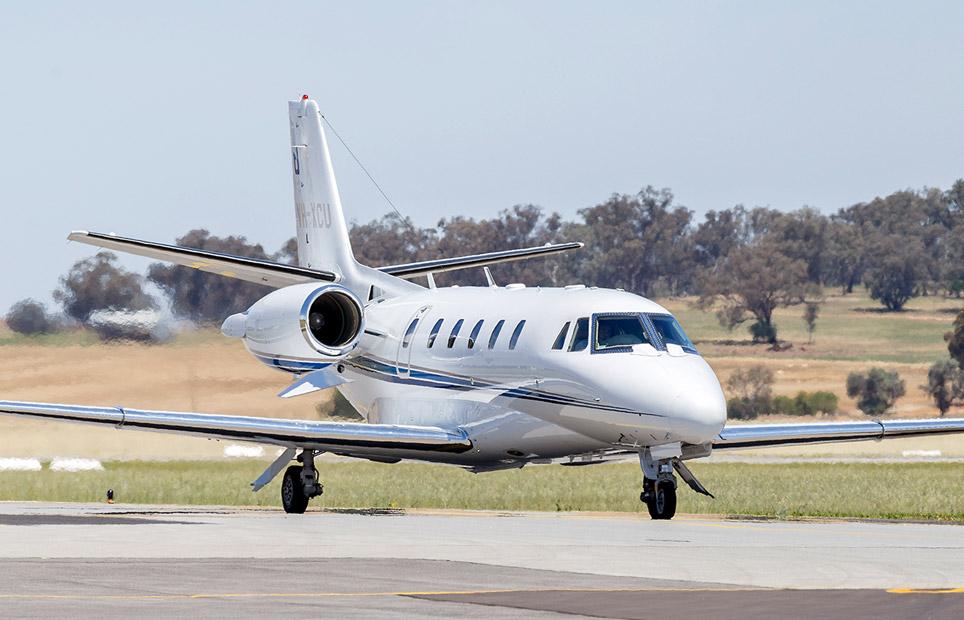
so does the need for more sustainable and energy-efficient aviation solutions. One of the most significant advancements in this field is the integration of AI-powered HVAC (Heating, Ventilation, and Air Conditioning) systems into private jets. These cutting-edge systems not only enhance the comfort of passengers but also contribute to reducing the environmental footprint of private aviation.
Understanding HVAC Systems in Private Jets
The HVAC system in a private jet plays a crucial role in maintaining a comfortable and healthy environment for passengers. It regulates the temperature, airflow, and air quality, ensuring that the cabin is conducive to relaxation, productivity, and well-being. However, traditional HVAC systems are often energy-intensive, requiring significant power to maintain optimal conditions throughout the flight. This is where AI-powered HVAC systems come into play, offering a smarter, more efficient solution.
How AI Enhances Energy Efficiency
AI-powered HVAC systems use advanced algorithms and machine learning techniques to optimize the performance of heating, cooling, and ventilation systems in real-time. By continuously monitoring various factors such as cabin temperature, humidity levels, passenger preferences, and external weather conditions, AI can make instantaneous adjustments to maintain the ideal environment while minimizing energy consumption.
One of the key features of AI-driven HVAC systems is their ability to learn from past flight data. Over time, the system becomes better at predicting the ideal settings based on the number of passengers, the time of day, and the aircraft’s flight path. For example, if the jet is flying through a particularly warm or cold region, the system will adjust accordingly to maintain the desired temperature while using the least amount of energy possible. This predictive capability ensures that the system is always working at optimal efficiency, avoiding overuse of resources and reducing the overall carbon footprint of the aircraft.
Smart Temperature Control for Maximum Comfort
One of the most significant benefits of AI-powered HVAC systems is their ability to provide personalized comfort for each passenger. Unlike traditional systems that have a one-size-fits-all approach, AI can adjust the temperature and airflow based on the individual preferences of each person on board. For instance, if one passenger prefers a cooler cabin while another enjoys a warmer environment, the AI system can create a microclimate for each seat, ensuring that everyone is comfortable without wasting energy.
Additionally, AI systems can take into account external variables such as the altitude and speed of the aircraft, adjusting the temperature and airflow to maintain comfort in real time. This ensures that the cabin remains comfortable throughout the flight, even as the aircraft moves through varying atmospheric conditions.
Efficient Air Quality Control
Air quality is another critical aspect of any HVAC system, especially in the confined space of a private jet cabin. AI-powered HVAC systems can monitor and adjust the levels of carbon dioxide (CO2), oxygen, and other airborne contaminants to ensure that the air remains fresh and healthy. By continuously analyzing air quality data, the system can automatically activate air purifiers or adjust ventilation rates to maintain optimal conditions for the passengers.
In addition to maintaining air quality, AI systems can also help to reduce allergens and other irritants in the cabin. By integrating air filtration technology with AI, these systems can detect and remove particles such as dust, pollen, and pet dander, creating a more comfortable environment for passengers who may have allergies or sensitivities.
Sustainability and Energy Efficiency
As the world becomes increasingly conscious of the need for sustainable practices, the aviation industry is under pressure to reduce its environmental impact. Private jets, in particular, are known for their high energy consumption, and HVAC systems are a significant contributor to this. However, with AI-powered HVAC systems, private jet operators can make substantial strides toward sustainability.
AI allows for dynamic optimization of energy use by adjusting the HVAC system based on real-time data. For example, if the cabin is not fully occupied, the system can adjust the temperature and airflow accordingly, avoiding unnecessary energy use. Similarly, AI can optimize the system based on the aircraft’s altitude, speed, and geographic location, reducing the need for excessive cooling or heating.
Moreover, these systems can work in conjunction with eco-friendly technologies such as electric or hybrid engines, further reducing the aircraft’s overall carbon footprint. By integrating AI into the HVAC system, private jets can operate with greater energy efficiency, making them a more sustainable mode of travel.
Cost Savings for Jet Owners
The benefits of AI-powered HVAC systems are not limited to environmental impact. These systems can also lead to cost savings for private jet owners. By reducing energy consumption and optimizing the performance of the HVAC system, owners can lower fuel costs and maintenance expenses. Additionally, the increased efficiency of the system means that it will be less prone to wear and tear, extending the lifespan of the equipment and reducing the need for costly repairs or replacements.
Furthermore, the ability of AI to continuously monitor and adjust the HVAC system means that operators can proactively identify and address any potential issues before they become major problems. This predictive maintenance capability ensures that the HVAC system remains in peak condition, avoiding costly downtime or emergency repairs.
Seamless Integration with Other Smart Jet Technologies
AI-powered HVAC systems are just one example of how artificial intelligence is transforming the private jet experience. These systems can seamlessly integrate with other smart jet technologies, such as advanced lighting, entertainment, and security systems, to create a fully connected, personalized environment for passengers.
For instance, AI can adjust the lighting and entertainment settings based on the cabin temperature and passenger preferences. If the system detects that passengers are feeling too warm or cold, it can adjust the temperature while also modifying the lighting to create a more relaxing atmosphere. Similarly, AI-powered smart windows can adjust their tint based on the temperature, further enhancing passenger comfort.
The Future of AI-Powered HVAC Systems in Private Jets
Looking ahead, AI-powered HVAC systems will continue to evolve, offering even greater levels of energy efficiency, comfort, and sustainability. As AI technology advances, these systems will become more intelligent and capable of adapting to a wider range of factors, further improving the overall passenger experience.
In the future, we may see HVAC systems that can not only optimize energy use and comfort but also integrate with biometric sensors to monitor passengers’ health and make adjustments based on factors like body temperature, stress levels, and heart rate. These systems could help ensure that passengers feel as comfortable and healthy as possible throughout their flight.
Conclusion
AI-powered HVAC systems are the future of private jet comfort and sustainability. By leveraging advanced algorithms and machine learning, these systems offer personalized, energy-efficient solutions that improve passenger comfort while reducing the environmental impact of private aviation. As technology continues to evolve, AI-powered HVAC systems will become an integral part of the modern private jet experience, creating a more sustainable, efficient, and luxurious way to travel.


