


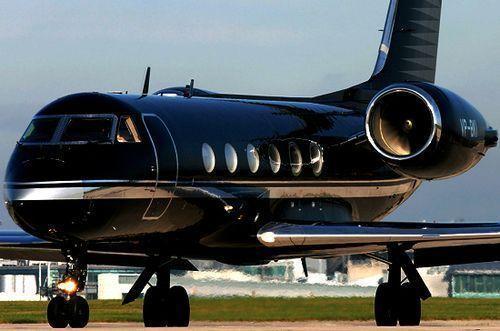
The Rise of Autonomous Technology in Aviation
Autonomous aviation is not a new concept. Over the past few decades, aircraft have gradually become more automated, with features like autopilot, GPS navigation, and automated landing systems becoming standard in both commercial and private planes. These advancements have made flying safer and more efficient. However, the prospect of fully autonomous aircraft, jets capable of flying without a pilot on board, has taken the conversation to a new level.
At the forefront of this technology is the development of artificial intelligence (AI) and machine learning (ML) systems that can manage flight controls, make real-time decisions, and respond to changing conditions, such as weather, air traffic, and emergencies. These technologies promise to deliver a new era of aviation that could make private jet travel faster, more efficient, and safer than ever before.
Benefits of Autonomous Private Jets
- Increased Safety and Reduced Human Error
Human error remains one of the most significant causes of aviation accidents. According to the National Transportation Safety Board (NTSB), around 80% of aviation accidents involve human factors. Autonomous systems have the potential to significantly reduce these errors. AI-powered jets can be programmed to follow strict safety protocols, constantly monitor flight conditions, and make adjustments when necessary, ensuring that the aircraft is always operating at peak performance.
- Cost Efficiency
Operating a private jet is costly. From pilot salaries to maintenance, the expenses add up quickly. With autonomous technology, the need for a trained pilot on board may eventually be eliminated, lowering operational costs. Additionally, AI systems can monitor and manage the aircraft’s health, potentially reducing the frequency and cost of repairs and maintenance.
- More Efficient Operations
Autonomous jets can operate with greater precision and efficiency, optimizing routes, fuel consumption, and flight time. AI can analyze vast amounts of data in real time to adjust flight paths for optimal speed and fuel efficiency, avoiding delays and reducing the environmental footprint of each flight.
- Enhanced Passenger Experience
Autonomous technology allows for personalized flight experiences customized to the passenger’s preferences. From adjusting the cabin temperature and lighting to offering customized entertainment and food options, AI systems can provide a more personalized and seamless travel experience. Moreover, without the need for human pilots, passengers can feel more relaxed, knowing that the aircraft’s systems are continually monitored for safety.
Challenges and Concerns Surrounding Autonomous Private Jets
- Reliability and Trust in Technology
One of the biggest concerns about autonomous private jets is whether passengers and aviation authorities can trust AI systems to operate safely and reliably. While technology has made significant strides, there are still questions about how autonomous systems will handle unforeseen situations, such as emergency landings, malfunctions, or unpredictable weather. Although AI is programmed to learn and adapt, it lacks the intuition, judgment, and decision-making ability that human pilots possess in high-pressure situations.
- Legal and Regulatory Challenges
Aviation is one of the most heavily regulated industries in the world. The introduction of autonomous private jets will require new regulations, certifications, and oversight mechanisms to ensure their safety. Governments and aviation bodies, such as the Federal Aviation Administration (FAA), will need to create guidelines for autonomous aircraft, including how they interact with air traffic control, handle emergencies, and operate within established airspace. The transition to fully autonomous aviation will require extensive testing and approval processes to ensure that the systems meet stringent safety standards.
- Ethical and Social Implications
The widespread adoption of autonomous private jets could have broader social and economic implications. One of the most significant concerns is the impact on jobs. If pilots are no longer needed for flight operations, it could lead to job losses within the aviation industry, including pilots, air traffic controllers, and maintenance staff. Additionally, questions about accountability will arise in the event of an accident. Who is responsible for a crash involving an autonomous jet: the manufacturer, the software developer, or the airline? These ethical and legal questions will need to be addressed as the industry evolves.
- Public Perception and Comfort
Not all passengers may feel comfortable flying in an aircraft without a human pilot on board. Many people value the reassurance of having a trained pilot at the controls, especially in the event of an emergency. Autonomous private jets will need to address concerns about safety, trust, and comfort. Public perception will play a significant role in the acceptance of autonomous aviation, and the industry will need to work hard to build confidence in the technology.
Human Pilots: The Irreplaceable Element?
Despite the rise of autonomous technology, human pilots are likely to remain a critical part of aviation for the foreseeable future. Human pilots bring a level of experience, intuition, and decision-making ability that machines simply cannot replicate. In the event of unexpected challenges, such as an equipment malfunction, sudden weather changes, or an in-flight emergency, a human pilot’s judgment and quick thinking can be the difference between life and death.
Moreover, pilots are trained to communicate with air traffic controllers, other pilots, and ground crews, a skill that is essential for ensuring smooth and safe operations in the sky. While autonomous systems can handle many aspects of flight, human pilots still play a crucial role in overseeing operations and providing backup when necessary.
A Hybrid Approach: The Future of Private Jet Aviation?
As the debate between autonomous private jets and human pilots continues, it’s likely that the future of aviation will involve a hybrid approach. Instead of fully replacing pilots, autonomous systems may be integrated into aircraft to assist human operators. This hybrid model could allow pilots to focus on more critical tasks while the AI handles routine operations and ensures safety.
For example, autonomous systems could manage the aircraft’s flight path, monitor the engines, and assist with navigation, while human pilots would be in charge of making high-level decisions and responding to emergencies. This collaboration between humans and machines would combine the best of both worlds, ensuring safety, efficiency, and reliability.
Conclusion: What’s Next for Autonomous Private Jets?
The debate between autonomous private jets and human pilots is far from over. While autonomous technology promises many benefits, including increased safety, reduced costs, and more efficient operations, it also comes with significant challenges. From reliability concerns and legal hurdles to ethical dilemmas and public perception, the journey toward fully autonomous private jets will be a complex one.
Ultimately, the future of aviation may not involve a complete shift to autonomy but rather a hybrid model that combines the precision and efficiency of AI with the expertise and judgment of human pilots. As technology continues to evolve and the aviation industry adapts, one thing is clear: the skies are about to get a lot more advanced. Whether it’s fully autonomous private jets or a partnership between humans and machines, the future of air travel is an exciting one.


