


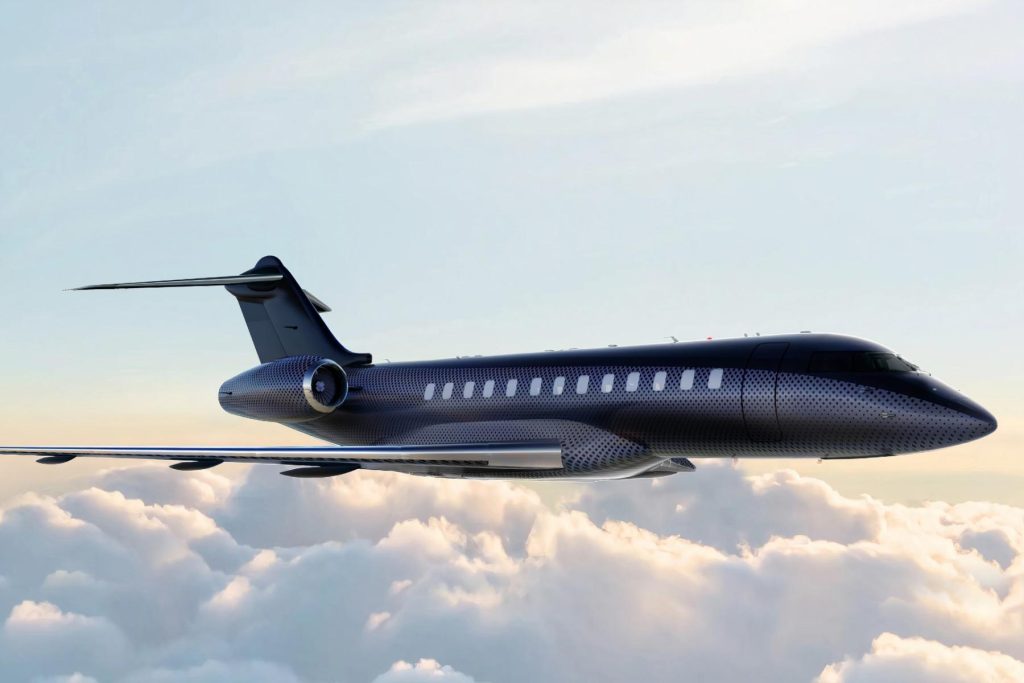
Introduction
The aviation industry has long been associated with high fuel consumption and significant carbon emissions, particularly in the private jet sector, where luxury and speed often come at an environmental cost. However, in recent years, a new wave of innovation has emerged: electric aviation. Electric jets, which promise to reduce emissions, lower operational costs, and provide quieter flights, have the potential to revolutionize private aviation.
As the world increasingly turns toward sustainable solutions, electric jets are being seen as a possible key to transforming the private aviation sector into a greener, more eco-friendly industry. But can these electric jets truly revolutionize private aviation? In this article, we will explore the technology behind electric jets, their potential benefits, challenges, and the factors that will determine whether they can become a mainstay in private aviation.
1. The Rise of Electric Aircraft
Electric aircraft are not entirely new. Concepts for electric-powered planes have been explored for decades, but advances in battery technology, electric motors, and materials science have now made it more feasible than ever. In the last few years, electric propulsion has gained significant momentum in the aviation industry, with a number of companies and startups investing heavily in electric aircraft development.
The goal of electric aviation is to replace conventional jet engines, which are typically powered by fossil fuels, with electric motors that are powered by batteries or other sustainable energy sources. Electric jets promise to offer a more environmentally friendly alternative to traditional aircraft, reducing harmful emissions, noise pollution, and operational costs.
Electric aircraft can range from small urban air mobility vehicles to larger regional and commercial planes. While electric aircraft are still in the experimental and early commercial stages, they have the potential to transform air travel, especially in private aviation, where smaller, more flexible aircraft are often used.
2. How Electric Jets Work
Electric jets rely on electric propulsion systems that are powered by electricity stored in batteries. The main components of an electric jet include an electric motor, a battery, and a lightweight airframe.
- Electric Motor: Electric jets use electric motors that convert electrical energy into mechanical energy to drive the aircraft’s propellers or fans. These motors are highly efficient and can provide significant thrust without the need for traditional fuel-burning engines. Electric motors are also much quieter than conventional jet engines, which is a key advantage for private aviation, as noise reduction is often a priority.
- Batteries: The batteries used in electric jets are designed to store electrical energy that powers the motor. These batteries are typically lithium-ion or solid-state batteries, which offer a high energy density to provide the necessary power for flight. The size and weight of the batteries are critical factors in electric jet design, as they must be able to store enough energy to power the aircraft while keeping the overall weight of the plane low.
- Lightweight Airframe: In order to maximize the efficiency of electric jets, aircraft manufacturers are designing lightweight airframes made of advanced materials such as carbon fiber composites. These materials help reduce the weight of the aircraft, allowing the electric motor to work more efficiently and extend the range of the plane.
The propulsion system in an electric jet differs significantly from traditional jet engines. Electric motors are typically more efficient, with fewer moving parts, resulting in reduced maintenance needs and lower operational costs. Additionally, electric motors can provide instant torque, which allows for smoother and more responsive flight control.
3. The Benefits of Electric Jets for Private Aviation
Electric jets offer several potential advantages over conventional private jets. Here are some of the key benefits that could make electric jets a game-changer for the private aviation industry:
- Environmental Sustainability: One of the most significant advantages of electric jets is their potential to reduce the environmental impact of air travel. Electric aircraft produce zero emissions during flight, which could dramatically reduce the carbon footprint of private aviation. This is particularly important as the aviation industry faces increasing pressure to reduce its environmental impact and meet global climate targets.
- Lower Operating Costs: Electric jets are expected to have lower operating costs compared to traditional private jets. Electric motors are simpler and more efficient than combustion engines, which can lead to reduced fuel consumption and maintenance costs. Furthermore, electricity is typically less expensive than jet fuel, which can result in significant cost savings for private jet operators and owners.
- Reduced Noise Pollution: Noise pollution is a major concern for private aviation, especially in areas with noise-sensitive communities near airports. Electric motors are much quieter than traditional jet engines, meaning electric jets could help reduce noise disturbances in airports and surrounding neighborhoods. This makes electric jets particularly attractive for urban air mobility and short regional flights.
- Faster Turnaround Times: Electric jets could potentially offer faster turnaround times between flights. Since electric motors require less maintenance and are simpler to operate than traditional jet engines, electric jets may experience less downtime, allowing for quicker turnaround times and more efficient scheduling for private jet owners and operators.
- Enhanced Passenger Experience: Electric jets are likely to offer a smoother, quieter, and more comfortable flying experience. The lack of engine noise and vibrations could create a more serene cabin environment, providing passengers with an enhanced travel experience.
4. Current Electric Jet Models and Developments
While electric jets are still in the early stages of development, several companies have already made significant progress in designing and testing electric aircraft. Some notable electric jet models and developments include:
- Eviation Alice: Eviation Aircraft’s Alice is an all-electric regional aircraft designed for short regional flights. Alice is expected to be capable of carrying nine passengers and two crew members over a range of up to 440 nautical miles. The aircraft is powered by lithium-ion batteries and features advanced electric motors, making it a pioneering project in the electric aviation space.
- Lilium Jet: The Lilium Jet is an electric vertical takeoff and landing (eVTOL) aircraft designed by Lilium, a German aviation startup. The Lilium Jet is expected to be used for urban air mobility, providing fast, quiet, and sustainable transportation within cities. The aircraft features 36 electric jet engines that enable vertical takeoff and landing, making it ideal for use in urban environments with limited space for conventional runways.
- Bye Aerospace eFlyer 2 and 4: Bye Aerospace is a company focused on developing electric aircraft for both training and commercial use. The eFlyer 2 is a two-seat electric trainer, while the eFlyer 4 is a four-seat electric aircraft designed for private and small commercial aviation. These aircraft are being developed to provide a more cost-effective and eco-friendly alternative to traditional training and private planes.
- Joby Aviation: Joby Aviation is a leader in the development of eVTOL aircraft for urban air mobility. The company’s electric air taxi, known as the Joby S4, is designed to transport passengers in urban areas using vertical takeoff and landing technology. The S4 is expected to have a range of 150 miles and could provide a more sustainable and efficient mode of transportation for short trips.
These developments represent just the beginning of the electric aviation revolution. As battery technology improves and more electric aircraft are developed, the range, performance, and efficiency of electric jets will continue to increase, bringing them closer to mainstream adoption in private aviation.
5. Challenges Facing Electric Jets in Private Aviation
Despite the promising potential of electric jets, several challenges need to be overcome before they can become a mainstream solution in private aviation. Some of the key challenges include:
- Battery Limitations: One of the biggest challenges facing electric jets is the limited energy density of current battery technology. While electric motors are efficient, the batteries required to power them are still relatively heavy and have limited capacity compared to traditional jet fuel. This limits the range of electric jets, making them more suitable for short regional flights rather than long-haul trips. Advancements in battery technology, such as solid-state batteries, are needed to increase the range and performance of electric jets.
- Charging Infrastructure: For electric jets to become widely adopted, the aviation industry will need to develop a robust charging infrastructure at airports and private aviation hubs. Charging electric aircraft is not as simple as refueling a traditional jet, and airports will need to invest in high-powered charging stations capable of quickly recharging electric jets between flights.
- Regulatory Approval: Electric jets must undergo rigorous testing and certification processes before they can be used for commercial or private flights. The aviation regulatory bodies, such as the Federal Aviation Administration (FAA) and the European Union Aviation Safety Agency (EASA), will need to establish new standards and guidelines for the certification of electric aircraft, which could take time and resources.
- Cost of Development and Production: Developing and producing electric jets is a complex and expensive process. While the operational costs of electric jets are expected to be lower than traditional jets, the upfront costs of designing, testing, and manufacturing electric aircraft are high. As a result, electric jets may initially be out of reach for many private jet owners and operators, though costs are expected to decrease as technology advances.
- Public Perception and Adoption: While electric jets offer several environmental and operational benefits, the adoption of this technology may face resistance from traditional private jet owners and operators who are accustomed to conventional aircraft. Changing public perception and convincing clients to adopt electric jets will be a significant challenge for manufacturers and operators.
6. The Future of Electric Jets in Private Aviation
Despite these challenges, the future of electric jets in private aviation looks promising. As technology continues to evolve, electric aircraft will become more capable, efficient, and affordable, making them an increasingly viable option for private jet owners and operators. The transition to electric aviation could also be accelerated by growing environmental concerns, stricter regulations on emissions, and rising fuel costs, which will create further incentives for private jet owners to switch to electric aircraft.
Electric jets are poised to revolutionize private aviation by offering a greener, quieter, and more cost-effective alternative to traditional jet engines. With continued advancements in battery technology, infrastructure development, and regulatory approval, electric jets could become a common sight in the skies, reshaping the future of private air travel.
Conclusion
Electric jets have the potential to transform private aviation by reducing emissions, lowering operating costs, and enhancing the passenger experience. However, the adoption of this technology will depend on overcoming several challenges, including battery limitations, charging infrastructure, and regulatory hurdles. As electric aircraft technology continues to improve, the dream of a greener, more sustainable private aviation industry may soon become a reality.
The question remains: can electric jets revolutionize private aviation? The answer is undoubtedly yes, but only with continued innovation, collaboration, and investment in the future of electric flight.


