


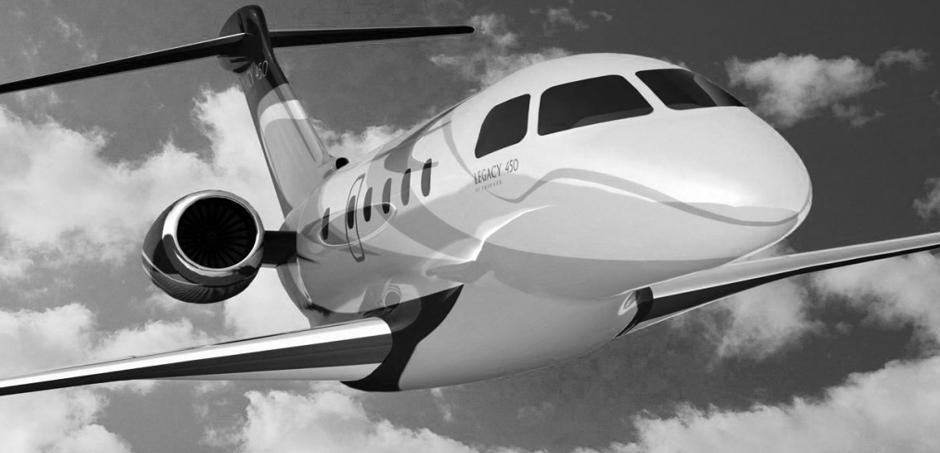
In the world of private aviation, selecting the right aircraft for a fleet is a critical decision that impacts not only operational efficiency but also customer satisfaction, profitability, and long-term sustainability. Whether you are a private jet company or an individual looking to invest in your own fleet, the process of choosing the right jets involves careful consideration of various factors ranging from aircraft types and their performance characteristics to maintenance costs and customer preferences.
In this article, we will explore the essential considerations for choosing the right private jet for your fleet, the key features to look for in different types of aircraft, and how to optimize fleet selection to meet the specific needs of your clients while ensuring financial success.
1. Understand Your Client’s Needs and Preferences
The first step in selecting the right private jet for your fleet is understanding the needs of your target customers. Private jet clients are typically high-net-worth individuals, business executives, celebrities, and government officials who expect a high level of comfort, convenience, and flexibility. To cater to this demographic, the selection of aircraft must consider several important factors:
- Passenger Capacity: The number of passengers the jet must accommodate is a key consideration. For smaller groups, light jets or very light jets (VLJs) may be sufficient, while larger groups may require a larger mid-size jet or even a long-range heavy jet.
- Flight Range: Depending on the typical routes your clients will be flying, the range of the aircraft will be a critical factor. Long-haul flights to international destinations will require jets with a longer range, such as ultra-long-range jets, while regional or domestic flights may only require aircraft with shorter flight capabilities.
- Luxury and Comfort: For high-profile clients, comfort is paramount. Jet interiors must be designed to provide luxurious amenities, including spacious seating, high-quality finishes, state-of-the-art entertainment systems, and dining facilities. Choosing aircraft with customizable interiors is a crucial part of meeting these expectations.
2. Types of Private Jets: Which One Suits Your Fleet?
The next step is determining the right type of jet for your fleet. There are various categories of private jets, each designed for different needs. Let’s explore the most common types and their ideal applications.
Light Jets
Light jets are small, efficient, and typically used for short to mid-range flights. These jets can comfortably seat up to 6 to 8 passengers and are ideal for short domestic trips or flights to nearby international destinations. Light jets offer excellent value for money due to their fuel efficiency and lower operating costs.
- Popular Models: Cessna Citation Mustang, Embraer Phenom 100, Learjet 75
- Range: Approximately 1,500 to 2,500 nautical miles
- Capacity: 4 to 8 passengers
- Best For: Small groups, regional flights, shorter routes
Midsize Jets
Midsize jets offer more room and greater range than light jets. They are capable of longer flights, making them suitable for domestic and international routes. These jets are typically equipped with more luxurious cabins and advanced amenities, including a full bathroom and a more spacious seating arrangement.
- Popular Models: Hawker 800XP, Cessna Citation XLS+, Bombardier Learjet 60XR
- Range: Approximately 2,000 to 3,000 nautical miles
- Capacity: 6 to 9 passengers
- Best For: Longer domestic flights, short international trips
Super Midsize Jets
Super midsize jets provide the perfect balance of luxury, space, and range. These aircraft are equipped with larger cabins that can seat up to 10 passengers and are capable of non-stop flights between continents. These jets offer the latest in-flight entertainment systems, plush interiors, and high-end amenities.
- Popular Models: Gulfstream G200, Bombardier Challenger 350, Embraer Legacy 500
- Range: Approximately 3,000 to 4,000 nautical miles
- Capacity: 8 to 10 passengers
- Best For: Long-distance flights, executive travel, cross-country trips
Heavy Jets
Heavy jets are designed for ultra-long-range travel and can carry large groups of passengers. These jets have spacious cabins with luxurious features and can accommodate up to 15 passengers or more. They are ideal for transcontinental and international travel, providing ultimate comfort and privacy.
- Popular Models: Gulfstream G650, Bombardier Global 6000, Dassault Falcon 7X
- Range: 4,000 to 7,000 nautical miles
- Capacity: 10 to 16 passengers
- Best For: Long international flights, large groups, high-profile clients
Ultra-Long-Range Jets
Ultra-long-range jets are the maximum experience of private aviation, designed for non-stop flights across continents. These aircraft offer maximum luxury, with spacious cabins and exceptional range. They are capable of traveling from one side of the world to the other without the need for refueling, making them ideal for global business executives and royalty.
- Popular Models: Gulfstream G700, Bombardier Global 7500, Dassault Falcon 8X
- Range: Over 7,000 nautical miles
- Capacity: 12 to 18 passengers
- Best For: Global executives, luxury travelers, intercontinental flights
3. Aircraft Ownership vs. Chartering
One of the key decisions in building a private jet fleet is whether to purchase aircraft outright or rely on chartered services. Both options have advantages, depending on your business model and target market.
- Owning Aircraft: Owning aircraft gives you complete control over the fleet and the ability to ensure the quality of the jets. However, ownership comes with significant upfront costs, ongoing maintenance, and operational expenses. This is a viable option for companies with a steady demand for private flights and the financial capacity to invest in their own fleet.
- Chartering Aircraft: Chartering aircraft allows private jet companies to offer a broader range of aircraft without the overhead costs of ownership. Chartering is a flexible and cost-effective solution, especially for companies that experience fluctuating demand or wish to offer a wider variety of jets to clients.
4. Cost Considerations in Jet Selection
While luxury and performance are crucial, cost management plays a pivotal role in selecting the right private jet for your fleet. Understanding both the initial purchase cost and ongoing operating expenses is essential to ensure that the aircraft fits into your financial model.
- Purchase Price: The price of a private jet varies greatly depending on the type and size of the aircraft. Light jets may cost between $3 million to $8 million, while ultra-long-range jets can cost upwards of $70 million.
- Operating Costs: Operating costs include fuel, maintenance, crew salaries, insurance, and hangar fees. These costs can add up significantly, so it’s important to choose jets that align with your business model’s expected usage.
- Depreciation: Like any asset, jets depreciate over time. While some models retain value better than others, understanding the depreciation schedule is crucial for long-term financial planning.
5. Maintenance and Longevity of Aircraft
Selecting an aircraft that offers reliability and low maintenance is key to managing a profitable fleet. Older models may be cheaper upfront, but they often come with higher maintenance costs. Newer aircraft may offer better fuel efficiency and fewer maintenance issues, but they come with a higher initial cost.
- Maintenance Schedule: Every private jet has a recommended maintenance schedule that ensures the aircraft stays in optimal condition. Be sure to account for regular inspections, part replacements, and overhauls.
- Longevity: The expected lifespan of a jet varies, but modern aircraft are designed to last for several decades with proper care. Choosing jets with robust durability ensures that your fleet remains operational for a longer period, maximizing your return on investment.
6. Safety Standards and Certifications
Safety is paramount when choosing jets for a fleet. All private jets must meet the safety standards set by regulatory agencies like the FAA and EASA. Additionally, private jet companies must ensure that their aircraft undergo routine safety inspections and are compliant with all aviation regulations. Ensure that the jets in your fleet are equipped with the latest safety features, including advanced avionics, emergency systems, and autopilot capabilities.
7. Environmental Impact and Sustainability
As environmental concerns grow, many private jet companies are turning to sustainable aviation practices. This includes investing in fuel-efficient aircraft, exploring the use of sustainable aviation fuel (SAF), and reducing the carbon footprint of flight operations.
- Fuel Efficiency: Newer jet models are designed to be more fuel-efficient, which not only helps reduce costs but also makes the operation more environmentally friendly.
- Sustainable Aviation Fuel (SAF): SAF is an alternative to traditional jet fuel and can significantly reduce carbon emissions. Many private jet companies are exploring this option to align with sustainability goals.
Conclusion
Choosing the right private jet for your fleet is a decision that requires careful consideration of factors such as passenger capacity, flight range, operational costs, and client needs. Whether you’re looking to invest in light jets for regional flights or ultra-long-range jets for international travel, understanding the strengths and weaknesses of each aircraft type is crucial to making an informed decision.
By evaluating aircraft options based on their range, comfort, maintenance costs, and overall performance, you can build a fleet that meets your operational needs and delights your clients. With the right jets, your private jet company can ensure a seamless, luxurious flying experience for clients while optimizing your fleet management for long-term success.


