


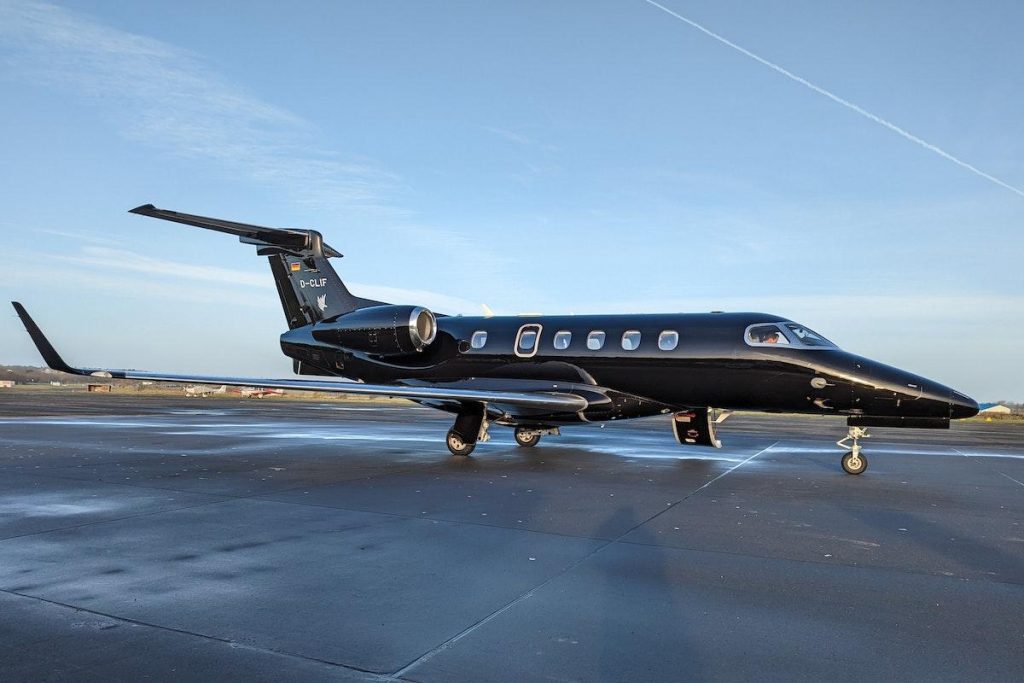
In an increasingly globalized economy, private jet ownership and leasing are no longer confined to a specific region or country. Whether you’re a business executive, a high-net-worth individual, or a company that requires frequent international travel, navigating the complexities of private jet tax efficiency across various jurisdictions is crucial. With diverse tax regulations governing aircraft ownership, operation, and leasing, it is essential to craft a strategy that maximizes tax efficiency while ensuring full legal compliance.
This article delves into creative legal approaches that can significantly enhance private jet tax efficiency in a global market. By understanding how to leverage the legal tools and policies available across borders, owners and lessees can minimize tax exposure and optimize their aviation investments, ensuring a more cost-effective experience in the air.
1. The Global Landscape of Private Jet Taxation
The tax landscape for private jets is multifaceted and varies dramatically across jurisdictions. Different countries have their own rules regarding sales tax, use tax, excise tax, and even depreciation schedules. This variability presents both challenges and opportunities for optimizing the tax efficiency of private jet ownership and operation.
a) Federal vs. State/Local Tax Considerations
In countries like the United States, private jet owners must navigate both federal and state/local tax laws. While the IRS imposes broad regulations on private jets—particularly with regard to depreciation, excise taxes, and business-use deductions—individual states often have their own rules governing aircraft purchases, leasing, and registration.
The key tax considerations at the federal level in the U.S. are:
- Federal Excise Tax (FET): Private jets used for charter flights or commercial purposes are subject to a federal excise tax. However, if a jet is used exclusively for personal or business purposes (excluding charter services), owners may avoid this tax.
- Depreciation: Aircraft owners can typically depreciate the value of the jet over a 5-year period. Additionally, the Tax Cuts and Jobs Act (TCJA) provided an opportunity to take 100% bonus depreciation for aircraft placed in service after 2017, allowing for substantial upfront deductions.
States like Florida, Texas, and California have specific rules for sales tax, with some offering exemptions for aircraft used for business purposes. Thus, tax efficiency in a global market begins by understanding how different jurisdictions handle private jet ownership.
b) International Considerations
For owners and operators of private jets who travel or register aircraft internationally, global tax issues come into play. Each country has its own tax code, and these differences can have significant implications for how an aircraft is taxed in terms of use tax, sales tax, and registration fees.
For example, European Union countries, such as France and Italy, impose value-added tax (VAT) on private jet transactions, but the VAT rules vary by country. In the UAE, there are no VAT taxes on the purchase or leasing of aircraft, making it an attractive jurisdiction for aircraft registration.
c) Double Taxation and Tax Treaties
One of the most complex aspects of international jet ownership is dealing with double taxation. Many countries impose taxes on aircraft that are used for international travel, leading to the potential for double taxation on ownership and operation.
Fortunately, many countries have entered into tax treaties that aim to eliminate or reduce the impact of double taxation. For example, the U.S. has agreements with several countries to avoid double taxation on aviation-related income. When structuring aircraft ownership and operations, understanding and leveraging these treaties can provide valuable relief.
2. Creative Legal Approaches for Maximizing Tax Efficiency
With a clear understanding of the global tax landscape, it’s important to explore creative legal approaches that can help maximize tax efficiency for private jet owners, lessees, and businesses.
a) Utilizing Aircraft Leasing Structures
One of the most powerful tools for maximizing tax efficiency is to use an aircraft leasing structure. By leasing a private jet to a business or through an entity, jet owners can unlock a range of tax benefits. Here’s how:
- LLC Structures: A common strategy involves creating a Limited Liability Company (LLC) to own the aircraft, which then leases the aircraft to the owner or a related business entity. This structure helps shield personal assets from potential liabilities and may offer more favorable tax treatment for depreciation, operating expenses, and lease payments.
- Cost Deductions: The LLC can deduct its business-use expenses, including maintenance, insurance, fuel, and pilot salaries. The entity can also deduct the lease payment from the lessee’s taxes, reducing the overall tax burden for the business while making the jet more affordable.
- International Leasing: In cases where the jet is primarily used for international travel, setting up an international leasing arrangement can also offer substantial tax savings. By leasing the aircraft through a jurisdiction with favorable tax rules—such as the Bahamas or Cayman Islands—owners can reduce certain tax obligations related to aircraft income.
b) Optimizing Depreciation and Bonus Depreciation
Tax efficiency in the global market is significantly enhanced when aircraft owners take full advantage of depreciation strategies. In the U.S., the TCJA provided a huge boost to depreciation allowances by enabling 100% bonus depreciation for aircraft placed in service after September 27, 2017. This allows owners to depreciate the full cost of the aircraft in the year it’s acquired, providing immediate tax relief.
Owners should also consider:
- Section 179 Expensing: In addition to bonus depreciation, owners can use Section 179 to expense the full cost of qualifying aircraft. However, there are limits on how much can be expensed based on the business’s overall income.
- Cost Segregation Studies: For large aircraft or aircraft that are subject to significant improvements or modifications, conducting a cost segregation study can help accelerate depreciation by identifying the specific components of the aircraft that may qualify for shorter depreciation periods.
These depreciation strategies can be particularly effective when combined with a solid tax plan that ensures the jet is primarily used for business purposes—whether that’s through a corporate ownership structure or leasing arrangements.
c) Leveraging Tax Incentives for Environmentally-Friendly Aircraft
As the aviation industry transitions toward greener and more sustainable technologies, tax incentives for eco-friendly aircraft are gaining traction. Countries around the world are starting to offer green aviation tax credits and subsidies for businesses and individuals who invest in sustainable aviation fuel (SAF) or electric aircraft.
In the U.S., for example, the Inflation Reduction Act of 2022 introduced incentives for businesses that utilize sustainable aviation fuel, providing a potential tax credit for reducing the carbon footprint of private jets.
For owners of green aircraft or those seeking to upgrade their jets to meet environmental standards, this presents an opportunity to benefit from both tax credits and reduced operational costs due to fuel savings.
d) Cross-Border Tax Planning and Structuring
Cross-border tax planning is critical for businesses and individuals who operate private jets internationally. Structuring ownership in jurisdictions with favorable tax treatment—like the Cayman Islands, Monaco, or Singapore—can minimize VAT, sales taxes, and property taxes on the aircraft.
Here’s how:
- Establish a Foreign Entity: Setting up a foreign corporation or trust to own the aircraft can help optimize tax treatment. This structure ensures that the aircraft is subject to the tax rules of the jurisdiction where the company or trust is based.
- Incorporate International Tax Treaties: Many jurisdictions have entered into tax treaties to prevent double taxation of income. By structuring ownership and operation through jurisdictions that have such treaties with your home country, you can minimize the tax liabilities on income generated by the aircraft.
- Navigating Sales Tax Exemptions: Some countries and regions offer sales tax exemptions for aircraft used for specific purposes—such as international business travel. Leveraging these exemptions can lead to significant tax savings on purchases, leases, and operational costs.
e) Tax Efficient Aircraft Registration
The location of your aircraft’s registration can have significant tax implications. Certain jurisdictions offer tax advantages for aircraft registered within their borders, often exempting the aircraft from property taxes or sales taxes that would apply in other regions.
For example, the Isle of Man is a popular jurisdiction for aircraft registration due to its favorable tax policies and efficient registration process. By registering the jet in such a jurisdiction, owners may benefit from reduced taxes on their aircraft, as well as streamlined international operations.
3. Conclusion
Navigating private jet tax efficiency in the global market requires a strategic, well-planned approach. By leveraging creative legal structures, optimizing depreciation, utilizing environmental incentives, and strategically choosing the right jurisdictions for aircraft registration and leasing, owners and lessees can minimize their tax liabilities and maximize the benefits of private aviation.
As the global tax landscape continues to evolve, staying informed and working with aviation tax experts is crucial to maintaining compliance while ensuring that your investment remains financially efficient. Whether you’re acquiring a jet for personal use or business purposes, these creative legal approaches provide the tools to enhance tax efficiency and unlock the full potential of your aviation assets.


