


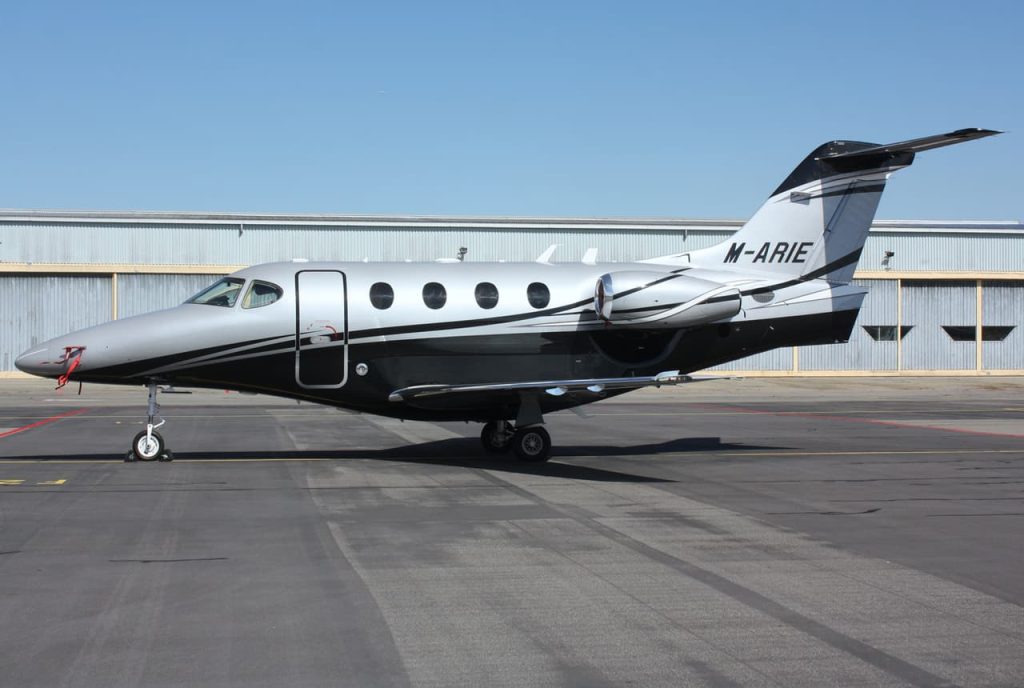
Owning a private jet is not only a luxury but also a complex financial commitment. It brings with it a unique set of challenges, particularly when it comes to tax liabilities. From depreciation to operating expenses, the tax landscape surrounding private jet ownership requires careful consideration and creative legal strategies. To manage private jet tax liabilities effectively, owners must explore a range of techniques that can reduce their taxable income, protect their assets, and optimize the long-term financial benefits of owning a jet.
For high-net-worth individuals and corporate owners, structuring their private jet ownership in a tax-efficient way is crucial. In this detailed blueprint, we will delve into the most effective and creative legal techniques that can be used to manage private jet tax liabilities. These strategies are designed to help owners navigate the complexities of tax law, ensure they remain compliant, and maximize their financial returns.
The Importance of Tax Planning in Private Jet Ownership
The financial commitment of owning a private jet is not just the upfront cost of the aircraft; it also includes ongoing operational expenses, maintenance, insurance, and crew salaries. With such significant expenses, the tax implications can quickly become overwhelming if not carefully managed. Effective tax planning helps owners understand how to structure their ownership to maximize deductions, reduce liabilities, and benefit from various incentives and credits.
Managing private jet tax liabilities isn’t just about minimizing taxes. It’s about ensuring that ownership is structured in a way that maximizes the jet’s value while minimizing financial risks. By utilizing the right strategies, private jet owners can reduce their overall tax exposure and gain significant financial advantages.
- Choosing the Right Ownership Structure: A Crucial First Step
The first and most crucial step in managing private jet tax liabilities is determining the correct ownership structure. The structure will influence how the jet is taxed, how it depreciates, and what expenses are deductible. There are several ownership options, each with its own tax implications, and selecting the right one can significantly impact an owner’s tax efficiency.
- Individual Ownership
For many private jet owners, individual ownership is the simplest and most straightforward option. Under this structure, the jet is owned outright by an individual, and the owner bears the responsibility for all taxes associated with it, including sales tax, property tax, and income tax. One of the main benefits of individual ownership is the ability to depreciate the jet on a personal tax return.
However, while individual ownership offers simplicity, it also carries certain risks, particularly in terms of liability protection. If the jet is involved in an accident or faces a legal claim, the individual owner’s personal assets could be at risk. Furthermore, the tax treatment of operational costs, such as maintenance and insurance, may be more limited under individual ownership.
- Corporate Ownership
For owners who intend to use the jet primarily for business purposes, a corporate ownership structure can be an advantageous choice. By registering the jet as a corporate asset, owners can treat many of the expenses related to its operation, such as fuel, crew salaries, and maintenance, as business expenses. This can provide a significant tax deduction for the corporation, reducing overall taxable income.
Moreover, owning the jet through a corporation offers liability protection, separating the jet’s assets from the personal assets of the business owner. This can be particularly beneficial for those with significant assets or for business owners who need to shield their wealth from potential legal claims.
- Special Purpose Vehicles (SPVs)
A Special Purpose Vehicle (SPV) is a legal entity created specifically for the ownership and operation of the jet. This structure offers many benefits, particularly for high-net-worth individuals or corporations looking to separate their aviation assets from their other assets. An SPV can help isolate the jet’s financial risks, making it easier to manage its liabilities and optimize its tax treatment.
One of the main advantages of using an SPV is the ability to take advantage of depreciation for tax purposes. The jet can be depreciated over time, reducing the taxable income of the SPV. Additionally, using an SPV can offer estate planning advantages, especially for family-owned assets, allowing for the smooth transfer of the jet to future generations without incurring large estate taxes.
- Maximizing Depreciation Benefits
Depreciation is one of the most significant tax advantages available to private jet owners. The Internal Revenue Service (IRS) allows owners to depreciate the cost of an aircraft over a set number of years, typically five years for jets used in business operations. This means that owners can write off a portion of the jet’s value each year, reducing their taxable income and ultimately lowering their overall tax liability.
- Accelerated Depreciation (Bonus Depreciation)
In some cases, owners may be able to take advantage of accelerated depreciation, allowing them to write off a larger portion of the jet’s value in the early years of ownership. Under the Tax Cuts and Jobs Act (TCJA), owners of private jets can qualify for 100% bonus depreciation in the first year of ownership. This allows owners to depreciate the entire cost of the jet upfront, providing immediate tax relief.
This accelerated depreciation benefit is particularly valuable for high-net-worth individuals and business owners who want to offset the cost of the jet and reduce their tax liabilities as quickly as possible. However, it’s important to note that bonus depreciation is only available if the jet is used more than 50% for business purposes. If the jet is primarily used for personal travel, owners may not qualify for this benefit.
- Tax Deductions for Operating Expenses
Private jet owners are also eligible to deduct many of the operational costs associated with their jets. These deductions can include:
Fuel costs
Maintenance and repair expenses
Insurance premiums
Crew salaries
Hangar fees
Landing fees
Flight training
By properly allocating expenses between personal and business use, owners can maximize their deductions. For example, if the jet is used for business travel, the costs associated with that travel can be deducted from taxable income. Owners must keep careful records of the jet’s usage to ensure that only the appropriate business-related expenses are deducted.
- Tax Credits and Incentives for Environmental Sustainability
As environmental concerns continue to grow, many governments are offering tax credits and incentives for private jet owners who adopt sustainable aviation practices. One of the most significant opportunities for tax savings comes from using sustainable aviation fuel (SAF). SAF is a renewable fuel that produces fewer carbon emissions compared to traditional jet fuel, and governments are incentivizing its use with tax credits and grants.
Additionally, private jet owners who participate in carbon offset programs may be eligible for tax credits. These programs invest in projects that reduce or offset carbon emissions, such as reforestation efforts or renewable energy initiatives. By participating in these programs, private jet owners can reduce their overall carbon footprint and receive financial incentives that can offset some of their tax liabilities.
- International Tax Considerations for Global Jet Owners
For international jet owners, navigating the complexities of cross-border tax laws is a critical aspect of tax planning. Different countries have varying tax rates, incentives, and regulations concerning aircraft ownership, and understanding these differences is essential to optimizing tax efficiency.
- Value-Added Tax (VAT) and Sales Tax
In many countries, purchasing a private jet can be subject to Value-Added Tax (VAT) or sales tax, which can be a significant upfront cost. Some countries offer exemptions or reduced VAT rates for jets used in business operations or those owned by foreign entities. Understanding these tax rules and structuring ownership accordingly can lead to substantial savings.
- Income Tax Treaties and Aircraft Leasing
For jet owners with multiple residences or business operations in different countries, income tax treaties can provide relief from double taxation. By leasing the jet to a foreign subsidiary or operating it through a cross-border Special Purpose Vehicle (SPV), owners can potentially reduce their tax liabilities and ensure compliance with international tax laws.
- Estate Planning and Succession Strategies
For high-net-worth individuals, one of the most important aspects of private jet ownership is estate planning. Structuring the jet ownership in a way that allows it to be transferred smoothly to heirs is critical for minimizing estate taxes and ensuring that the jet remains a family asset.
Using tools such as family trusts or charitable remainder trusts can help preserve the jet for future generations while reducing estate taxes. By incorporating these tools into a broader wealth management strategy, owners can ensure that their jet is passed down without incurring significant financial burdens.
Conclusion: A Comprehensive Approach to Managing Private Jet Tax Liabilities
Managing private jet tax liabilities requires a multifaceted approach that involves choosing the right ownership structure, maximizing depreciation, utilizing tax incentives, and ensuring compliance with both domestic and international tax laws. With the right strategies, private jet owners can significantly reduce their tax burden, enhance their wealth preservation efforts, and ensure that their jet remains a valuable asset for years to come.
By embracing creative legal techniques, future jet owners can manage their tax liabilities effectively and take advantage of all the financial benefits that private jet ownership has to offer.


