


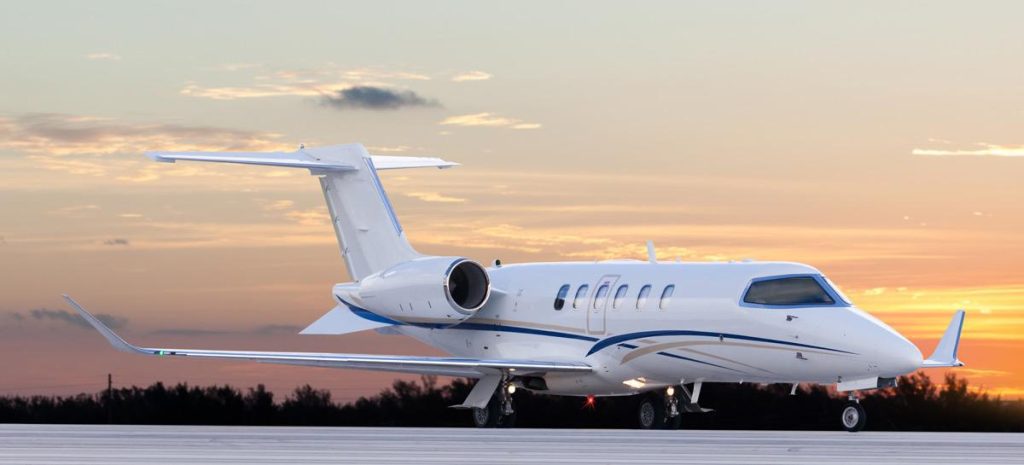
Purchasing a private jet is a major decision that requires careful consideration, expert knowledge, and a creative approach to ensure you secure the best deal while meeting your unique travel and investment needs. Whether you’re an entrepreneur looking for flexibility, a business magnate seeking efficiency, or someone who simply enjoys the luxury of private air travel, buying a private jet is a sophisticated process that demands thoughtful planning and attention to detail. In this detailed guide, we’ll walk you through creative steps to master the private jet buying process, from understanding your requirements to finalizing the deal with confidence.
1. Define Your Travel Needs and Budget: A Personalized Approach
The first creative step in buying a private jet is understanding your exact needs. Many buyers fail to consider all factors that could influence their decision, ultimately leading to a jet that doesn’t quite meet their expectations or doesn’t offer the best value. The following considerations will help you define your travel needs:
- Purpose of the Jet:
Do you plan to use the jet primarily for business, personal, or a combination of both? If business is your primary use, you may require larger jets with meeting space, connectivity, and more luxurious amenities. For personal use, you might prioritize comfort and style for your trips. - Passenger Capacity:
A key factor to consider is how many people you’ll typically be flying with. Smaller jets are ideal for 4-6 passengers, while mid-size jets can accommodate 7-9 passengers, and heavy jets comfortably seat 10-14 passengers. Be realistic about your usual travel party to avoid overpaying for unnecessary space. - Range and Distance:
Determine the average distances you’ll be flying. If you frequently travel internationally, you’ll need a jet with long-range capabilities, such as an ultra-long-range jet. If your flights are mostly regional, a super mid-size jet may suffice. - Budget Considerations:
The budget you set will directly impact your options. Private jets can range from a few million dollars for pre-owned models to over $60 million for brand-new, state-of-the-art jets. Be sure to account for not just the purchase price but also the ongoing operating costs such as maintenance, crew salaries, hangar fees, and fuel.
By thoughtfully defining your needs, you will narrow down your choices and avoid unnecessary costs while selecting a jet that meets your expectations.
2. Research the Private Jet Market: Stay Ahead of the Curve
Once you’ve established your requirements, the next creative step is researching the market. The private jet market can be complex, with a variety of options and fluctuating prices based on demand, jet availability, and economic conditions. Understanding the market will allow you to make informed decisions:
- New vs. Pre-Owned Jets:
While new jets offer the latest technology and a warranty, pre-owned jets provide significant savings. However, you must balance this benefit with the potential for additional maintenance costs. Pre-owned jets are often available at a fraction of the price but ensure they’re properly inspected by professionals to avoid unforeseen expenses. - Popular Models and Demand Trends:
Some aircraft models retain their value better than others, and they are consistently in demand. Popular models from manufacturers like Gulfstream, Bombardier, and Dassault tend to be easier to sell later, as they have a strong market demand. Research which models suit your needs, and learn about their market performance, including resale value and availability. - Market Conditions and Pricing Trends:
Jet prices can fluctuate based on the state of the economy, supply and demand, and seasonal changes. Typically, jet prices are more competitive in a buyer’s market. Keep an eye on broader market trends to find the ideal time to make your purchase.
Being well-informed about the market will help you negotiate effectively and make a smart financial decision.
3. Consult with a Private Jet Broker: Leverage Expertise
Engaging the services of an experienced private jet broker is one of the most creative steps you can take to ease the process. These professionals are experts in the private aviation industry and can offer substantial advantages throughout the buying process:
- Access to Off-Market Listings:
Brokers have access to a network of off-market jets, which may not be listed on public databases or marketplaces. This gives you the advantage of viewing jets that others may not even know about, increasing the likelihood of finding a perfect match. - Industry Expertise:
With years of experience, a private jet broker can guide you through the complexities of the market. They help assess jet values, advise on which models best fit your needs, and leverage their knowledge to get the best deal. - Negotiation Power:
Brokers are adept negotiators and can help you secure favorable terms for both the purchase price and additional perks (like extended warranties or upgrades). They are your ally in the negotiation process, ensuring that you don’t overpay for the aircraft or overlook important details. - Time and Effort Savings:
Searching for jets, arranging viewings, inspecting aircraft, and negotiating deals can be incredibly time-consuming. A broker handles these tasks, allowing you to focus on your business or personal life while they manage the legwork for you.
By collaborating with a private jet broker, you can significantly streamline the purchasing process and access exclusive deals.
4. Consider Alternative Ownership Models: Fractional Ownership and Jet Cards
If you’re hesitant about committing to full ownership, or if you don’t need a jet year-round, exploring alternative options like fractional ownership or jet card memberships can provide a creative and cost-effective solution:
- Fractional Ownership:
This option allows you to own a share in a private jet, giving you access to a specified number of flight hours per year. Fractional ownership can reduce the costs associated with owning a jet outright while still providing the luxury of private air travel. - Jet Cards:
A jet card is a prepaid program that gives you access to a fleet of aircraft for a set number of hours. This option allows for flexible travel without the responsibility of ownership. Jet cards are ideal for those who don’t need regular jet access but want to maintain the flexibility of flying on demand.
These alternative ownership models offer cost savings, flexibility, and convenience, making them great choices for those who want private jet access without the full financial commitment.
5. Evaluate the Total Cost of Ownership: Beyond the Purchase Price
A creative approach to buying a private jet goes beyond the initial purchase price. It’s essential to evaluate the total cost of ownership to understand the ongoing expenses that come with owning a jet:
- Operating Costs:
The operating cost per flight hour for a small jet ranges from $1,500 to $2,500, while larger jets can exceed $4,000 per hour. Operating costs include fuel, maintenance, crew salaries, and airport fees. - Maintenance and Inspections:
Routine maintenance is essential for keeping the jet in top condition and ensuring its longevity. Pre-owned jets may require more frequent maintenance, so it’s important to factor this into your budget. Consider entering a maintenance program to reduce the risk of unexpected expenses. - Storage and Hangar Fees:
Storing a jet at an airport can be expensive, and hangar fees vary depending on the location. Be sure to account for these fees, which may increase if you’re based at a high-demand airport. - Insurance:
Insurance for private jets is another significant cost. The premium will depend on the size and model of the aircraft, as well as its usage. Work with an insurance broker specializing in private aviation to get the best coverage for your needs. - Depreciation:
While jets don’t typically depreciate as quickly as cars, they do lose value over time. A well-maintained jet from a popular brand retains its value better than others. Be mindful of depreciation, as this affects both the resale value and ongoing maintenance costs.
By understanding and budgeting for these ongoing costs, you can better manage your financial commitment and avoid surprises down the line.
6. Inspect the Aircraft Thoroughly: Don’t Skip Due Diligence
Regardless of whether you’re purchasing a new or pre-owned jet, thorough due diligence is critical. A professional inspection will ensure that you’re making a wise investment and that the jet is in good condition. Here are key things to inspect:
- Structural Integrity:
Inspect the airframe for any signs of wear, corrosion, or previous damage. Jets that have been in accidents may require significant repairs, so it’s essential to verify the aircraft’s history. - Engine Health:
Engines are the most critical part of the jet, and replacement can be costly. Ensure that the engines are in good condition, with appropriate maintenance records and any necessary certifications. - Interior and Amenities:
Inspect the interior of the jet to ensure that it meets your comfort and aesthetic standards. Many jets are customized with luxurious seating, bedding, and entertainment systems. Verify the condition of these amenities before finalizing the deal.
By conducting a thorough inspection, you can avoid purchasing a jet that could lead to costly repairs or dissatisfaction with its features.
7. Finalize the Purchase: Negotiating Terms and Securing Financing
Once you’ve identified the perfect jet, it’s time to negotiate the final purchase terms. This step requires finesse and a strategic approach:
- Price Negotiation:
Don’t accept the asking price without exploring options to lower it. Whether you’re buying a new or pre-owned jet, there’s often room for negotiation on price or additional perks, such as an upgraded interior or extended warranty. - Financing Options:
If you’re not paying in full, work with a financial institution that specializes in aviation financing to secure favorable loan terms. Rates and terms vary, so compare different options to ensure you’re getting the best deal. - Finalizing the Paperwork:
Ensure that all contracts are reviewed by a legal expert specializing in aviation law. The purchase agreement should outline all aspects of the sale, including payment terms, delivery, and warranties.
conclusion
Mastering the private jet buying process requires careful planning, research, and creative strategies to ensure you get the best deal for your needs. From understanding your personal requirements to conducting thorough inspections and managing long-term ownership costs, each step in the process plays a vital role in making a successful purchase. By following these creative steps, leveraging expert advice, and considering alternative ownership options, you can confidently navigate the complex world of private jet buying and make an informed decision that will serve you for years to come.


