


Introduction:
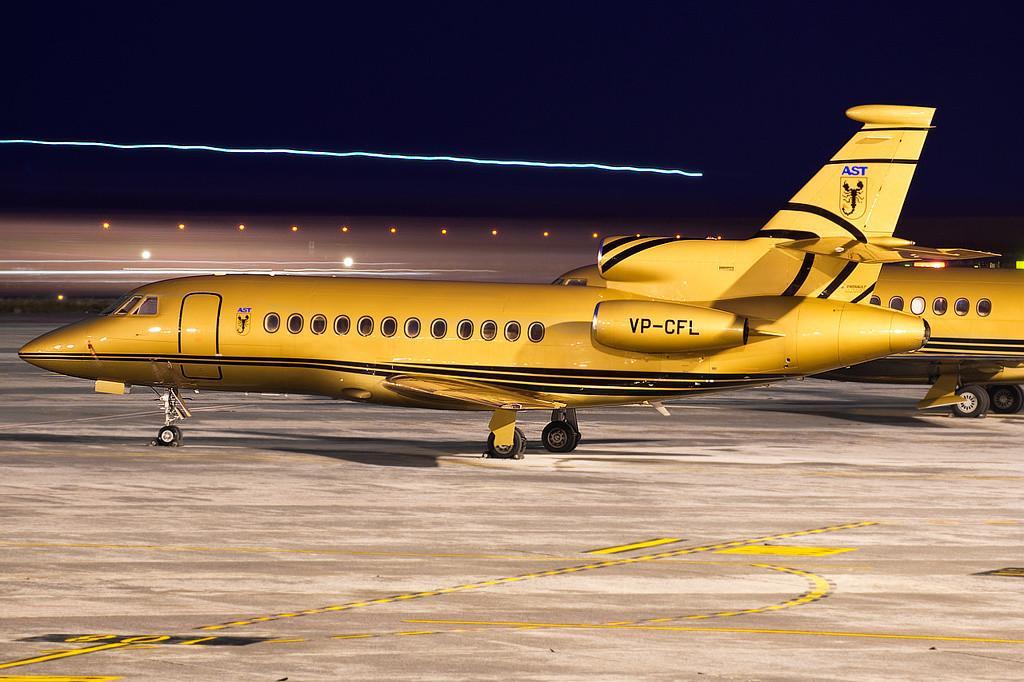
In the world of luxury, few symbols are as synonymous with wealth and success as private jets. For decades, private aviation has represented the maximum experience of exclusivity, comfort, and prestige. As the private jet industry continues to grow, it has become a coveted symbol of status for the world’s elite. But why has private jet travel evolved from a practical mode of transportation to an iconic status symbol? This article delves into the cultural, social, and economic forces that have fueled the rise of private jets as a luxurious and highly popular representation of success, influence, and power.
The History of Private Jets as a Luxury Commodity
To understand how private jets became a status symbol, it’s important to consider their history. The concept of private aviation began to take shape in the early 20th century, but it wasn’t until the 1960s and 1970s that private jets became more accessible to the wealthy. With the development of supersonic jets like the Concorde and the introduction of more luxurious private aircraft like the Learjet, the idea of flying privately became synonymous with exclusivity and wealth.
In the decades that followed, private jet manufacturers like Gulfstream, Bombardier, and Dassault Falcon created increasingly luxurious and high-performance aircraft that catered to the ultra-wealthy. These jets were not only seen as tools for faster and more efficient travel, but also as symbols of prestige, with their sleek designs, advanced technology, and top-tier amenities. For the rich and famous, owning or chartering a private jet became an essential part of their brand identity.
Social and Cultural Significance of Private Jets
The rise of private jets as a status symbol is deeply intertwined with social and cultural perceptions of wealth and success. In many circles, the ability to afford private jet travel is seen as the ultimate expression of financial achievement. It goes beyond merely having money; it signifies a lifestyle marked by luxury, comfort, and control.
Private jets represent freedom and power, allowing their owners to transcend the limits of commercial air travel. With a private jet, there are no layovers, no security lines, and no delays, just smooth, direct access to any destination. This level of convenience and autonomy is a hallmark of high-status living, and it offers a tangible reminder of the control and influence that comes with great wealth.
Moreover, private jets are often used for socializing in exclusive circles. Celebrities, business magnates, and high-net-worth individuals frequently use private aviation as a way to network, celebrate, and solidify their standing among their peers. The image of a private jet is one that often evokes admiration and awe, making it a powerful tool for building social capital in elite communities.
Psychological Appeal: Why Do We Associate Private Jets with Success?
Psychologically, the allure of private jets is tied to several deeply ingrained human desires: status, exclusivity, and power. From an early age, people are taught that the more exclusive an experience is, the more desirable it becomes. Private jets are among the most exclusive forms of travel available, making them highly coveted by those who are looking to project an image of success.
The sense of exclusivity is amplified by the fact that private jets are not just a means of transportation; they are highly personalized, custom-designed spaces that cater to the unique preferences of their owners. This level of customization, whether it’s a plush leather seat, a full-service bar, or a personal chef on board, adds an emotional dimension to the experience. A private jet isn’t just a way to travel; it is a space where one’s personal identity can be fully realized, reflecting an image of wealth and refined taste.
At a deeper level, private jets are also symbols of freedom. The ability to travel anywhere in the world, without constraints, represents a level of autonomy that most people can only dream of. The ultimate freedom to go wherever you want, whenever you want, speaks to a sense of control and dominance over one’s life and surroundings a feeling that resonates deeply with many of the ultra-wealthy.
Private Jets as a Marketing Tool: Branding and Influence
For the ultra-wealthy, private jets are not just symbols of personal success, they are also powerful marketing tools. In today’s world, brand identity is everything, and the ability to showcase one’s wealth and success is a strategic move. Celebrities, CEOs, and entrepreneurs often use private jets as a way to promote their brand, whether it’s through social media, exclusive events, or strategic partnerships.
The visual power of private jets cannot be underestimated. The sight of a sleek Gulfstream or a luxurious Boeing Business Jet is instantly recognizable and commands respect. Influencers and entrepreneurs are increasingly leveraging the power of private aviation to convey an image of success, attracting potential clients, investors, and collaborators who aspire to the same level of wealth and influence.
Private jets are often used for high-profile events, from charity galas to business meetings, enhancing the reputation of those who fly in them. For example, a private jet chartered for a special event or a business trip helps to reinforce the luxury lifestyle associated with high-net-worth individuals, allowing them to control the narrative surrounding their personal or professional brand.
The Economics of Private Jet Ownership: More Than Just a Luxury
While private jets are undoubtedly a symbol of wealth and luxury, they also serve as an important financial tool for many high-net-worth individuals and businesses. Private aviation is an investment it provides its owners with flexibility, efficiency, and the ability to navigate their personal and professional worlds in a way that commercial airlines simply cannot match.
For business owners and executives, a private jet can become a cost-effective solution to streamline their travel and increase productivity. The ability to fly directly to meetings, avoid delays, and maintain a tight schedule can be a huge advantage in highly competitive industries. Moreover, the rising trend of fractional ownership and private jet memberships has made private aviation more accessible to those who may not have the resources to purchase an entire aircraft outright.
Despite the costs involved in purchasing, maintaining, and operating a private jet, many see these expenses as a small price to pay for the prestige and convenience that comes with owning one. For some, the social and professional benefits far outweigh the financial burden, making private jets an essential part of their success story.
Sustainability and the Future of Private Jet Travel as a Status Symbol
As concerns about climate change and sustainability continue to rise, the private jet industry is facing increasing scrutiny over its environmental impact. The perception of private jets as a status symbol is being challenged by the growing demand for more sustainable travel options. Many high-net-worth individuals are now seeking eco-friendly alternatives that allow them to maintain their luxurious lifestyles without sacrificing their commitment to environmental responsibility.
In response, private jet manufacturers are beginning to explore more sustainable options, such as electric aircraft, sustainable aviation fuels, and improved fuel efficiency. For the elite, flying sustainably may soon become another way to display their forward-thinking mindset while continuing to enjoy the status associated with private aviation.
Conclusion: The Enduring Appeal of Private Jets as a Status Symbol
Despite the ongoing discussions about sustainability, the allure of private jets as a symbol of success, exclusivity, and freedom is unlikely to fade anytime soon. For those who can afford it, flying privately will continue to represent the ultimate expression of wealth and status. Private jets are more than just machines, they are emotional and social symbols that reflect the ideals of a luxury lifestyle, complete with the ability to control one’s destiny and achieve the highest levels of personal and professional success.
Whether it’s the psychological appeal of autonomy and freedom, the brand-building power of private aviation, or the financial benefits it offers, private jets will remain a dominant force in the world of luxury and success. As the private aviation industry continues to evolve, so too will the ways in which these aircraft are used to signal status, influence, and power.


