


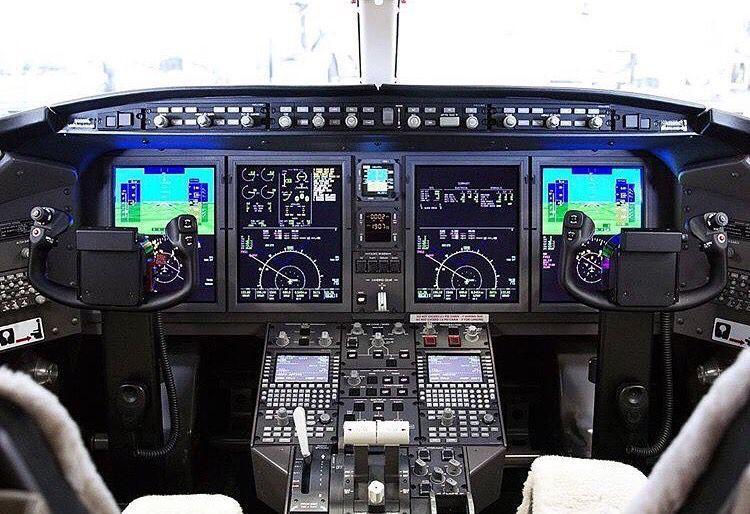
As the world grapples with the growing environmental crisis, the aviation industry, one of the most significant contributors to carbon emissions, is under increasing pressure to innovate and adopt more sustainable practices. Solar-powered jets have emerged as a groundbreaking solution, offering a vision of a future where aviation can be both efficient and environmentally friendly. This transformative technology promises to reduce emissions, cut operating costs, and revolutionize the way we travel.
Solar-powered aviation is not a mere concept; it is becoming an increasingly viable reality. From the development of experimental solar planes to the potential for commercial solar-powered jets, the aviation industry is on the cusp of a revolution. In this article, we will explore the science behind solar-powered jets, their benefits, current advancements, challenges, and the potential future impact of solar aviation.
The Basics of Solar-Powered Aviation
Before diving into the future of solar-powered jets, it’s essential to understand the underlying principles behind this technology. Solar-powered aircraft rely on solar panels to convert sunlight into electricity, which is then used to power the aircraft’s systems and propulsion. In its most basic form, solar aviation involves three key components: solar panels, energy storage systems, and efficient aircraft design.
- Solar Panels: These are the primary source of energy for solar-powered jets. Solar panels, typically made from photovoltaic (PV) cells, absorb sunlight and convert it into electrical energy. The size and efficiency of these panels are critical in determining how much energy they can produce.
- Energy Storage Systems: Given that solar panels cannot generate electricity in the absence of sunlight, energy storage systems, such as batteries, are essential to store excess energy produced during the day for use during nighttime flights or cloudy weather.
- Aircraft Design: The design of a solar-powered jet is also crucial. These jets need to be lightweight and aerodynamically efficient to maximize the potential of solar energy. Streamlined designs with minimal drag are essential to reduce the energy needed for flight.
The combination of these technologies enables solar-powered jets to harness the power of the sun, turning it into a sustainable source of energy for flight.
The History of Solar-Powered Aircraft
The development of solar-powered aircraft dates back several decades. The idea of using solar energy for flight has fascinated aviation pioneers since the early 20th century. However, it wasn’t until the late 20th and early 21st centuries that significant breakthroughs were made in the design and practicality of solar-powered aircraft.
One of the most notable milestones in solar-powered aviation was the successful flight of the Solar Impulse 2, a solar-powered aircraft that circumnavigated the globe in 2015-2016. The Solar Impulse 2, developed by Swiss pioneers Bertrand Piccard and André Borschberg, demonstrated the viability of solar-powered flight for long distances. The aircraft, equipped with over 17,000 solar cells, flew across continents and oceans, proving that solar energy could be harnessed for consistent, long-duration flight.
Following the success of Solar Impulse 2, other innovators have begun to explore the potential for solar-powered aviation, with various small aircraft and experimental projects focusing on using solar energy to power flight.
Advantages of Solar-Powered Jets
The potential benefits of solar-powered jets are profound, both for the aviation industry and the environment. Here are some of the key advantages:
- Reduced Environmental Impact: Solar-powered jets generate little to no carbon emissions, making them a major step forward in reducing the environmental footprint of aviation. The aviation industry is responsible for a significant portion of global carbon emissions, and solar-powered jets could play a pivotal role in reducing this impact.
- Lower Operating Costs: Solar energy is free, unlike fossil fuels, which are subject to price fluctuations and are a significant operating cost for traditional jets. Solar-powered jets could substantially reduce fuel costs, making flying more affordable in the long term.
- Energy Independence: Solar-powered aviation offers the potential for energy independence, reducing reliance on imported fossil fuels and making air travel more sustainable. By harnessing the power of the sun, aviation could break free from the constraints of traditional energy sources.
- Enhanced Efficiency: Solar energy is a highly efficient form of energy, especially when paired with advanced storage and energy management systems. Solar-powered jets can optimize energy use, ensuring that every bit of energy is put to the most effective use.
As more manufacturers and innovators work on solar aviation, the combination of these benefits has the potential to transform not just the aviation industry, but the world as a whole.
Current Advancements in Solar-Powered Jets
Solar-powered aviation has come a long way since its inception, with numerous advancements pushing the technology closer to mainstream adoption. Several companies and research institutions are currently working on developing solar-powered aircraft, and the results are promising.
- SunFlyer 2 by Bye Aerospace: The SunFlyer 2 is a small, solar-powered aircraft designed for training purposes. This two-seat plane is equipped with solar panels on its wings, which allow it to stay aloft for extended periods using solar energy. It has the potential to revolutionize flight training by offering a more sustainable, cost-effective alternative to traditional aircraft.
- SolarStratos by SolarStratos: SolarStratos is a solar-powered aircraft designed for high-altitude, long-duration flights. The aircraft is intended to reach the stratosphere and demonstrate the potential of solar energy at extreme altitudes. SolarStratos aims to prove that solar-powered aviation can go beyond the boundaries of commercial flight, reaching new heights in both technology and altitude.
- Lilium Jet: While not fully solar-powered, the Lilium Jet is a major step forward in the electric aviation industry. The jet uses electric propulsion and is designed to be quiet and environmentally friendly. By combining electric propulsion with solar power, aircraft like the Lilium Jet could eventually pave the way for fully solar-powered regional and commercial flights.
These projects, along with others in development, are leading the charge toward a future where solar-powered jets are a common sight in the skies. However, there are still significant challenges that must be overcome before solar-powered jets can be scaled for widespread use.
Challenges Facing Solar-Powered Jets
Despite the tremendous promise of solar-powered aviation, several challenges must be addressed before these aircraft can become a mainstream solution in the aviation industry:
- Energy Density: One of the biggest challenges is the energy density of solar panels. While solar energy is abundant, the amount of power that can be generated from solar panels is still relatively low compared to conventional jet fuel. Current solar panels may not provide enough energy to power large commercial jets, although smaller aircraft and regional flights are more feasible at this stage.
- Storage Capacity: Solar-powered jets rely on energy storage systems to store excess energy generated during the day for use at night or during cloudy weather. The current battery technology is not yet advanced enough to store sufficient energy for long-haul flights, which limits the practicality of solar-powered jets for extended trips.
- Weather Dependency: Solar-powered jets are heavily reliant on sunny weather to generate the energy needed for flight. Cloudy conditions or nighttime flights present a challenge for solar aviation, requiring advanced battery systems and energy management solutions.
- Aircraft Design: Solar-powered jets need to be lightweight and aerodynamically efficient to make the most of limited energy resources. This requires significant innovation in aircraft materials and design to minimize weight while maintaining structural integrity and safety.
Despite these challenges, the advancements in solar-powered aviation are progressing rapidly, and solutions to these problems are expected to emerge in the coming years.
The Future of Solar-Powered Jets: A Glimpse Into Tomorrow
The future of solar-powered jets holds immense potential. As technology continues to improve, it is likely that we will see more widespread adoption of solar-powered aircraft for smaller, regional flights and even some commercial air travel. In the next few decades, the following possibilities could become reality:
- Commercial Solar-Powered Jets: While still in its infancy, solar-powered aviation has the potential to move beyond small aircraft and regional flights. With advances in solar panel efficiency, battery technology, and aircraft design, it is conceivable that we could one day see large commercial jets powered by solar energy.
- Sustainability in Air Travel: Solar-powered jets could significantly reduce the aviation industry’s carbon footprint, helping to combat climate change and create a more sustainable future for air travel. By combining solar power with other green technologies, such as electric propulsion and hydrogen fuel cells, solar aviation could revolutionize the entire aviation sector.
- Widespread Adoption of Solar Aviation Technology: As solar panels and energy storage systems improve, solar technology could be integrated into existing aircraft, reducing fuel consumption and emissions. The widespread adoption of solar-powered technology could make flying greener and more affordable for travelers worldwide.
Conclusion: The Bright Future of Solar-Powered Aviation
Solar-powered jets represent a bold and exciting step forward in the quest for sustainable aviation. While challenges remain, the technological advancements in solar panels, energy storage, and aircraft design are bringing us closer to a future where solar-powered flight is a reality. The potential benefits of solar aviation, from reduced emissions and lower operating costs to a more sustainable and energy-independent future, make it a compelling solution for the aviation industry.
As we look toward the future, solar-powered jets are poised to change the way we fly, creating a cleaner, greener, and more efficient form of air travel that could shape the skies for generations to come.


