


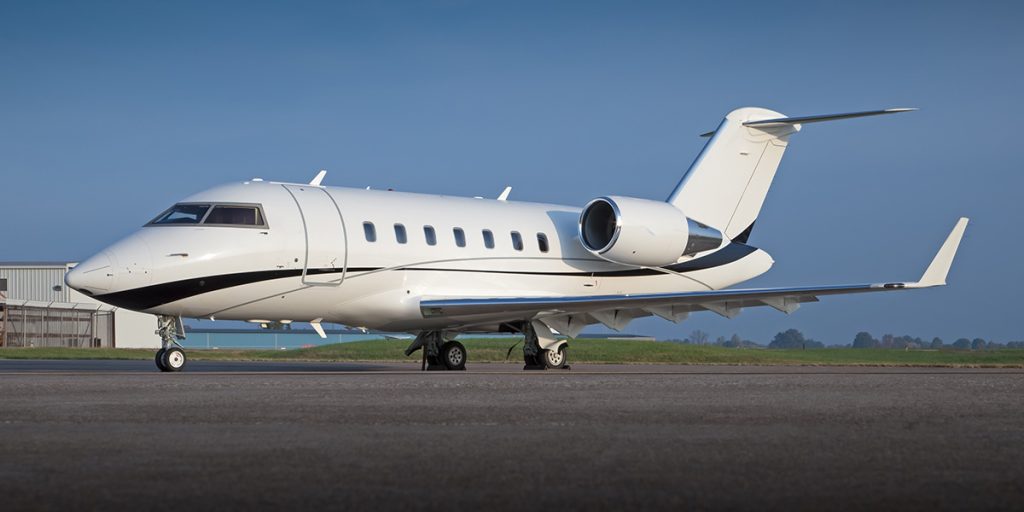
Buying a pre-owned private jet can be an incredible way to enter the world of private aviation without paying the full price of a brand-new aircraft. However, the financing process for a used or pre-owned jet is more complex than a typical vehicle or home loan. It involves evaluating the aircraft’s condition, market value, depreciation, maintenance history, and the buyer’s financial strength.
In this complete guide, we’ll explore the key considerations, best practices, and expert insights to help you secure the best possible financing terms for your pre-owned private jet in 2025.
1. Understanding Pre-Owned Private Jet Financing
Just like new aircraft financing, pre-owned private jet financing allows you to spread the purchase cost over several years rather than paying the entire amount upfront. The loan structure can be similar to commercial loans, but the lender typically performs deeper due diligence.
Financing a used aircraft involves analyzing:
-
The age of the aircraft (usually less than 15 years for most lenders).
-
The aircraft model and manufacturer reputation.
-
Maintenance and logbook records.
-
Usage history (corporate use vs. charter).
-
The borrower’s financial profile, credit history, and liquidity.
2. Why Choose a Pre-Owned Jet Over a New One?
Buying a pre-owned private jet has significant financial advantages. A brand-new aircraft can lose up to 10–20% of its value in the first year alone. In contrast, a used jet has already gone through that initial depreciation phase, making it a smarter investment for many buyers.
Benefits of Buying Pre-Owned:
-
Lower upfront cost: Often 30–50% cheaper than new models.
-
Faster delivery: No waiting for manufacturing or customization.
-
More negotiation power: The pre-owned market offers flexibility in price.
-
Proven reliability: Maintenance records and flight hours show real-world performance.
However, to finance a pre-owned aircraft effectively, you must understand loan-to-value ratios, inspection requirements, and depreciation risks, which we’ll cover next.
3. How Aircraft Appraisal Affects Financing Terms
Before approving a loan, lenders typically require a comprehensive aircraft appraisal by a certified aviation valuation expert. The appraisal determines the fair market value (FMV), influencing how much the bank is willing to finance.
Factors that Influence Appraisal Value:
-
Aircraft make, model, and production year
-
Total flight hours (TT) and engine cycles
-
Airframe and engine condition
-
Recent upgrades (avionics, interiors, etc.)
-
Maintenance program enrollment (e.g., JSSI, MSP, or CAMP)
Tip: A well-documented maintenance program can improve financing terms and reduce interest rates because it lowers the perceived risk for lenders.
4. Key Loan Structures for Pre-Owned Jet Financing
There are several financing options available depending on your needs and financial strategy.
A. Traditional Loan (Ownership Financing)
-
You own the aircraft outright.
-
Monthly payments include principal and interest.
-
Fixed or variable rates are available.
B. Lease Financing
-
Ideal for businesses seeking tax advantages.
-
The lender retains ownership; you pay for usage.
-
Can be structured as an operating lease or finance lease.
C. Asset-Based Financing
-
Focuses more on the value of the aircraft than your personal credit.
-
Good for high-net-worth individuals with complex asset portfolios.
D. Fractional Ownership Financing
-
You buy a share of a jet rather than the entire aircraft.
-
Lower initial cost and simplified maintenance responsibilities.
Best Practice: Always work with aviation-specialized lenders, traditional banks often lack the industry knowledge to accurately value pre-owned jets or understand depreciation curves.
5. Typical Loan Terms and Interest Rates (2025 Update)
In 2025, private jet financing interest rates typically range between 6% and 9%, depending on the borrower’s credit profile, the age of the jet, and the down payment.
-
Loan-to-Value (LTV) Ratio: Usually 70–85% of the appraised value
-
Loan Term: 5 to 10 years on average
-
Down Payment: Around 15–25%
-
Collateral: The aircraft itself serves as the main collateral
Pro Tip: Lenders prefer jets younger than 15 years old. Older aircraft may still qualify but often come with shorter terms and higher interest rates.
6. Essential Documents for Pre-Owned Jet Financing
When applying for aircraft financing, prepare a comprehensive documentation package to speed up approval.
You’ll Need:
-
Financial statements and proof of liquidity
-
Aircraft purchase agreement
-
Pre-buy inspection report
-
Maintenance and logbook records
-
Title search and registration documents
-
Insurance details
A clean maintenance record and transparent ownership history can significantly increase lender confidence.
7. The Importance of a Pre-Buy Inspection
Never skip a pre-buy inspection, it’s one of the most crucial steps before financing a pre-owned jet. This inspection ensures that the aircraft’s actual condition matches its stated value and prevents unpleasant surprises after the purchase.
Inspection Checklist:
-
Engine and APU performance checks
-
Airframe integrity examination
-
Avionics functionality test
-
Cabin interior condition
-
Compliance with airworthiness directives (ADs)
Lenders often require the inspection to be completed at an approved MRO (Maintenance, Repair, and Overhaul) facility before final loan disbursement.
8. Tax and Legal Considerations
Buying and financing a pre-owned private jet comes with potential tax benefits, especially for business use.
-
Depreciation Deductions: Business owners may qualify for accelerated depreciation under U.S. tax law (e.g., Section 179).
-
Sales and Use Tax: Varies by state or country; consult an aviation tax expert.
-
Registration and Ownership Structure: Many buyers use trusts or LLCs for privacy and liability protection.
Best Practice: Always work with an aviation attorney who understands FAA, EASA, or local regulations to avoid compliance issues.
9. Refinancing a Pre-Owned Jet
If you already own a used aircraft, refinancing can help reduce monthly payments, unlock equity, or extend loan terms. This is particularly useful when market conditions shift or when interest rates decrease.
When to Refinance:
-
Interest rates drop significantly
-
Your credit profile improves
-
You’ve made major upgrades to the aircraft
-
You want to free up liquidity for other investments
Compare multiple lenders, and don’t hesitate to negotiate ,competition can lower your overall cost.
10. Expert Tips for Securing the Best Financing Deal
-
Work with aviation lenders, not general banks. They understand aircraft depreciation and maintenance cycles.
-
Negotiate interest rates and closing fees. Even a 0.5% reduction can save thousands annually.
-
Keep liquidity reserves. Lenders prefer borrowers who maintain 12–24 months of operating expenses in cash or near-cash assets.
-
Ensure insurance compliance. Many lenders require specific coverage levels for hull and liability insurance.
-
Maintain transparency. Provide all requested documentation promptly to speed up loan approval.
11. The Role of Aircraft Brokers and Financing Advisors
A qualified aircraft broker or aviation finance consultant can save you significant time and money. They can:
-
Connect you with trusted lenders.
-
Arrange independent appraisals.
-
Review maintenance records.
-
Handle negotiations and closing procedures.
Although they charge a fee or commission, their expertise often leads to better loan terms and smoother transactions.
Conclusion
Financing a pre-owned private jet can be a strategic and cost-effective path to aircraft ownership, if done right. Understanding appraisal values, maintenance programs, inspection requirements, and loan terms can help you secure optimal financing while protecting your investment.
With the right guidance, documentation, and financial strategy, you can confidently navigate the world of aviation financing and enjoy the benefits of private flight ownership, without unnecessary financial turbulence.


