


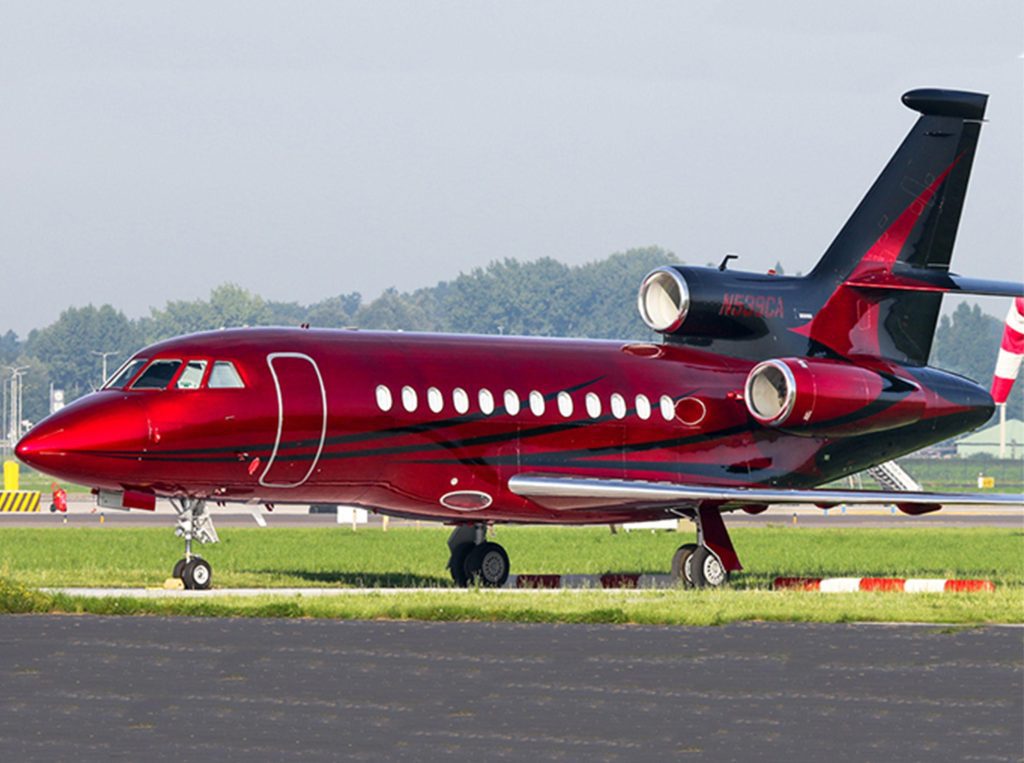
The aviation industry is known for its innovation and luxury, but in recent years, it has faced challenges when it comes to ownership and accessibility. Traditional private jet ownership has always been limited to a wealthy few, with a host of complexities around buying, managing, and maintaining these high-end aircraft. However, with the rise of blockchain technology, a major shift is on the horizon. Blockchain is revolutionizing various sectors, and its impact on private jet ownership is nothing short of groundbreaking. In this article, we will explore how blockchain will change the future of private jet ownership, providing greater efficiency, transparency, and accessibility.
What is Blockchain Technology?
Before diving into the specifics of how blockchain will influence private jet ownership, it’s essential to understand what blockchain technology is. At its core, blockchain is a decentralized digital ledger that records transactions across a network of computers in a secure and transparent manner. Unlike traditional databases that are stored on a central server, blockchain operates on a peer-to-peer network, making it tamper-proof and resistant to fraud. This technology is best known for supporting cryptocurrencies like Bitcoin, but its potential applications extend far beyond digital currencies.
In essence, blockchain ensures that every transaction is verifiable, immutable, and transparent, making it an ideal solution for industries that require trust and security. This quality of blockchain is exactly what makes it an attractive tool for the aviation industry, where complex transactions and ownership records often lack transparency and are prone to errors.
The Challenges of Traditional Private Jet Ownership
Owning a private jet has long been a symbol of status, luxury, and convenience. However, the traditional model of private jet ownership comes with a set of challenges:
- High Initial Costs: Purchasing a private jet requires a significant upfront investment, with prices for a new jet often exceeding tens of millions of dollars. This makes private jet ownership exclusive to the ultra-wealthy.
- Maintenance and Operating Costs: Beyond the initial purchase, owners are responsible for ongoing costs such as maintenance, insurance, storage, and fuel. These costs can add up quickly, sometimes exceeding $1 million per year, making it financially burdensome for many potential buyers.
- Lack of Transparency: Traditional ownership records for private jets are often fragmented, with multiple parties involved in maintenance, leasing, and management. This lack of transparency can make it difficult to track the true history of the aircraft.
- Limited Access: Even if an individual can afford to own a private jet, managing it and accessing it when needed can be a logistical nightmare. Coordinating schedules, pilots, and maintenance can limit the convenience that comes with owning a jet.
These challenges make it clear that there is a need for a more efficient, transparent, and accessible way to own and manage private jets. This is where blockchain technology comes into play.
How Blockchain Will Revolutionize Private Jet Ownership
Blockchain’s potential to streamline operations, increase transparency, and reduce costs makes it the perfect solution for revolutionizing private jet ownership. Here’s a breakdown of the key ways blockchain will transform the industry:
- Fractional Ownership through Blockchain
One of the most exciting ways blockchain is changing private jet ownership is through fractional ownership. This model allows multiple individuals or companies to purchase a share in a private jet, which can drastically reduce the costs associated with owning and operating an aircraft. Traditionally, fractional ownership has been managed by third-party companies that handle the logistics and maintenance, but the process is often opaque, expensive, and inefficient.
Blockchain simplifies and decentralizes this process. By creating a digital token representing ownership shares in an aircraft, blockchain allows for a more flexible and transparent system. Each token holder can access a clear record of the jet’s usage, maintenance history, and ownership status. Blockchain ensures that these records are secure, transparent, and cannot be altered, offering peace of mind to owners and making fractional ownership more appealing.
- Streamlining Transactions and Reducing Costs
Blockchain can also streamline the purchasing process itself. Traditionally, buying a private jet involves extensive paperwork, legal contracts, and third-party intermediaries, all of which add time and cost to the transaction. By using smart contracts on a blockchain platform, these steps can be automated and executed instantly, ensuring that all parties involved fulfill their obligations before the transaction is completed.
Smart contracts are self-executing agreements where the terms of the contract are written directly into code. This eliminates the need for intermediaries such as brokers, notaries, and legal teams, thereby reducing the associated costs. Additionally, because blockchain provides a transparent and immutable record of transactions, buyers and sellers can be confident that the deal is legitimate and secure.
- Enhanced Transparency and Trust
One of the biggest challenges in private jet ownership is ensuring that all transactions, maintenance activities, and ownership records are transparent and trustworthy. Blockchain technology can solve this problem by providing a permanent, tamper-proof record of every aspect of the aircraft’s life cycle.
Each time a jet undergoes maintenance, is used for a flight, or is transferred to a new owner, that information is logged on the blockchain. This creates a verifiable history that can be accessed by any authorized party, ensuring that all parties involved in the ownership or management of the jet have access to accurate and up-to-date information. This transparency helps reduce fraud and enhances trust between buyers, sellers, and service providers.
- Simplified Aircraft Management
Managing a private jet involves coordinating many moving parts, including scheduling flights, hiring pilots, maintaining the aircraft, and ensuring compliance with aviation regulations. Blockchain can simplify these tasks by creating a digital, real-time record of all activities related to the jet.
Using blockchain-powered smart contracts, owners can automate scheduling, maintenance tracking, and even pilot hiring. For example, a smart contract could automatically schedule a maintenance check when the jet reaches a certain number of flight hours, or ensure that a certified pilot is booked for a flight. This automation not only saves time but also ensures that the aircraft remains in top condition and complies with all relevant regulations.
- Tokenization of Assets
Another key benefit of blockchain in private jet ownership is the ability to tokenize the jet itself. Tokenization involves creating a digital token that represents ownership of a physical asset, in this case, the private jet. These tokens can be bought, sold, or traded on a blockchain platform, allowing owners to liquidate their assets quickly and easily if they choose to sell their share or the entire jet.
Tokenization also makes it easier to transfer ownership of a jet. Instead of going through the traditional process of paperwork and legal formalities, a transfer of ownership can be completed instantly by transferring the corresponding tokens. This opens up new possibilities for the private jet market, making it more dynamic and accessible.
- Improved Efficiency in Maintenance and Compliance
Private jets are subject to strict regulations and regular maintenance schedules to ensure their safety and compliance with aviation standards. Blockchain can play a critical role in ensuring that maintenance records are accurate and up-to-date. By recording all maintenance activities on the blockchain, owners and service providers can ensure that the aircraft is always in compliance with industry regulations.
Moreover, blockchain enables automated auditing of maintenance records, ensuring that no falsified information is recorded. This reduces the chances of errors, fraud, or missed maintenance, making the ownership experience more reliable and hassle-free.
- Fractional Leasing and Access to Private Jets
Blockchain’s impact on private jet ownership isn’t limited to buying and selling. It can also enable new models of access to private jets, such as fractional leasing. Instead of owning an entire jet or even a share of one, individuals could lease fractional time on private jets via blockchain platforms. This allows users to pay only for the time they use, reducing the financial burden of ownership while still enjoying the luxury and convenience of private jet travel.
Blockchain facilitates fractional leasing by ensuring that all parties involved, whether they are leasing or using the jet, have clear and verifiable agreements. With smart contracts, users can be confident that the terms of the lease will be executed automatically, without the need for middlemen.
The Future of Blockchain in Private Jet Ownership
As blockchain technology continues to evolve, its potential to transform the private jet industry will only grow. The benefits of fractional ownership, smart contracts, and asset tokenization are already being explored by innovators in the aviation sector, and it’s only a matter of time before these solutions become mainstream.
For individuals looking to invest in private jets, blockchain offers a more flexible, secure, and cost-effective way to do so. Whether through fractional ownership, tokenization, or blockchain-powered maintenance management, the future of private jet ownership is bound to be more efficient, transparent, and accessible.
As more companies and individuals begin to adopt blockchain solutions in the aviation industry, we can expect a significant shift in how private jets are bought, sold, and managed. The barriers to entry for owning a private jet will continue to decrease, making this luxury more accessible to a broader audience, and blockchain will be at the forefront of this transformation.
Conclusion
Blockchain technology is poised to revolutionize the private jet ownership experience, offering significant advantages in terms of transparency, efficiency, cost reduction, and accessibility. Through innovations like fractional ownership, smart contracts, and tokenization, blockchain will make it easier for individuals and businesses to own and operate private jets in a way that was once reserved for the ultra-wealthy. As blockchain continues to develop, it will reshape the future of aviation, making private jet ownership more streamlined, secure, and transparent than ever before.


