


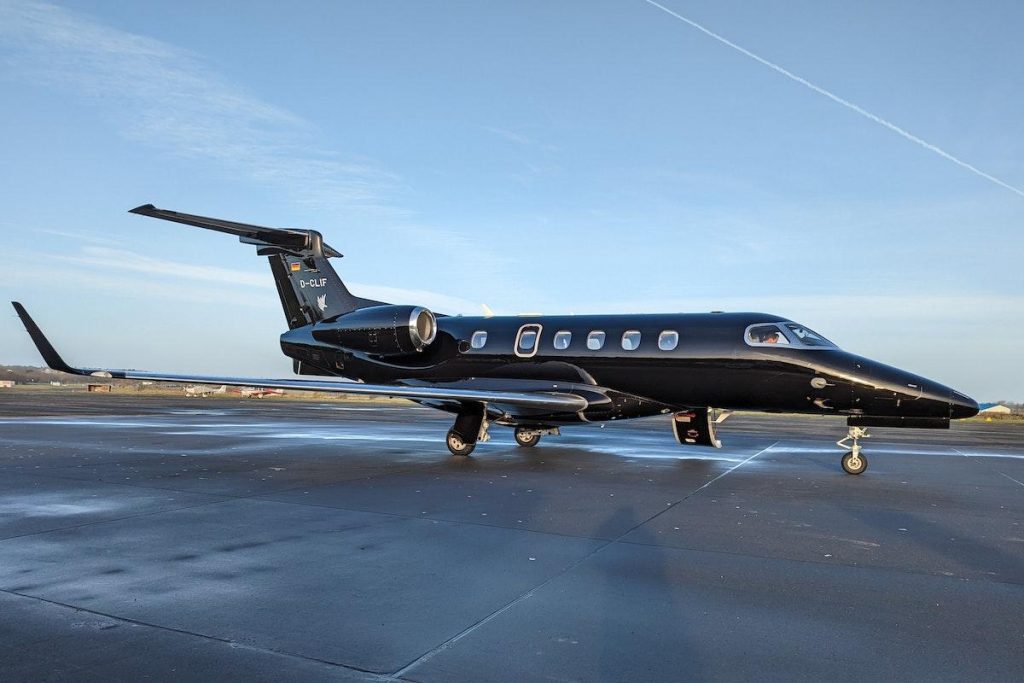
In this article, we will explore how holographic workspaces are shaping the future of private jet interiors, the technology behind them, and the benefits they bring to passengers. We will also take a look at potential challenges and how the integration of holographic technology could redefine the way we think about flying.
The Rise of Remote Work and Productivity in the Skies
The increasing trend of remote work has led many individuals to reconsider how and where they perform their daily tasks. No longer confined to a traditional office, professionals can now work from almost anywhere. The airspace, however, remains one area where productivity often takes a hit, given the lack of access to powerful work tools and environments.
In private aviation, this is changing. With advanced connectivity and technology making rapid advancements, private jets are becoming more than just a mode of transport, they are evolving into mobile offices, complete with the tools needed to work efficiently and comfortably in the air. One of the most futuristic and exciting solutions to achieve this is through smart holographic workspaces.
Holographic technology has been used in various industries for years, from entertainment to healthcare, and now, the skies are becoming a new frontier for its application. Holographic workspaces are essentially virtual environments that create the sensation of being surrounded by digital elements, whether they are 3D projections of documents, screens, or even collaborative spaces. These holographic elements will be seamlessly integrated into the cabin of future private jets to help passengers stay productive in a way that feels natural and intuitive.
How Holographic Workspaces Will Work in Private Jets
The integration of smart holographic workspaces in private jets will combine cutting-edge holographic displays, artificial intelligence (AI), and advanced sensors to create a fully interactive environment. The following is a breakdown of how this system will work in practice:
- Holographic Displays and Virtual Workspaces
Gone will be the days of working on small laptop screens or having to pull out bulky devices to view multiple documents at once. With the introduction of holographic displays, passengers will be able to interact with virtual documents, presentations, and reports, all in 3D form. Imagine seeing your presentation slide in mid-air, manipulating 3D models of business plans or product designs, or reviewing documents by simply swiping through them in the air.
The workspace will be projected using holographic projectors installed in various parts of the jet, allowing for a fully immersive and flexible work environment. These projections will not require the use of glasses or headsets, making them convenient for in-flight use. The jet’s interior will be transformed into an interactive digital workspace where passengers can view multiple projections of data, presentations, and documents from a variety of angles, creating a more engaging and effective working experience.
- AI-Powered Personal Assistants
Another major element of smart holographic workspaces will be the use of AI-powered personal assistants integrated into the system. These assistants will act as virtual concierges, helping passengers navigate their work environment and optimizing their productivity. Passengers will be able to interact with their AI assistants through voice commands or gestures, allowing them to access files, schedule meetings, make calls, or even adjust the cabin environment for maximum comfort, all in an intuitive and seamless manner.
The AI assistant will be able to analyze the work habits and preferences of each individual passenger, tailoring the workspace setup to suit their needs. For example, if a passenger regularly works with multiple documents or is preparing for a meeting, the assistant could automatically organize their workspace, display relevant files, and even suggest talking points or responses to emails.
- Virtual Collaboration and Remote Communication
Another remarkable feature of holographic workspaces will be the ability to virtually collaborate with colleagues or clients while in flight. By incorporating real-time video conferencing with holographic projections, passengers will be able to hold fully immersive meetings without the need for physical presence. Instead of relying on traditional video calls on flat screens, holographic workspaces will allow meeting participants to be projected as 3D holograms within the private jet cabin. This would provide a more natural and dynamic way to interact, as people can engage in discussions in a more lifelike, spatial environment.
Moreover, the holographic environment will enable collaboration over virtual whiteboards, interactive documents, or even 3D models. This integration of collaboration tools will make it possible for business leaders to conduct important meetings and work on projects while in transit, without compromising the quality of communication or team dynamics.
- Customizable Environment Settings
Smart holographic workspaces won’t just be about what’s displayed; they will also allow for the customization of the physical environment to match the needs of the user. For example, the system can adjust the cabin’s lighting, temperature, and seating configuration based on the type of work being done. If a passenger is having a serious business discussion, the system can create a more professional, subdued atmosphere. Conversely, if the passenger is brainstorming or collaborating with a team, the system might create a more open, flexible environment with enhanced lighting.
The integration of holographic displays with the jet’s environment means that passengers will no longer be limited to traditional setups like folding tables or cramped workspaces. Instead, the entire cabin will function as an adaptable and dynamic workspace, giving passengers the ability to tailor the environment to whatever task they are focusing on.
Benefits of Smart Holographic Workspaces in Private Jets
The integration of holographic workspaces in private jets promises numerous benefits, particularly for business travelers. These benefits include:
- Enhanced Productivity
With the ability to view and interact with digital content in 3D, passengers will be able to perform tasks that would be difficult or impossible on a traditional laptop or tablet. The ability to view and manipulate documents, spreadsheets, and 3D models in a more intuitive and immersive way can help speed up decision-making processes and increase overall productivity.
- Improved Collaboration
The ability to hold immersive, virtual meetings with colleagues or clients will make it easier to stay connected and collaborate in real-time, even while flying at 40,000 feet. The holographic meetings will feel far more natural and engaging than traditional video calls, making remote collaboration more effective and valuable.
- Seamless Integration of Technology
AI and holographic systems will work together to create a seamless experience for passengers. Passengers won’t need to worry about managing different devices or programs, everything will be integrated into one user-friendly system, allowing them to stay focused on their work without distractions.
- Maximized Comfort and Flexibility
Holographic workspaces will allow passengers to have a flexible, customizable workspace that adapts to their needs. With the ability to adjust the environment to match the task at hand, passengers can stay comfortable and focused during long flights.
- Reduction of In-Flight Downtime
For passengers who often travel long distances, the ability to work efficiently in-flight helps reduce the downtime that would otherwise be spent doing nothing. Whether it’s preparing for meetings, reviewing reports, or collaborating on projects, a holographic workspace will allow passengers to use every minute of their flight productively.
Potential Challenges and Limitations
While the concept of smart holographic workspaces is incredibly promising, there are still some challenges that need to be addressed before this technology becomes a mainstream reality in private jets. These include:
- Cost of Implementation: Integrating advanced holographic technology and AI systems into private jets is likely to be expensive. The cost of retrofitting existing aircraft with this technology or installing it in new models could be prohibitive for many private jet owners.
- Power Consumption: The technology required to run holographic displays and AI assistants can be power-hungry. Finding ways to ensure the aircraft can supply enough power without compromising flight performance will be essential.
- Technical Reliability: As with any new technology, there is always a risk that the systems could malfunction or experience downtime, particularly on long-haul flights. Ensuring the reliability of these systems will be crucial to their success.
Conclusion
The future of private jet travel is set to be transformed by smart holographic workspaces, which will allow passengers to work more efficiently and productively during their flights. By leveraging advanced holographic displays, AI-powered assistants, and seamless virtual collaboration tools, these workspaces will help business travelers stay connected and engaged while in the air. Although there are challenges ahead, the integration of these systems promises to push the boundaries of what we can expect from private aviation, ushering in a new era of high-tech, luxury air travel.


