


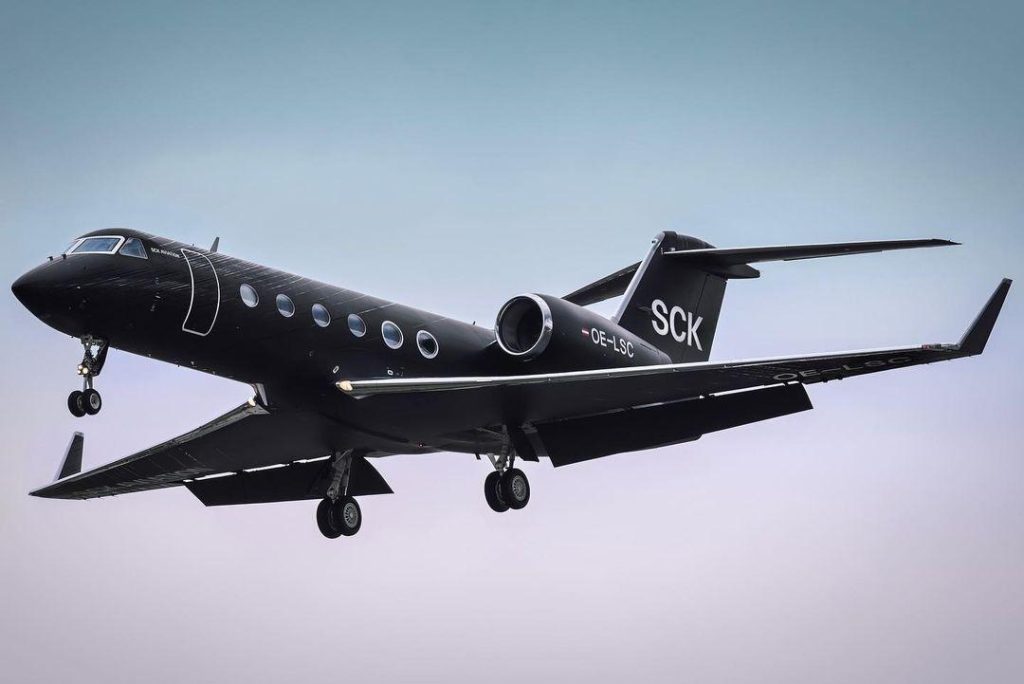
In times of crisis, whether it’s a natural disaster, terrorist attack, pandemic, or political unrest, governments around the world face immense pressure to respond swiftly and effectively. The success of their response often hinges on the ability to mobilize resources, communicate efficiently, and manage critical operations in real-time. In such situations, private jets have become an invaluable asset for governments to ensure quick and effective crisis management.
From the rapid deployment of emergency personnel to facilitating the secure transportation of leaders and international diplomats, private aviation plays a crucial role in helping governments navigate the complexities of crisis situations. This article explores the various ways governments utilize private jets for crisis management, the unique benefits they offer, and real-world examples that highlight their critical importance.
1. The Role of Private Jets in Crisis Management
Crisis management is all about speed, efficiency, and flexibility. The ability to respond quickly can mean the difference between life and death, successful mitigation or catastrophic failure, and effective control or chaos. Governments must be able to make decisions rapidly and implement strategies that require the swift mobilization of resources and personnel. This is where private jets step in.
Private jets offer governments the speed, security, and flexibility needed to manage high-stakes situations. Here are some of the key ways that private jets are used in crisis management:
A. Transporting Government Officials and Key Personnel
During a crisis, government officials, diplomats, and emergency response teams must often travel quickly to key locations. Whether it’s to evacuate high-ranking officials, deliver critical messages, or coordinate international response efforts, private jets enable quick and secure transportation. This is particularly important when commercial airlines are disrupted due to emergencies or when security concerns require a private, controlled environment.
For example, in cases of political instability or international negotiations, heads of state may need to travel urgently to meet with foreign leaders, communicate strategic decisions, or oversee critical operations. With private jets, these leaders can travel without delays, ensuring that their presence is felt where it’s most needed.
B. Emergency Evacuations and Humanitarian Aid Delivery
During natural disasters or pandemics, governments often need to evacuate citizens, deliver humanitarian aid, and provide medical support to affected regions. Private jets are ideally suited to handle these tasks, especially when commercial airports are overwhelmed or local infrastructure is damaged.
Private jets can transport emergency responders, medical teams, and vital supplies to affected areas, where they can provide critical assistance. Additionally, in cases where large numbers of people need to be evacuated from danger zones, private jet airlifts can offer a flexible and efficient solution.
C. Securing Sensitive Information and Data Transfer
In many crises, governments need to ensure that sensitive information remains secure. Whether it’s intelligence gathered from disaster-stricken areas, military operations, or diplomatic communications, the safe transfer of information is paramount. Private jets equipped with secure communication systems ensure that data can be transmitted without interruption and without the risk of interception by unauthorized parties.
This is particularly important during terrorist threats, cyberattacks, or in war zones, where national security could be compromised if data or personnel are compromised. Private jets can provide secure communication networks, allowing government officials to manage the situation remotely or directly from the field.
D. Transporting Critical Supplies and Medical Equipment
In times of crisis, supply chains are often disrupted, making it difficult to deliver essential items such as food, medicine, and medical equipment to the affected areas. Governments can use private jets to rapidly transport critical supplies, ensuring that relief efforts are not hindered by logistical challenges.
Private jets are also instrumental in transporting specialized medical teams, organs for transplant, emergency vaccines, and first aid kits. These supplies are often time-sensitive, and their rapid delivery can significantly improve the chances of recovery for individuals in need of urgent medical attention.
E. International Coordination and Diplomacy
In a global crisis, governments need to work together to address the situation. Whether it’s negotiating a peace treaty, coordinating humanitarian relief, or responding to a pandemic, the ability to communicate and collaborate effectively is crucial. Private jets provide the flexibility for leaders and diplomats to meet on short notice, ensuring that international cooperation can proceed without delays.
For example, international summits or emergency meetings during times of war, economic crisis, or health emergencies often require the presence of key leaders and officials from different countries. Private jets can facilitate the travel of delegates, allowing them to quickly convene and discuss strategic actions in a secure and controlled environment.
2. Advantages of Using Private Jets for Crisis Management
There are numerous advantages to using private jets during times of crisis, making them an indispensable tool for governments. Let’s look at some of the most compelling reasons why private aviation is crucial in crisis management:
A. Speed and Flexibility
The ability to mobilize quickly is one of the primary advantages of using private jets in crisis management. Whether it’s evacuating officials, deploying humanitarian aid, or coordinating diplomatic negotiations, private jets provide an a very uniqueed speed of response. Governments can summon jets at any time and to almost any destination, bypassing the restrictions and delays that often come with commercial airline schedules.
Additionally, private jets are flexible, allowing for last-minute changes in the flight plan. This flexibility is essential in high-pressure situations where fast decisions are needed, and time is a luxury that can’t be afforded.
B. Security and Privacy
In times of crisis, security is always a top concern. Private jets provide heightened security and ensure that government officials, diplomats, and other key personnel are not exposed to potential threats during their travels. Commercial airlines often do not offer the level of security required during political unrest or terrorist threats, making private jets a safer option.
Moreover, private jets ensure the privacy of sensitive operations, as passengers are not exposed to the media or the public. For governments involved in sensitive negotiations or diplomatic discussions, discretion is paramount, and private jets provide the necessary confidentiality.
C. Access to Remote Locations
In times of crisis, especially during natural disasters or in war zones, ground transportation and commercial flights may not be feasible due to damaged infrastructure, closed airspace, or other logistical challenges. Private jets, however, can access remote regions, small airstrips, or emergency landing zones, ensuring that assistance can reach affected areas even when traditional transportation is unavailable.
This ability to reach remote and disaster-stricken regions is critical in ensuring that governments can provide aid and evacuate individuals quickly and efficiently.
D. Customizable and Specialized Solutions
Private jets can be customized to meet the specific needs of a crisis situation. From onboard medical facilities for emergency evacuations to secure communication systems for intelligence sharing, private jets can be customized to accommodate the unique requirements of the crisis at hand.
Governments can choose aircraft that are suited to the nature of the emergency. For instance, in the case of a biological outbreak or pandemic, jets may be equipped with quarantine rooms or specialized equipment to ensure the safety of passengers and crew. In military or conflict zones, military-grade jets can be used to provide a more secure and protected environment for high-ranking officials.
E. Cost Efficiency in the Long Run
While the upfront cost of chartering a private jet may seem high, in the context of crisis management, the long-term savings and value they provide can outweigh the costs. The ability to respond quickly, minimize risks, and prevent damage can save lives, resources, and national interests. Moreover, the ability to use private jets for multiple missions, such as evacuations, aid delivery, and diplomatic negotiations, makes them a cost-effective solution when compared to other methods.
3. Real-World Examples of Private Jets in Crisis Management
Numerous real-world examples highlight how private jets have played an essential role in government crisis management. Here are some notable instances:
A. Hurricane Katrina (2005)
During Hurricane Katrina, private jets were used to evacuate government officials, first responders, and displaced citizens from the affected areas. The destruction of New Orleans and the surrounding regions made ground transportation nearly impossible, and commercial flights were unavailable. Private jets helped facilitate evacuations and deliver essential supplies to the affected areas.
B. Ebola Outbreak (2014)
During the Ebola outbreak in West Africa, private jets were utilized to transport healthcare workers and medical supplies to the affected regions. These jets also evacuated infected individuals to hospitals in other countries for treatment, preventing the spread of the disease.
C. COVID-19 Pandemic (2020)
The COVID-19 pandemic presented a unique set of challenges for governments worldwide. Private jets were crucial for evacuating citizens from affected regions, delivering medical supplies, and transporting healthcare professionals to areas where they were needed most. Additionally, vaccine distribution was expedited with the help of private aviation, ensuring that millions of doses reached their destinations quickly.
4. The Future of Private Jets in Crisis Management
As technology continues to advance and the global landscape evolves, the role of private jets in crisis management will only continue to grow. With the increasing frequency of natural disasters, geopolitical instability, and global health threats, the need for rapid response and secure transportation will be more important than ever.
Governments will continue to leverage private aviation to ensure that they can respond to crises with the speed, flexibility, and security required to mitigate damage and protect citizens. Private jets will remain a critical tool in the arsenal of governments as they navigate the challenges of modern crisis management.
Conclusion
Private jets have become an essential part of government crisis management. From evacuating citizens to delivering critical supplies and facilitating diplomatic negotiations, private jets provide governments with the tools they need to respond quickly, securely, and effectively to a wide range of crises. As the world faces new challenges and uncertainties, the role of private jets in crisis management will undoubtedly continue to expand, ensuring that governments are prepared to tackle any emergency that may arise.


