


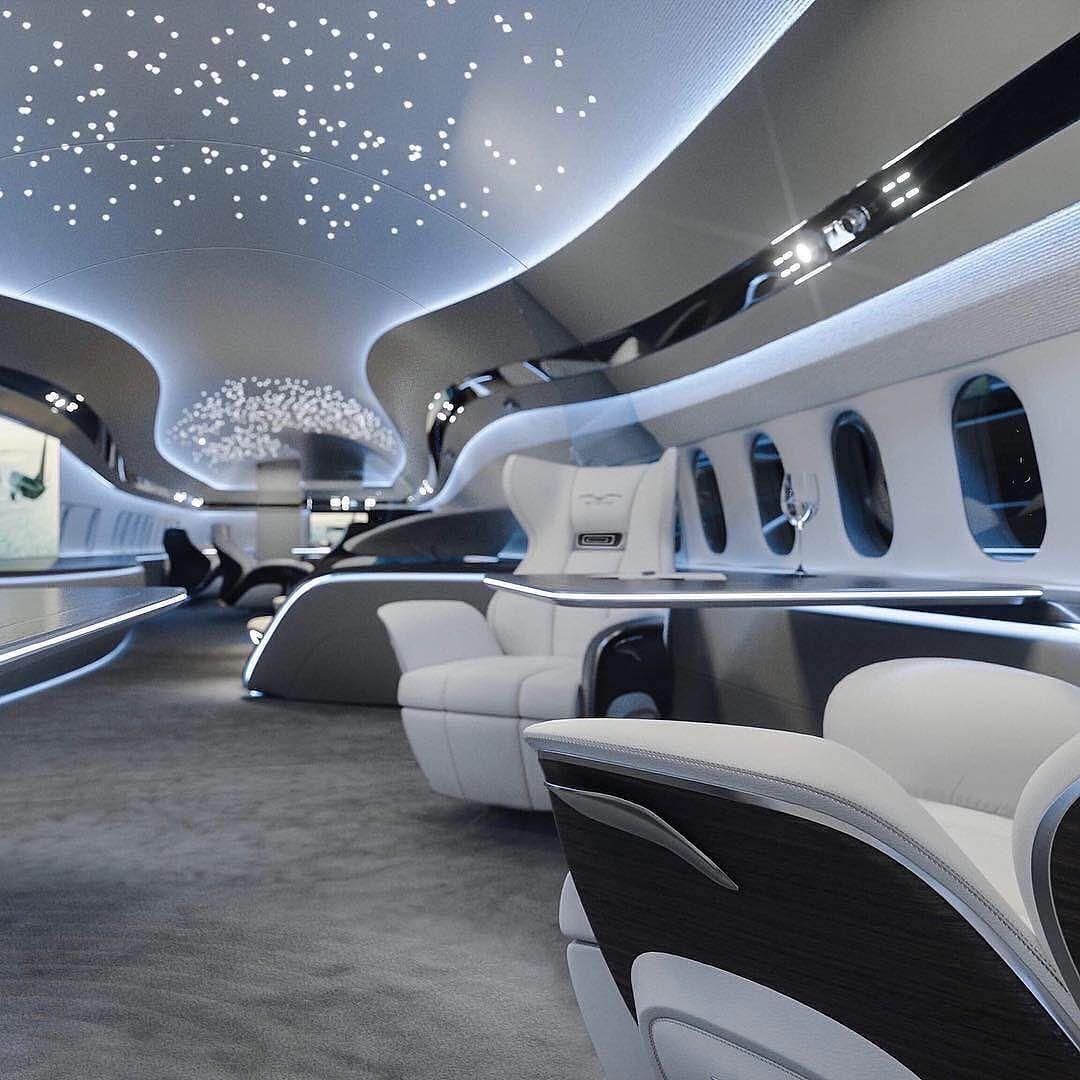
The world of private jets is synonymous with luxury, exclusivity, and sophistication. When it comes to the interiors of these high-end aircraft, interior designers face the challenge of creating spaces that embody these qualities while addressing the practicalities of aviation. Designing a stunning jet cabin is a delicate balance of aesthetics, functionality, and comfort. Interior designers must work within the constraints of an aircraft’s size and weight limitations while ensuring that every detail reflects the style and personality of the owner.
Creating a beautiful and functional jet cabin involves a complex process that requires creativity, technical skill, and a deep understanding of aviation requirements. In this article, we will explore how interior designers transform a basic aircraft cabin into a stunning, luxurious environment that rivals the finest hotels and homes. From the initial concept to the final installation, every step of the design process contributes to creating a space that is both stylish and practical for the elite travelers who use these jets.
1. The Design Process: From Concept to Reality
The journey to creating a stunning jet cabin begins with the initial design concept. Interior designers work closely with the aircraft owner, architects, engineers, and manufacturers to understand the client’s preferences, lifestyle, and functional needs. The design process involves several stages, each critical in transforming an aircraft into a beautiful, comfortable, and personalized space.
Initial Consultation and Vision Development
The first step in designing a jet cabin is understanding the client’s vision. Interior designers typically hold consultations with the aircraft owner to learn about their preferences, interests, and any specific requirements they may have. This phase is crucial because it helps the designer get a sense of the owner’s lifestyle, preferences for color schemes, materials, and overall style, whether it’s modern, classic, or eclectic. The designer may also discuss practical considerations, such as the need for a private bedroom, entertainment space, office area, or dining area.
During this stage, the designer will often present mood boards, sketches, and design concepts to help the owner visualize the overall look and feel of the cabin. This collaborative process ensures that the design aligns with the client’s vision.
Space Planning and Layout Design
Once the general vision is established, the interior designer moves on to space planning. Aircraft cabins have limited space, so the designer must optimize every inch of the cabin to meet the client’s needs while maintaining a sense of openness and comfort. Unlike traditional interior design, where space is rarely a constraint, jet cabin design requires careful consideration of seating arrangements, storage solutions, and functional layouts.
Interior designers must ensure that the layout supports the aircraft’s operational needs. For example, the placement of seats, storage areas, and workspaces must allow for easy movement within the cabin, especially during takeoff, landing, and turbulence. Additionally, the designer must account for safety regulations, ensuring that emergency exits, seatbelt anchors, and other safety features are easily accessible.
Choosing Materials and Finishes
Materials and finishes play a significant role in creating the luxurious feel of a jet cabin. Interior designers carefully select materials that not only enhance the aesthetic appeal of the cabin but also meet the stringent requirements of aviation. Aircraft materials must be lightweight, durable, and fire-resistant, all while offering a sophisticated look and feel.
High-quality materials such as leather, wood veneers, marble, and fine fabrics are commonly used to create a luxurious atmosphere. Leather seating and polished wood paneling create a refined look, while marble countertops, custom-designed carpets, and fabric upholstery add elegance. Additionally, some designers incorporate high-tech materials, such as carbon fiber or lightweight composites, to reduce the weight of the aircraft and improve efficiency.
Color Schemes and Lighting
The choice of color scheme is another key element of jet cabin design. Interior designers select colors that complement the overall theme and create a harmonious atmosphere. Neutral tones like beige, taupe, and gray are often used as a base, with accent colors added through furnishings, artwork, and soft goods. Bold colors can also be introduced for a more dramatic effect, depending on the owner’s preferences.
Lighting is equally important in setting the right mood in a jet cabin. Proper lighting can transform a space, making it feel more open, inviting, and comfortable. Interior designers use a combination of ambient, task, and accent lighting to create a layered effect. LED lights are commonly used due to their energy efficiency and ability to be controlled for brightness and color temperature. Skylights, mood lighting, and adjustable light fixtures add to the cabin’s ambiance, allowing passengers to customize the lighting based on their activities, whether it’s reading, working, or relaxing.
2. Maximizing Space and Functionality
One of the primary challenges interior designers face when designing jet cabins is maximizing the available space. Unlike a traditional home or office, the space in a jet cabin is limited and must be used efficiently. Designers must strike the perfect balance between luxury and practicality, ensuring that every element of the cabin serves a purpose without overcrowding the space.
Seating Arrangements and Multi-Functionality
Seating arrangements in a jet cabin must be designed to provide comfort while also offering flexibility. Depending on the needs of the owner, the designer may incorporate recliner chairs, sofas, or modular seating that can be adjusted or converted into beds. Many private jets feature seating that can be transformed into sleeping areas, allowing passengers to relax or sleep during long flights.
Designers also incorporate multi-functional furniture that can serve more than one purpose. For example, a table that can be used for dining, working, or socializing, or a sofa that doubles as a bed. This flexibility is crucial in ensuring that the cabin can accommodate a variety of activities, from business meetings to relaxation.
Storage Solutions
Storage is a critical component of jet cabin design. While space is limited, private jet owners expect ample room to store personal belongings, clothing, luggage, and other essentials. Interior designers often include hidden storage compartments, such as drawers, cabinets, and closets, in strategic locations throughout the cabin. These storage solutions are designed to be discreet yet functional, ensuring that the cabin remains tidy and organized.
In addition to traditional storage methods, designers also use creative solutions such as under-seat storage, fold-out shelves, and hidden compartments to maximize the available space. Custom-designed cabinetry and furniture pieces can also be integrated into the cabin to provide additional storage without compromising the cabin’s aesthetic appeal.
3. Incorporating Technology into the Design
In today’s world, technology is an essential part of any luxury experience, and private jets are no exception. Interior designers must integrate cutting-edge technology into the cabin without disrupting the aesthetic appeal of the space. This may include advanced entertainment systems, climate control, communication systems, and security features.
Entertainment Systems
Private jet cabins are equipped with state-of-the-art entertainment systems to keep passengers entertained during long flights. Designers often incorporate large flat-screen TVs, surround sound systems, and high-definition video conferencing equipment. These systems are seamlessly integrated into the cabin’s design, with hidden compartments or retractable panels that allow for easy use without cluttering the space.
Climate Control and Comfort
Climate control is an essential element of jet cabin design. Interior designers ensure that the cabin’s heating, ventilation, and air conditioning (HVAC) systems are integrated into the overall design and provide optimal comfort for passengers. Advanced air filtration systems are also often incorporated to maintain the quality of the air onboard.
Smart Home Technology
Many modern private jets are equipped with smart home technology, allowing passengers to control lighting, temperature, entertainment, and security features through a smartphone or tablet. Interior designers work with tech specialists to ensure that these systems are intuitive and easily accessible, allowing passengers to customize their environment with ease.
4. Ensuring Safety and Comfort
While luxury and aesthetics are central to the design of a jet cabin, safety and comfort are paramount. Designers must ensure that all safety protocols are adhered to while still maintaining the luxurious feel of the cabin.
Safety Features
Interior designers incorporate essential safety features such as seatbelts, emergency exits, and fire safety equipment into the cabin’s design. The design must also account for turbulence, ensuring that seating arrangements and other elements are securely anchored to prevent injury during the flight.
Comfort and Ergonomics
Ergonomics play a significant role in ensuring passenger comfort. Designers carefully select furniture and seating options that provide adequate support and comfort for passengers during long flights. Adjustable seats, lumbar support, and padded materials are often used to ensure that passengers remain comfortable throughout their journey.
5. Final Installation and Touches
Once the design is finalized, the installation process begins. This involves coordinating with aircraft manufacturers, engineers, and contractors to bring the vision to life. The installation process can take several months and involves meticulous attention to detail. From the installation of furniture and fixtures to the final finishing touches, the designer oversees the entire process to ensure that everything is executed to perfection.
The final touches include the placement of art, decorative elements, and custom-designed accessories that enhance the overall aesthetic of the cabin. These personal touches help reflect the owner’s personality and preferences, making the jet cabin feel like a true extension of their home.
6. Conclusion
Designing stunning jet cabins is an intricate process that requires a combination of creativity, technical expertise, and attention to detail. Interior designers work closely with aircraft owners to create personalized, luxurious spaces that reflect the owner’s style while ensuring functionality, comfort, and safety. The result is a beautifully designed cabin that offers the ultimate in luxury and sophistication, making private jet travel an a very uniqueed experience. From space planning to material selection, lighting design, and the integration of cutting-edge technology, interior designers play a crucial role in transforming private jets into flying works of art.


