


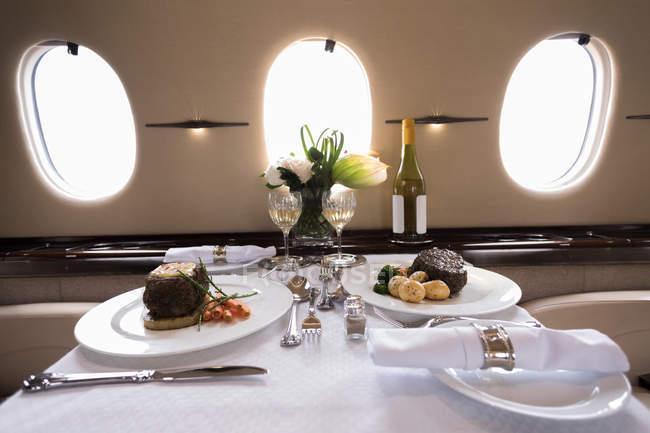
When it comes to luxury travel, the experience goes far beyond just the destination. For those flying in private jets, dining is an integral part of the journey, and the food served is often as refined and exclusive as the aircraft itself. Michelin-star chefs, renowned for their expertise in the culinary world, are increasingly being called upon to craft extraordinary menus for private jet passengers. The challenge lies in balancing the complexities of gourmet dining with the constraints of flying at 40,000 feet.
Creating an exceptional dining experience for private jet passengers is no small feat. It involves meticulous planning, knowledge of food preservation at high altitudes, and the ability to deliver world-class meals in an environment where space and resources are limited. Michelin-star chefs must adapt their skills to meet these unique demands while ensuring that each meal is a reflection of the highest standards of taste, creativity, and presentation.
This article will delve into the art of planning menus for private jet flights, highlighting the role of Michelin-star chefs in this process, the factors they must consider, and the innovations they use to elevate the in-flight dining experience.
1. Understanding the Unique Demands of Private Jet Dining
Private jet dining presents a unique set of challenges that differ significantly from traditional restaurant kitchens. Michelin-star chefs are accustomed to working in high-end kitchens with state-of-the-art equipment, large staffs, and ample space to create complex dishes. However, when working for private jet clients, they must adapt to the specific limitations of flying at high altitudes.
Altitude and its Impact on Taste
One of the most important factors chefs must consider when planning menus for private jet flights is the effect of altitude on the taste of food. The pressurized cabin of a jet and the reduced oxygen levels at cruising altitude can alter the way food tastes. At 40,000 feet, the human palate is less sensitive to salt, sweetness, and other flavor components. This is why dishes served on private jets often need to be seasoned more intensely than those served on the ground to ensure they retain their full flavor profile.
To counteract the effects of altitude on flavor, chefs often use more aromatic ingredients, bold spices, and robust flavors. They may also opt for ingredients that hold their taste well even at high altitudes, such as cured meats, smoked fish, or pickled vegetables.
Limited Space and Equipment
Private jets are equipped with small galley kitchens, meaning chefs must work with a limited amount of space and cooking equipment. Unlike a professional kitchen with ovens, stovetops, and expansive prep areas, a private jet’s galley typically only includes basic equipment such as microwave ovens, warming ovens, small stovetops, and portable refrigeration units. This can limit the types of dishes that can be prepared onboard.
Michelin-star chefs must be resourceful in their menu planning, often opting for dishes that can be prepared in advance and require minimal reheating or assembly on the plane. This often means that the food must be prepared in advance, chilled or frozen, and then heated in-flight. Precision and timing are key to ensuring that the food is served at the perfect temperature and texture.
2. Menu Planning for Luxury Private Jet Dining
When planning a menu for private jet flights, Michelin-star chefs must take into account several key considerations, including the preferences of the client, the duration of the flight, and the availability of ingredients. These factors must be carefully balanced to ensure that the dining experience is as luxurious and seamless as possible.
Understanding Client Preferences
Each private jet flight is unique, and one of the first steps in planning a menu is understanding the preferences and dietary needs of the client. Whether it’s a high-profile business executive, a celebrity, or a family traveling for leisure, the chef must tailor the menu to the specific tastes and requirements of the passengers.
Some clients may have particular dietary restrictions, such as gluten-free, vegan, or kosher diets, while others may have a preference for certain types of cuisine, such as French, Japanese, or Italian. Michelin-star chefs work closely with flight attendants and aviation caterers to ensure that the food meets the highest standards while accommodating any dietary preferences or requirements.
Flight Duration and Meal Timing
The duration of the flight plays a crucial role in the planning of meals. For short flights, a simple, light meal or a selection of gourmet snacks may be sufficient. However, for long-haul flights, multiple courses may be required, and meals must be designed to provide variety and sustenance throughout the journey. Chefs often design menus that include breakfast, lunch, dinner, and snacks, with each meal reflecting the same high standards of quality and creativity.
For example, a multi-course dinner might begin with a light appetizer such as foie gras or smoked salmon, followed by a main course of lamb or lobster, and finished with a decadent dessert like chocolate soufflé or crème brûlée. On longer flights, chefs may also include regional specialties or offer a rotating menu to ensure that passengers don’t tire of the same options.
Ingredient Sourcing and Storage
Sourcing the finest ingredients is another key aspect of planning a menu for a private jet. Given the limited space for storage, chefs must work with aviation caterers to ensure that all ingredients are of the highest quality and can be properly stored throughout the flight. Fresh produce, meats, and seafood must be sourced from reputable suppliers, while dry ingredients and non-perishable items are carefully selected to ensure they maintain their flavor and texture.
Because of the constraints of onboard kitchens, many ingredients are pre-prepared or semi-cooked before the flight. For instance, meats may be roasted or grilled ahead of time, while sauces and garnishes are prepared in advance and stored in airtight containers. This ensures that everything can be easily reheated and assembled once the aircraft is airborne.
3. Innovations in In-Flight Cooking
Over the years, private jet dining has evolved to incorporate the latest innovations in culinary techniques and technology. Michelin-star chefs are increasingly using modern cooking methods to ensure that meals are as fresh and flavorful as possible, even at 40,000 feet.
Sous Vide Cooking
One of the most popular innovations in private jet dining is the use of sous vide cooking. This method involves cooking food in vacuum-sealed bags at a low, precise temperature for an extended period of time. Sous vide cooking ensures that food retains its moisture, flavor, and texture, making it an ideal method for preparing meat, fish, and vegetables for private jet flights.
Sous vide is especially useful for dishes that require slow cooking, such as braised meats or delicate fish fillets. By cooking the food to perfection before the flight, the chef can ensure that the dish maintains its high quality, even when it is reheated on the plane.
Food Presentation and Plating
In addition to preparing delicious meals, Michelin-star chefs are also experts in food presentation. On private jets, where space is limited, presentation becomes even more important. Meals must be plated in a way that is both visually appealing and practical for the confines of the aircraft.
Chefs often work with specialized containers and serving dishes that are designed for in-flight dining. These dishes are often equipped with lids to keep the food hot and secure during the flight. Presentation is key, even for simple meals, as luxury passengers expect their food to be as visually stunning as it is delicious.
Advanced Preservation Techniques
Given the challenges of in-flight meal preparation, chefs rely on advanced preservation techniques to ensure that food remains fresh and high-quality throughout the flight. Techniques such as cryovac packaging, flash-freezing, and vacuum-sealing are used to preserve the integrity of ingredients and prevent spoilage.
For example, delicate items like sushi or fresh fruit may be flash-frozen to maintain their texture and taste, while vacuum-sealing preserves the flavor and moisture of meats and fish. These techniques ensure that passengers enjoy a gourmet meal that feels as fresh as if it were prepared on the ground.
4. The Role of Flight Attendants and Aviation Catering
Michelin-star chefs may not always be physically present on private jet flights, but they play a significant role in ensuring that each meal is served to perfection. In most cases, flight attendants and aviation caterers work in tandem with the chef to oversee the preparation, presentation, and serving of the meals.
Flight attendants are trained in the art of fine dining and are familiar with the specific techniques required to heat and serve gourmet meals in the air. They are often responsible for ensuring that food is presented in the most appealing way possible and that passengers’ dietary preferences and requests are met.
Aviation catering companies also play a crucial role in sourcing ingredients, preparing meals, and ensuring that everything is packaged and stored properly. These caterers are experts in creating meals that can withstand the rigors of air travel and are typically experienced in working with high-end clients who demand the best.
5. Creating a Personalized Dining Experience
For many private jet passengers, dining is an essential part of the luxury experience. Michelin-star chefs are skilled in tailoring menus to the specific tastes and preferences of their clients, ensuring that each meal is a personalized experience.
Chefs may take requests from passengers for their favorite dishes or seek inspiration from the destinations they are traveling to. For example, a flight from Paris to New York may feature a menu inspired by French and American culinary traditions, while a trip to Italy could showcase regional Italian specialties.
Personalized dining experiences on private jets can also include special requests such as themed meals, wine pairings, or unique dessert presentations. Chefs often go above and beyond to create a memorable experience that reflects the passenger’s personality and tastes.
6. The Future of Private Jet Dining
As private jet travel continues to evolve, so too does the culinary experience. Michelin-star chefs are increasingly using technology and innovation to create even more exquisite dining experiences in the sky. In the future, we may see more advanced cooking techniques, new preservation methods, and even greater customization options for passengers.
The demand for exceptional in-flight dining will continue to grow as more individuals seek personalized and luxurious travel experiences. As such, the role of Michelin-star chefs in private jet dining will remain crucial in ensuring that every meal is as extraordinary as the flight itself.
Conclusion
Michelin-star chefs are experts at creating extraordinary culinary experiences, and when it comes to private jet dining, they must use their skills, creativity, and resourcefulness to craft world-class meals that meet the unique demands of flying at high altitudes. From understanding the effects of altitude on taste to using innovative cooking techniques, these chefs bring a wealth of expertise to every flight.
By balancing the constraints of flying with the desire for luxury and exceptional flavor, Michelin-star chefs are redefining what it means to dine in the sky. With a deep understanding of their craft, the use of cutting-edge technology, and a focus on personalization, they are elevating private jet dining to new heights.


