


Owning a private jet is often seen as the summery of luxury and success. The freedom to travel on your own terms, avoid long security lines, and fly directly to your destination can be incredibly appealing. However, before taking the leap into private jet ownership, it’s important to fully understand the true cost of owning and maintaining one. While the allure of private aviation is undeniable, the financial commitment can be significant and complex.
In this article, we will break down the costs associated with owning a private jet, including the initial purchase price, ongoing operational expenses, maintenance, and other hidden costs. We’ll also explore whether private jet ownership is a viable investment and who benefits most from owning their own aircraft. By the end of this guide, you will have a clearer picture of the financial landscape of private jet ownership, helping you decide if it’s the right choice for you.
Initial Purchase Price of a Private Jet
The first and most obvious cost of owning a private jet is the initial purchase price. Private jets vary widely in price, depending on factors such as the size, brand, age, and model of the aircraft. On the lower end, a small, used light jet can cost anywhere from $1 million to $3 million, while newer, more advanced models can range from $3 million to $10 million. Larger jets with more luxury features, greater range, and more advanced technology can cost upwards of $50 million or more.
For example, a pre-owned Cessna Citation Mustang, which is a light jet with a seating capacity of 4-5 passengers, can be purchased for around $2.5 million. In contrast, a brand new Gulfstream G650, a long-range jet with a capacity of 18 passengers, can cost over $65 million. These price differences highlight how much variety there is in the world of private jets, and they depend on the buyer’s needs and preferences.
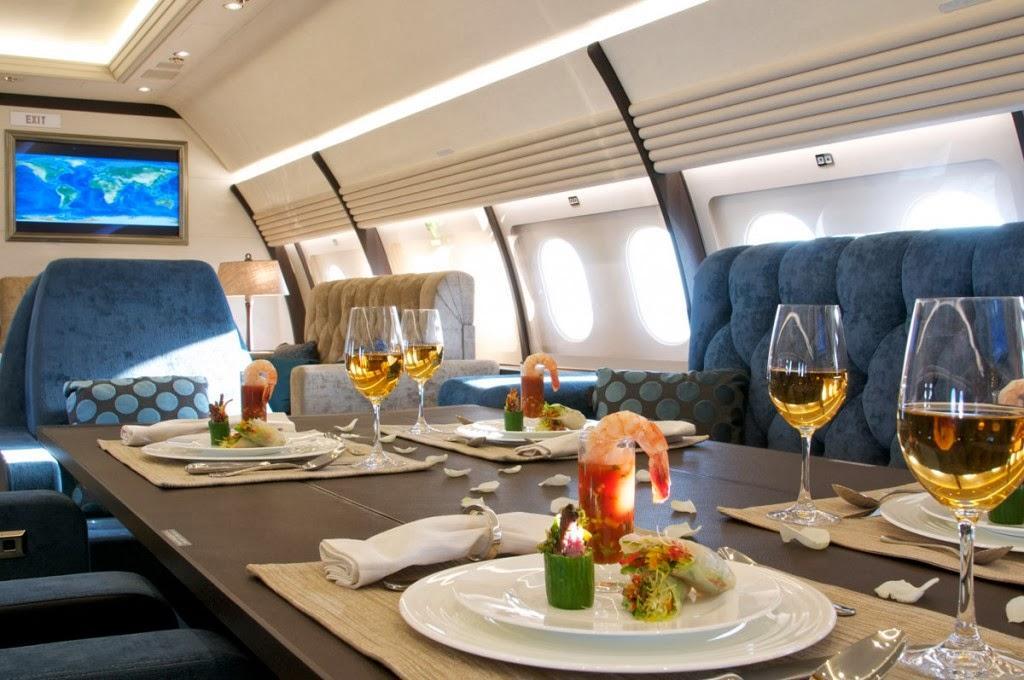
In addition to the base price of the aircraft, buyers must also factor in the costs of customization. Many private jet owners choose to personalize their aircraft, adding luxury amenities such as plush seating, state-of-the-art entertainment systems, and fully equipped bathrooms. Customizations can add millions of dollars to the cost of the jet, depending on the level of luxury and the specific features chosen.
Financing and Loan Costs
Most people don’t pay the full cost of a private jet upfront and instead finance the purchase through a loan or lease. The financing options for private jets can vary depending on the buyer’s creditworthiness and the type of aircraft being purchased. Interest rates on loans for private jets tend to be higher than those for traditional mortgages, often ranging from 5% to 10%.
When financing a private jet, buyers typically need to make a down payment of 10% to 20% of the jet’s purchase price. For example, if you are purchasing a jet for $10 million, you could expect to pay a down payment of $1 million to $2 million. The remaining balance would be financed over a period of 5 to 15 years, with monthly loan payments ranging from $50,000 to $100,000, depending on the terms of the loan.
In addition to the loan payments, there are often fees associated with financing, such as loan origination fees, closing costs, and other administrative expenses. These costs should be taken into account when determining the total financial commitment involved in purchasing a private jet.
Annual Operating Costs
Once you own a private jet, the costs do not stop at the initial purchase. Operating a private jet requires a significant annual financial commitment. These costs can vary widely based on the size and model of the jet, as well as how frequently it is used. On average, the annual operating costs for a private jet range from $500,000 to $4 million, with larger and more luxurious jets falling on the higher end of the spectrum.
The major components of annual operating costs include fuel, crew salaries, insurance, hangar fees, maintenance, and other miscellaneous expenses.
Fuel Costs
Fuel is one of the largest ongoing expenses associated with private jet ownership. The cost of jet fuel can fluctuate depending on factors like global oil prices, fuel consumption rates, and the distance traveled. On average, a private jet consumes around 100 gallons of fuel per hour of flight. For smaller jets, this can amount to $1,500 to $3,000 per hour in fuel costs, while larger jets may consume fuel at a rate of $5,000 to $10,000 per hour.
The more you fly, the higher your fuel costs will be. For instance, if you fly 200 hours per year, you could spend anywhere from $300,000 to $2 million annually on fuel, depending on the type of jet you own.
Crew Salaries
A private jet typically requires a crew, including a pilot and, in some cases, a co-pilot and flight attendants. The salaries for these crew members can be a substantial ongoing expense. For a single pilot, the annual salary can range from $60,000 to $150,000, depending on experience, the size of the jet, and the location of the base. If you hire a full crew with a captain, co-pilot, and flight attendants, the salaries can increase to anywhere from $200,000 to $500,000 per year.
In addition to salaries, private jet owners must also account for the costs of training, benefits, and any other employment-related expenses, such as health insurance and retirement contributions. This can add tens of thousands of dollars to the overall annual cost of ownership.
Insurance Costs
Private jet insurance is essential to protect against the risks of operating an aircraft. Insurance costs can vary based on the size, age, and value of the aircraft, as well as the frequency of flights and the level of coverage required. On average, private jet insurance costs between $30,000 and $200,000 per year, depending on these factors.
Insurance policies typically cover liability, hull damage, and passenger injury. Some owners also opt for additional coverage, such as coverage for theft or damage during international travel. In any case, it’s important to factor in the cost of insurance when budgeting for private jet ownership.
Hangar and Storage Fees
Private jets need a safe and secure place to be stored when they are not in use. Hangar fees are a significant cost of ownership, especially for owners who keep their jets at airports with limited space. Hangar fees can range from $10,000 to $50,000 per year, depending on the airport location and the size of the jet.
For those who prefer to keep their aircraft at private airports or specialized hangars, these costs can be even higher. Some private jet owners also choose to rent a dedicated space for their aircraft, which can cost upwards of $100,000 per year in major metropolitan areas.
Maintenance and Repairs
Routine maintenance is essential to keep a private jet in top condition and ensure its safety. Maintenance costs can vary depending on the size of the jet, how often it is flown, and the age of the aircraft. On average, owners can expect to spend $200,000 to $500,000 per year on maintenance for a smaller jet, while larger aircraft can require up to $1 million or more annually.
Maintenance costs include both scheduled maintenance, such as engine overhauls, and unscheduled repairs, which can occur unexpectedly. Additionally, owners must budget for the cost of spare parts, inspections, and certifications. While regular maintenance helps prevent costly repairs, unexpected issues can still arise, and it’s important to be prepared for these expenses.
Other Miscellaneous Expenses
In addition to the major costs outlined above, there are numerous other expenses that private jet owners must consider. These can include:
• Landing fees: These fees are charged by airports whenever a jet lands at their facility. The cost can vary depending on the airport, size of the jet, and number of landings, but it can range from $100 to $5,000 per landing.
• Catering and amenities: High-end catering services, including gourmet meals and beverages for passengers, can cost anywhere from $500 to $5,000 per flight, depending on the length of the trip and the level of service required.
• Communication services: In-flight Wi-Fi and satellite communications are often necessary for business travelers. These services can cost $500 to $2,000 per flight, depending on the provider.
• Depreciation: Like any other luxury asset, private jets lose value over time. Depending on the model and age of the jet, depreciation can amount to anywhere from 5% to 10% of the jet’s value annually.
Is Owning a Private Jet a Viable Investment?
Given the significant costs involved in private jet ownership, you may be wondering whether it’s a worthwhile investment. For most individuals, private jet ownership is not about generating income or saving money on commercial flights, it’s about the value of time, privacy, and convenience.
For businesses, owning a private jet can provide a significant advantage, allowing executives to travel more efficiently and access remote locations without relying on commercial flights. Additionally, some private jet owners offset their costs by chartering their aircraft when it’s not in use. This can help reduce the overall financial burden of ownership.
Ultimately, the decision to own a private jet depends on your personal or business needs, financial capacity, and long-term goals. If you have the resources to cover the purchase price and ongoing costs, owning a private jet can offer unmatched freedom, convenience, and luxury.
Conclusion
Owning a private jet is a significant financial commitment that requires careful planning and consideration. From the initial purchase price to the ongoing operating costs, maintenance, and other hidden expenses, the cost of private jet ownership can be substantial. However, for those who value the convenience, privacy, and luxury that come with flying privately, the investment can be well worth it. Understanding the true cost of ownership is crucial for making an informed decision, whether you are purchasing a private jet for personal or business use.


