


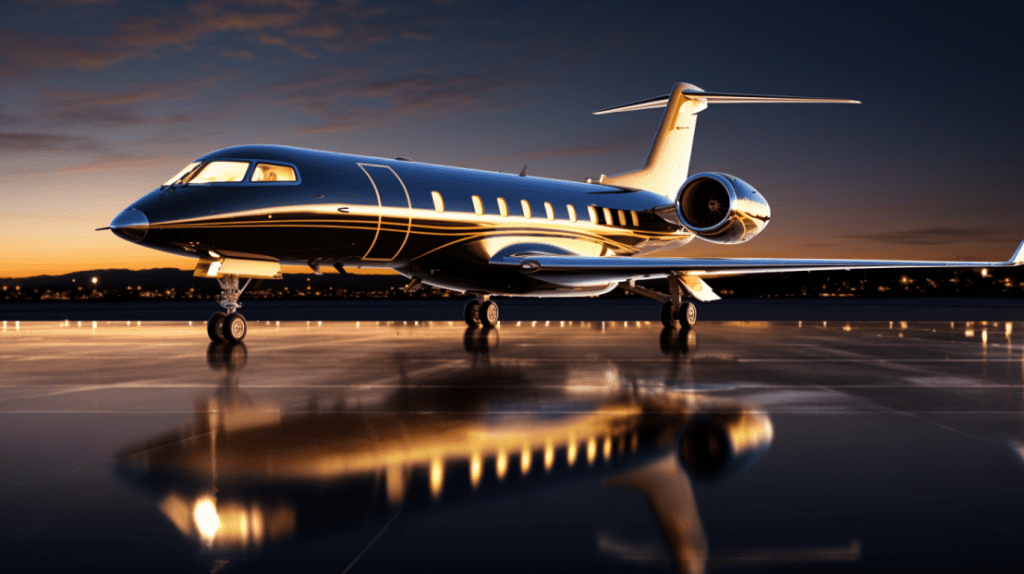
Renting a private jet offers a very uniqueed luxury, convenience, and flexibility when it comes to air travel. However, one of the first questions that come to mind for many is: how much does it really cost to rent a private jet? The answer is not as straightforward as it may seem. The cost of renting a private jet can vary widely depending on a variety of factors, from the type of aircraft to the destination, flight duration, and additional services.
In this article, we’ll explore the various factors that influence the cost of renting a private jet, provide insights into different pricing structures, and give you an idea of what to expect when planning your private jet travel.
Factors Affecting the Cost of Renting a Private Jet
The cost of renting a private jet is influenced by several key factors. Here’s a breakdown of the most significant ones:
- Aircraft Type
The type of aircraft you choose plays a major role in determining the cost of renting a private jet. There are several categories of private jets, each with its own price range:
- Light Jets: Light jets are typically smaller and more economical, offering seating for up to 6 passengers. They are ideal for shorter flights and tend to be the most affordable option for private jet rentals.
- Midsize Jets: Midsize jets offer more space and comfort, seating up to 8 passengers. They are suitable for medium-distance flights and provide a balance between cost and luxury.
- Heavy Jets: Heavy jets are larger aircraft designed for long-haul flights. These jets can seat 10 or more passengers and offer the highest level of comfort and amenities. However, they come at a premium price due to their size and long-range capabilities.
- Ultra-Long-Range Jets: These jets are designed for intercontinental travel and are equipped with luxury amenities for extended flights. They are the most expensive option due to their range and capacity.
The choice of aircraft affects not only the hourly rental cost but also additional expenses such as fuel and crew.
- Flight Duration
The length of your flight is a major factor in the cost of renting a private jet. Most private jet rental companies charge by the hour, with rates varying based on the aircraft type and flight duration. For shorter flights, you can expect to pay anywhere from $2,000 to $6,000 per hour for light jets, while longer flights can cost upwards of $10,000 per hour for heavy jets.
It’s important to consider that private jet rentals typically have a minimum flight time requirement, often ranging from 2 to 4 hours. This means that even if your flight is shorter, you may still be charged for the minimum time.
- Distance and Destination
The distance you’re traveling also impacts the overall cost of renting a private jet. Longer flights require more fuel and crew time, which increases the price. Additionally, if you’re flying to a remote or international destination, you may encounter additional fees such as landing fees, customs, and fuel surcharges.
International flights, in particular, can be significantly more expensive due to factors like airport handling fees, fuel costs, and the need for customs clearance.
- Additional Costs
In addition to the hourly rental rate, there are several other costs that can add up when renting a private jet. Some of these hidden costs include:
- Landing Fees: Airports charge landing fees for private jets, which can vary depending on the airport and location.
- Crew Fees: Private jet rental companies typically include the cost of the flight crew in the hourly rate. However, if the flight duration exceeds a certain time frame, you may be charged for additional crew hours.
- Fuel Surcharges: The cost of fuel is one of the biggest expenses for private jet operators. Fuel surcharges may apply based on the distance and current fuel prices.
- Catering and Amenities: If you request in-flight catering or additional services, such as Wi-Fi, ground transportation, or concierge services, these costs will be added to your bill.
- Empty Leg Flights
One way to reduce the cost of renting a private jet is to consider booking an “empty leg” flight. Empty leg flights occur when a jet needs to return to its base or fly to another location without passengers. These flights are often discounted, as they would otherwise go unused. By booking an empty leg flight, you can enjoy significant savings on your private jet rental.
Private Jet Rental Pricing Structures
Private jet rental companies may offer different pricing structures depending on the level of service and flexibility you require. The most common pricing structures include:
- Hourly Rates
The most common pricing model for private jet rentals is the hourly rate. As mentioned earlier, rates vary based on the size and type of aircraft, but hourly rates typically range from $2,000 to $10,000 or more per hour. Hourly rates are ideal for clients who need flexibility and may only require a short flight.
- Jet Card Memberships
Jet card memberships are another popular option for those who fly frequently. With a jet card, you pay an upfront fee for a specific number of flight hours, typically ranging from 25 to 50 hours. Jet cards offer discounted hourly rates and the convenience of not having to book flights individually. Memberships often come with added benefits such as priority booking, flexible scheduling, and access to a wider range of aircraft.
- Fractional Ownership
For individuals or companies that plan to use private jets regularly, fractional ownership may be a cost-effective option. Fractional ownership involves purchasing a share of an aircraft, typically ranging from 1/16th to 1/4th of the jet. This allows you to enjoy the benefits of private jet travel without the full cost of owning an aircraft. Fractional ownership typically includes fixed monthly fees and a set number of flight hours.
- One-Way Rentals
If you’re only traveling one way, one-way rentals are an option that can save you money. These rentals allow you to pay for only the flight time you use, rather than the round-trip flight. One-way rentals are often available for empty leg flights, which can offer substantial savings.
Conclusion
The cost of renting a private jet can vary greatly depending on several factors, including the aircraft type, flight duration, distance, and additional services. While private jet travel is undoubtedly a luxurious and convenient option, it’s important to be aware of the various costs involved to make an informed decision. Whether you’re flying for business, leisure, or a special occasion, understanding the pricing structure and the factors that affect cost will help you plan your trip accordingly.
If you’re looking to save on private jet rentals, consider options like empty leg flights, jet card memberships, or fractional ownership. By weighing the options and choosing the right plan for your needs, you can make the most of your private jet experience while staying within your budget.


