


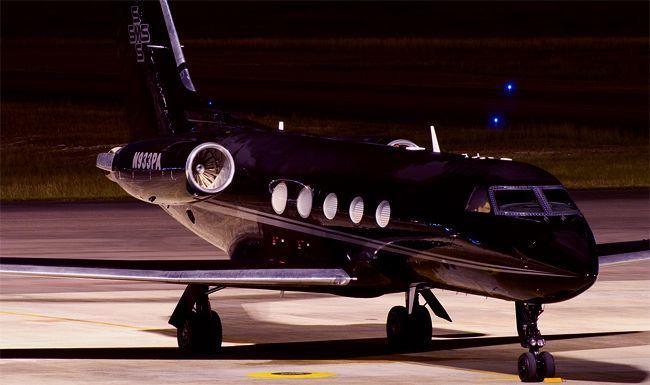
Private aviation has long been synonymous with luxury, exclusivity, and convenience. However, as the aviation industry continues to evolve, so too do the demands of the market. With shifts in consumer behavior, technological advancements, environmental concerns, and a more dynamic global economy, private aviation companies are under increasing pressure to adapt. From embracing sustainability and offering more flexible travel options to incorporating cutting-edge technologies and personalized services, the industry is undergoing a transformation to meet the needs of a new generation of travelers. This article explores how private aviation is responding to these changing market demands and the trends shaping the future of air travel.
The Growing Demand for Sustainability in Private Aviation
One of the most significant changes in the private aviation industry is the growing emphasis on sustainability. As global awareness about climate change and environmental impact rises, consumers are increasingly looking for eco-friendly alternatives in all areas of their lives, including travel. Private aviation, often criticized for its carbon footprint, is not immune to this shift in consumer attitudes. In response, the industry is exploring several ways to reduce its environmental impact and meet the demand for greener flying options.
1. Sustainable Aviation Fuel (SAF)
Sustainable Aviation Fuel (SAF) is one of the most promising solutions to the environmental challenges faced by private aviation. SAF is made from renewable sources, such as waste oils, agricultural residues, and plant-based feedstocks, and has the potential to reduce carbon emissions by up to 80% compared to traditional jet fuel. Many private jet operators and manufacturers are already beginning to incorporate SAF into their fleets, and the market for SAF is growing rapidly. In the coming years, SAF is expected to become a standard fuel option for private jets, offering a greener alternative to fossil fuels without sacrificing performance.
Additionally, several private aviation companies are implementing carbon offset programs, allowing their clients to neutralize the carbon emissions generated by their flights. These programs, which fund initiatives like reforestation and renewable energy projects, provide an additional layer of sustainability for travelers who want to minimize their environmental impact.
2. Electric and Hybrid Aircraft
While fully electric private jets are still in development, the next decade will likely see significant advancements in electric and hybrid aircraft. These technologies have the potential to dramatically reduce the carbon footprint of private aviation. Hybrid aircraft, which combine traditional jet engines with electric motors, are expected to play a key role in reducing emissions, especially on short-haul flights. Several manufacturers are already testing hybrid and electric aircraft prototypes, and the first commercially available electric private jets are expected to enter the market in the near future.
As technology advances, electric aircraft will become more efficient, affordable, and capable of longer-range flights. By the mid-2030s, it is possible that electric aircraft will be a viable option for short to medium-range private jet travel, allowing the industry to significantly reduce its dependence on fossil fuels and lower overall emissions.
Increasing Demand for Flexibility and Personalization
In addition to sustainability, modern private aviation consumers are seeking more flexibility and personalization in their travel experiences. As consumer preferences shift, private aviation companies are adjusting their services to cater to clients who expect more control over their flight experiences and a greater degree of customization.
1. On-Demand Charter Services
Traditionally, private aviation was reserved for those who could afford to own their aircraft, but the rise of on-demand charter services has made private flying more accessible and flexible for a wider range of travelers. Companies like NetJets, VistaJet, and Wheels Up are offering fractional ownership and membership-based models that allow travelers to enjoy the benefits of private jet travel without the full financial commitment of ownership.
This shift toward more flexible, on-demand services has opened up the private aviation market to a broader audience, including business executives, entrepreneurs, and high-net-worth individuals who need flexibility in their travel schedules. Clients can now book private jets for one-off trips or enjoy access to a fleet of aircraft through memberships or fractional ownership, providing a level of convenience and cost-efficiency that was previously unavailable.
2. Tailored In-Flight Experiences
Private jet passengers have always expected a high level of service, but now, there is an increasing demand for more personalized, customized in-flight experiences. Modern private aviation companies are responding by offering customized flight experiences that cater to individual preferences. This includes everything from bespoke catering options to personalized entertainment, on-board wellness services, and specialized seating arrangements.
For example, clients can now request specific cuisines, whether it’s a gourmet meal prepared by a world-class chef or a specialty dish based on their dietary preferences. In-flight entertainment options can be curated to individual tastes, including custom playlists, movies, and even virtual reality experiences. Additionally, wellness-focused amenities, such as sleep pods, oxygen therapy, and massage services, are becoming more common as passengers look to make their flights as relaxing and rejuvenating as possible.
3. Smart Aircraft Technology
Technology is playing a crucial role in enhancing the personalization and flexibility of private jet travel. The integration of smart aircraft systems allows passengers to have more control over their environment and make real-time adjustments to suit their needs. For instance, passengers can use their smartphones or tablets to control lighting, temperature, entertainment, and even request services from the crew.
In the next decade, we can expect even more advanced technologies to make their way into private jets, including AI-powered assistants that anticipate passenger needs, biometric identification systems for seamless boarding, and automated flight management systems that optimize flight paths for maximum efficiency. These innovations will create a more intuitive and personalized flying experience that adapts to the needs of each passenger.
The Role of Technology in Enhancing Efficiency
Technology is also playing a significant role in making private aviation more efficient. As demand for faster and more streamlined services grows, private aviation companies are implementing advanced technologies to optimize flight operations, reduce costs, and improve overall customer satisfaction.
1. Advanced Flight Management Systems
Advanced flight management systems (FMS) are revolutionizing how private jets operate. These systems use real-time data to optimize flight routes, reduce fuel consumption, and improve safety. By analyzing weather patterns, air traffic, and other variables, FMS can help pilots make more informed decisions, leading to shorter flight times and reduced operational costs.
Additionally, FMS can communicate directly with aircraft maintenance systems, providing real-time data about the health of an aircraft and predicting when maintenance is required. This proactive approach helps reduce downtime and increases the overall efficiency of private jet fleets.
2. Artificial Intelligence and Automation
Artificial intelligence (AI) and automation are transforming the private aviation industry in numerous ways. AI-powered systems are being used to enhance everything from flight planning and scheduling to customer service and in-flight experience. By automating routine tasks, such as baggage handling, scheduling, and communications, private aviation companies can streamline operations, reduce human error, and improve overall efficiency.
In the cockpit, automation is helping pilots by providing advanced autopilot systems that reduce workload during flight. In the future, we may see further developments in autonomous aircraft, particularly in smaller private jets. While full autonomy is still years away, we are likely to see increased automation in various aspects of flight operations, making travel smoother and more efficient for both passengers and operators.
3. Blockchain Technology for Secure Transactions
As the private aviation market grows, so does the need for secure, transparent transactions. Blockchain technology is emerging as a solution for ensuring the security and integrity of flight bookings, ownership transactions, and financial dealings within the private aviation industry. Blockchain offers a decentralized, tamper-proof system for recording transactions, which can help prevent fraud, reduce paperwork, and increase trust between private jet operators and clients.
In the coming years, blockchain technology could play a significant role in simplifying private jet bookings, improving the transparency of ownership structures, and ensuring secure financial transactions in the private aviation sector.
Meeting the Demand for New Aircraft and Fleet Upgrades
As the private aviation market continues to expand, there is a growing demand for new aircraft and fleet upgrades. This is driven by several factors, including the desire for more fuel-efficient planes, the need for greater range and comfort, and the increasing trend toward fractional ownership and charter services.
1. New Aircraft Models
Private jet manufacturers are continuously developing new aircraft models to meet the changing demands of the market. These new models are designed to offer greater efficiency, enhanced comfort, and longer ranges, allowing passengers to travel further and more comfortably. Many of these new aircraft also feature the latest in-flight technologies, such as improved cabin designs, advanced entertainment systems, and better noise insulation.
Additionally, private jet manufacturers are focusing on creating aircraft that can be more easily adapted to different types of ownership and charter services. For example, new jets are being designed with modular interiors, allowing for quick reconfiguration depending on the specific needs of the owner or operator.
2. Fleet Upgrades and Retrofitting
For private aviation companies that already operate fleets of older aircraft, there is a growing demand to upgrade or retrofit these planes with the latest technologies. This may include installing new avionics systems, upgrading engines for better fuel efficiency, or improving cabin amenities to meet the expectations of modern travelers.
These upgrades not only help private jet companies stay competitive but also ensure that their fleets remain compliant with evolving regulatory standards, such as emissions targets and noise restrictions. Retrofitting older aircraft with new technologies can also be a more cost-effective solution for companies looking to enhance their fleets without purchasing entirely new aircraft.
Conclusion
The private aviation industry is undergoing significant changes in response to evolving market demands. As consumers seek more sustainable, flexible, and personalized travel experiences, private aviation companies are embracing new technologies, business models, and service offerings to meet these expectations. Whether it’s through the adoption of sustainable fuels, the development of electric and hybrid aircraft, or the integration of advanced AI and automation, the private jet industry is poised for a future that is both more efficient and more luxurious. As the market continues to evolve, private aviation will remain an attractive option for those seeking convenience, comfort, and personalized service, while adapting to the needs and values of a new generation of travelers.


