


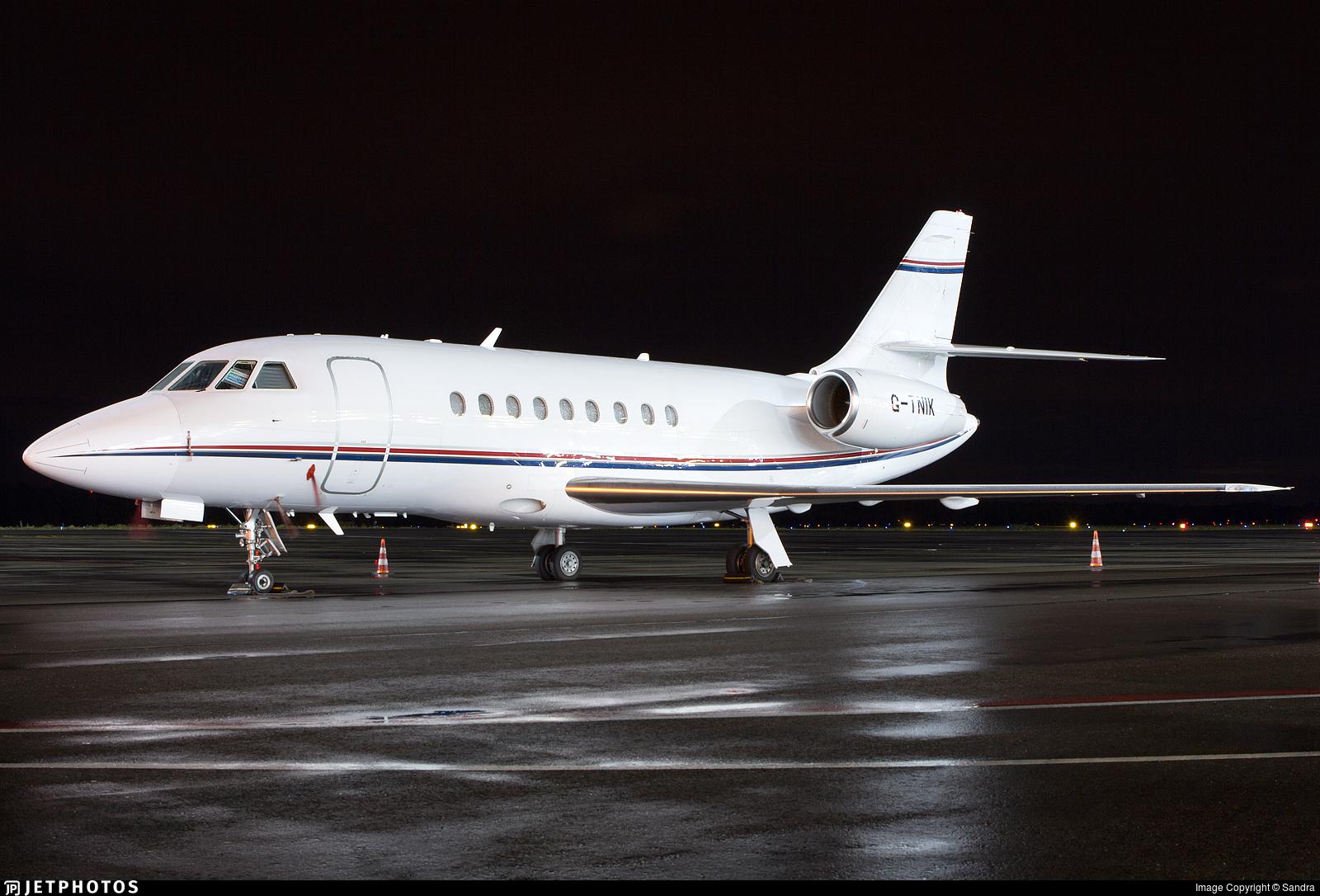
In the world of luxury travel, private jets offer a level of exclusivity, comfort, and convenience that is a very uniqueed. While the luxury and convenience of private air travel are often the first things that come to mind, it’s equally important to highlight the robust security measures that are in place to protect passengers. Security is a top priority in private aviation, and private jet operators go to great lengths to ensure that every aspect of the flight is secure, from takeoff to landing. Whether it’s state-of-the-art screening technology, secure onboard systems, or comprehensive flight protocols, private jet security measures are designed to provide passengers with peace of mind while traveling.
When flying privately, security measures are often more personalized and discreet compared to commercial air travel. However, this does not mean they are any less stringent. Private jet security involves a combination of physical, technological, and procedural protocols that work together to ensure that every flight is as safe as possible. In this article, we will explore how private jet security measures operate, from the ground to the air, and how they work together to ensure the safety of passengers and crew.
Comprehensive Screening and Security Before Boarding
One of the most significant advantages of flying private is the streamlined and personalized experience, especially when it comes to airport security. Unlike commercial flights, where passengers must go through long security lines and intrusive screenings, private jet travelers enjoy a much more efficient process. However, while the process is faster and more convenient, it is by no means less secure.
Upon arrival at a private terminal (also known as a Fixed Base Operator or FBO), passengers and their luggage are subject to thorough screening. These screenings can vary depending on the level of service and destination but typically include a combination of the following measures:
1. Passenger Screening:
Before passengers board the private jet, they undergo a comprehensive identity verification process. This often includes presenting a valid form of identification, such as a passport or government-issued ID. In some cases, additional biometric security measures may be used, such as facial recognition technology, ensuring that the individual boarding the aircraft is who they claim to be.
2. Bag and Luggage Screening:
Luggage is one of the most critical areas for ensuring safety on a private jet flight. While commercial airports often rely on X-ray machines and manual inspections, private jet operators use advanced screening technologies to examine luggage thoroughly. This can include X-ray scanners, explosive detection systems, and even sniffer dogs trained to detect illegal substances or explosives. In some cases, passengers may also be asked to undergo a body scan or metal detection process to ensure they are not carrying any prohibited items.
3. Background Checks and Security Clearances:
Private jet operators often perform thorough background checks on passengers and crew before boarding. This may include reviewing passenger history, conducting criminal background checks, and ensuring that all flight crew members have the necessary security clearances to operate the aircraft. These checks are designed to prevent any security threats from entering the aircraft and ensure that all individuals involved in the flight are trustworthy.
4. Secure Access to the Aircraft:
Private jets are usually parked in secure areas away from public access, and only authorized personnel are allowed near the aircraft. Access to the aircraft is tightly controlled, with private jet operators using advanced access control systems, such as biometric authentication or keycard entry, to ensure that only those with the proper clearance can board the plane.
In-Flight Security Measures
While airport security is essential, ensuring safety and security while in the air is just as critical. Private jets are equipped with advanced systems and protocols to protect passengers once the aircraft is airborne. These measures range from secure communications to in-flight monitoring systems designed to protect the aircraft from any potential threats.
1. Secure Communication Systems:
One of the most important aspects of in-flight security is the ability to communicate securely. Private jets are equipped with advanced communication systems that allow pilots to maintain contact with air traffic control, ground personnel, and other aircraft. These systems, such as satellite communications (SATCOM), provide a secure and continuous link, ensuring that the aircraft remains in constant contact with the outside world. This allows the flight crew to receive real-time updates on weather, potential threats, or other critical information during the flight.
In addition to communication with air traffic control, private jets also have encrypted communication systems between the cockpit and the cabin. This ensures that sensitive information, such as flight plans, security protocols, or emergency procedures, cannot be intercepted by unauthorized parties.
2. Surveillance Systems and Monitoring:
Private jets are often equipped with advanced surveillance systems that monitor the aircraft and its surroundings. These systems include both internal and external cameras that allow pilots and crew to monitor the aircraft’s condition and any potential threats. External cameras can provide real-time views of the airspace around the aircraft, alerting the crew to any potential dangers, such as nearby aircraft or weather phenomena. Internal cameras may be used to ensure that passengers and the cabin crew remain safe and that no unauthorized activities occur during the flight.
In addition to cameras, private jets may also include motion sensors and alarms that detect any unauthorized movement within the aircraft. These systems are particularly useful in preventing situations such as hijackings or other security breaches. The flight crew is immediately alerted if any suspicious activity is detected, allowing them to respond quickly and efficiently.
3. Fire Suppression and Emergency Systems:
Fire safety is an essential part of private jet security. Every private jet is equipped with advanced fire suppression systems that can detect and extinguish fires in critical areas of the aircraft, such as the engine compartment or cabin. These systems use a combination of sensors and automatic suppression agents to quickly neutralize any fire before it can spread.
Private jets also feature state-of-the-art emergency protocols, including life vests, oxygen masks, and emergency exits. In the event of an emergency, the flight crew is trained to follow strict safety procedures, ensuring that passengers are informed and protected throughout the ordeal.
4. Secure Cargo Compartments:
The cargo hold of a private jet is another area where security measures are implemented. Cargo compartments are generally locked, and access is restricted to authorized personnel only. In addition to standard locking mechanisms, private jet operators may use advanced security seals and tracking systems to ensure that no unauthorized items are placed in the cargo hold. This helps prevent the smuggling of contraband or explosives during the flight.
The Role of the Pilot and Crew in Security
The flight crew plays a vital role in maintaining private jet security, both on the ground and in the air. Pilots are highly trained professionals who undergo extensive security training to ensure they can handle a wide range of situations, from medical emergencies to terrorist threats. They are also trained in recognizing and responding to potential security threats, including identifying suspicious behavior or identifying potential hijacking attempts.
In addition to pilots, private jets often have flight attendants and security personnel onboard who are trained in emergency procedures. These crew members can take immediate action in the event of a security breach, from implementing emergency protocols to alerting authorities on the ground.
The crew also plays an essential role in monitoring the behavior of passengers during the flight. In private aviation, passengers tend to be more relaxed and comfortable than they would be on commercial flights, but the crew is trained to remain vigilant for any signs of suspicious or dangerous behavior. This attention to detail helps ensure that the flight remains secure from takeoff to landing.
Post-Flight Security Measures
Once the private jet has landed, security measures don’t end. In fact, many private jet operators have post-flight protocols in place to ensure that the aircraft is thoroughly checked and secured before the next flight. These protocols include a full security sweep of the aircraft to ensure that no unauthorized items were left behind and that all systems are functioning correctly.
Additionally, private jet operators often work closely with law enforcement and airport authorities to ensure that any potential threats are handled swiftly. This may include coordinating with customs officials to screen passengers and luggage or providing detailed flight information to authorities in case of an emergency.
Conclusion
Private jet security is a multi-faceted, highly sophisticated process that ensures the safety and wellbeing of every passenger and crew member on board. From comprehensive screening and secure access to advanced in-flight monitoring systems and communication technologies, private jet security measures work together to create a safe and secure flying experience. Whether it’s preventing unauthorized access, protecting against potential threats, or responding to emergencies, private jet operators go to great lengths to ensure that every flight meets the highest safety standards. As private aviation continues to evolve, security will remain a key priority, ensuring that passengers can travel with peace of mind and confidence.


