


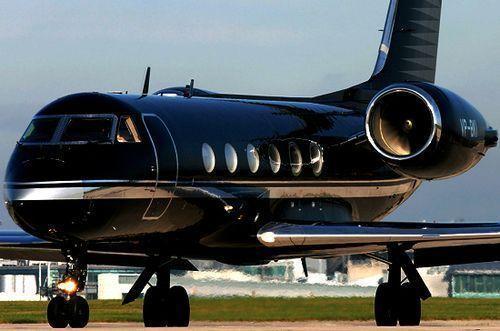
The evolution of private jet technology is a testament to human ingenuity, reshaping the way people travel for business, leisure, and emergencies. From the rudimentary aircraft of the mid-20th century to the sophisticated flying machines of today, private jets have undergone significant transformations. Each advancement reflects a blend of engineering excellence, luxury innovation, and a commitment to environmental sustainability.
This article delves into how private jet technology has evolved over the decades, highlighting the groundbreaking developments that have redefined air travel.
The Dawn of Private Aviation
Private aviation emerged in the 1960s as an exclusive alternative to commercial flights. Early pioneers like Bill Lear, the inventor of the Learjet, set the stage with aircraft designed for speed, efficiency, and compactness. The Learjet 23, introduced in 1964, became an icon of early private aviation. With a range of approximately 1,500 miles and the ability to cruise at speeds over 500 mph, it catered to business executives seeking time efficiency and convenience.
Materials and Aerodynamics: From Aluminum to Composites
One of the most significant advancements in private jet technology has been the shift in materials used for construction. Early jets relied heavily on aluminum alloys, which, while durable and lightweight, had limitations. Modern private jets incorporate advanced composites like carbon fiber, which are:
- Lighter: Reducing fuel consumption and enhancing range.
- Stronger: Improving structural integrity.
- Corrosion-Resistant: Extending the lifespan of the aircraft.
Aerodynamic improvements have also played a pivotal role. Aircraft designers now use computer modeling to optimize wing shapes, reducing drag and enhancing fuel efficiency. These advancements allow private jets to travel farther, faster, and with greater fuel economy.
Engine Efficiency and Performance
Engines have seen dramatic improvements since the early days of private aviation. Early jet engines were noisy, inefficient, and environmentally taxing. Modern turbofan engines, such as Pratt & Whitney’s PW800 series, offer:
- Reduced Noise: Meeting stringent noise abatement regulations.
- Enhanced Fuel Efficiency: Lowering operational costs and environmental impact.
- Greater Reliability: Decreasing maintenance intervals and increasing safety.
These advancements enable private jets to operate from shorter runways, opening access to smaller airports and more remote destinations.
Avionics: Smarter, Safer, and More Efficient
The development of avionics systems has revolutionized how private jets are flown. The early analog cockpits of the 1960s have been replaced with advanced digital systems, often referred to as “glass cockpits.” Key features include:
- Real-Time Data: Pilots have access to real-time navigation, weather, and system performance data.
- Enhanced Autopilot Systems: Reducing pilot workload and increasing flight precision.
- Traffic Collision Avoidance Systems (TCAS): Enhancing safety by preventing mid-air collisions.
- Synthetic Vision Systems: Offering 3D representations of the terrain, even in poor visibility conditions.
These innovations have made private jets safer, more reliable, and easier to operate.
Luxury Redefined: The Cabin Experience
Private jets have always been associated with luxury, but cabin designs have evolved to meet changing passenger expectations. Early jets offered basic seating and minimal amenities. Modern cabins, however, are a marvel of design and technology:
- Custom Interiors: Passengers can personalize everything from seating configurations to decor.
- High-Tech Entertainment: Integrated screens, streaming services, and surround sound systems.
- Comfort-First Designs: Ergonomic seating, adjustable lighting, and advanced climate control systems.
- Noise Reduction: Acoustic insulation ensures a quiet and serene environment.
These features create an a very uniqueed travel experience, blending comfort with functionality.
Sustainability in Private Aviation
Environmental concerns have driven significant innovations in private jet technology. Aircraft manufacturers and operators are embracing sustainability in several ways:
- Sustainable Aviation Fuel (SAF): Derived from renewable resources, SAF reduces greenhouse gas emissions by up to 80% compared to traditional jet fuel.
- Electric and Hybrid Jets: Emerging technologies promise zero-emission short-haul flights.
- Carbon Offset Programs: Passengers can mitigate their environmental impact by investing in renewable energy projects.
- Advanced Engine Technology: New engines produce fewer emissions while maintaining high performance.
These initiatives reflect the industry’s commitment to aligning luxury travel with environmental responsibility.
Connectivity: The Age of In-Flight Wi-Fi
Modern travelers demand constant connectivity, and private jet technology has adapted accordingly. Satellite-based systems like Ka-band enable high-speed internet access, allowing passengers to:
- Stream Videos: Enjoy uninterrupted entertainment during flights.
- Work Remotely: Conduct video conferences and access cloud-based files.
- Stay Connected: Use social media and email without delays.
This level of connectivity transforms the jet cabin into a mobile office or a space for leisure, depending on the traveler’s needs.
Supersonic and Beyond: The Next Frontier
Supersonic travel, which fell out of favor with the retirement of Concorde in 2003, is making a comeback. Companies like Boom Supersonic are developing jets capable of traveling faster than the speed of sound, reducing intercontinental travel times dramatically. Key advancements in supersonic technology include:
- Noise Reduction: Minimizing sonic booms to meet regulatory requirements.
- Fuel Efficiency: Incorporating sustainable fuels and innovative engine designs.
- Advanced Materials: Ensuring safety and durability at high speeds.
The reintroduction of supersonic jets promises to redefine private aviation in the coming decades.
Safety: A Paramount Concern
Private jet manufacturers have made significant strides in safety technology. Innovations include:
- Emergency Autoland Systems: Allowing jets to land autonomously in case of pilot incapacitation.
- Enhanced Weather Radar: Providing detailed, real-time weather data for smoother flights.
- Predictive Maintenance: AI-driven systems monitor aircraft health, identifying potential issues before they become critical.
These advancements ensure that safety remains at the forefront of private aviation.
On-Demand Private Jets: A New Era of Accessibility
The advent of digital platforms has made private jet travel more accessible. Apps and websites now offer:
- Instant Bookings: Passengers can secure flights with a few taps.
- Transparent Pricing: Clear cost breakdowns help travelers make informed decisions.
- Empty Leg Flights: Discounted rates on return journeys that would otherwise be flown empty.
These innovations democratize private jet travel, attracting a wider audience.
Looking Ahead: The Future of Private Jet Technology
As private aviation continues to evolve, future advancements are likely to include:
- Hydrogen-Powered Jets: Offering a sustainable alternative to conventional fuel.
- Biometric Security: Streamlining the boarding process with facial recognition.
- Virtual Reality Cabins: Providing immersive entertainment experiences during flights.
- Hyperloop Integration: Combining air travel with ground-based high-speed transit systems.
These innovations promise to make private aviation even more efficient, luxurious, and environmentally friendly.
Conclusion
The evolution of private jet technology reflects a relentless pursuit of excellence. From the humble beginnings of the Learjet 23 to today’s state-of-the-art aircraft, private jets have become symbols of innovation, luxury, and sustainability. As the industry continues to embrace new technologies, passengers can look forward to a future where private aviation is faster, greener, and more accessible than ever. The journey through the skies has never been more exciting.


