


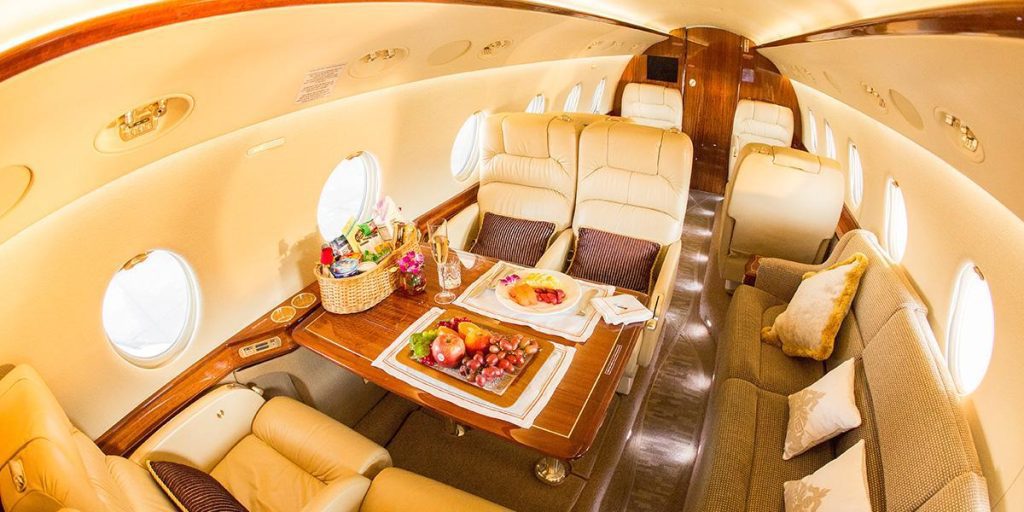
In an increasingly globalized world, where international relations are constantly evolving and the demand for quick, secure, and discreet travel is higher than ever, private jets have become an essential part of the diplomatic landscape. Traditionally seen as a luxury reserved for the wealthy elite, private jets are now a critical tool for governments, diplomats, and world leaders. From facilitating high-stakes negotiations to ensuring the safety and privacy of key political figures, private jets have transformed the way diplomacy is conducted across borders.
The diplomatic world requires flexibility, speed, and security, and private jets offer all of these features, making them the preferred mode of transportation for top government officials. With rising geopolitical tensions, an increasing number of international summits, and the need for rapid responses to crises, private jets have emerged as an invaluable asset in global diplomacy. In this article, we will delve into the growing importance of private jets in diplomatic efforts and examine how they have become an essential component of modern-day international relations.
The Need for Speed and Efficiency in Diplomacy
Global diplomacy often demands swift responses and quick decision-making. Whether it’s dealing with an international crisis, negotiating peace agreements, or attending urgent summits, world leaders and diplomats need to be able to move quickly between countries. The time-sensitive nature of international relations means that traditional forms of travel, such as commercial airlines, are often not fast enough.
Private jets provide the flexibility and speed needed to attend to diplomatic matters on short notice. Unlike commercial flights, which require advanced booking, long lines at check-in, and rigid flight schedules, private jets offer a customized experience that allows diplomats to travel at their convenience. Private jets can be chartered or owned outright, allowing leaders to book flights on short notice and make last-minute changes to their plans. This flexibility is particularly important during high-level negotiations, where the ability to move quickly can make all the difference between success and failure.
Private jets also offer direct flights to smaller, less congested airports, allowing diplomats to bypass crowded major hubs and minimize travel time. This is especially valuable when attending international summits or emergency meetings that require prompt action. With private jets, leaders can land closer to key locations and avoid the delays and complications associated with commercial air travel.
Security and Confidentiality: A Top Priority in Diplomacy
One of the most critical aspects of international diplomacy is the need for security and confidentiality. Diplomatic negotiations often involve sensitive information and high-stakes discussions that must be kept private. Commercial flights, with their public terminals, security lines, and the presence of hundreds of passengers, provide little in the way of privacy. For diplomats and world leaders, this can pose a significant risk.
Private jets provide an elevated level of security and privacy that is essential in the world of diplomacy. On a private jet, diplomats and political leaders are insulated from the public eye, ensuring that they can focus on their work without the risk of being overheard or followed. The aircraft can be equipped with state-of-the-art security features, including secure communication systems, armored cabins, and specialized security personnel to ensure the safety of passengers.
In addition to physical security, private jets offer a safe space for conducting confidential meetings and discussions. Diplomats can hold sensitive conversations while in-flight, knowing that they are shielded from surveillance or eavesdropping. This ability to conduct private meetings on a plane can be particularly important when dealing with delicate negotiations, such as peace talks, trade agreements, or high-level political discussions.
The Role of Private Jets in Facilitating International Summits and Meetings
International summits and meetings are crucial to global diplomacy. These events bring together leaders from across the world to discuss pressing issues, negotiate solutions, and build stronger relationships between countries. However, organizing these summits and ensuring that all participants can attend is a significant logistical challenge, particularly when world leaders are required to travel across multiple time zones.
Private jets have become an essential tool for facilitating the participation of diplomats and heads of state in international summits. Major events, such as the United Nations General Assembly, G7 and G20 summits, and climate change negotiations, require the attendance of numerous world leaders, each with their own tight schedules and varying needs. Private jets allow these leaders to travel efficiently and arrive on time, ensuring that they can attend important meetings without unnecessary delays.
Private jets also provide flexibility in scheduling, which is critical when dealing with high-level diplomatic engagements. Leaders can adjust their travel plans at a moment’s notice, ensuring that they can attend multiple meetings in a single day or extend their stay if needed. This flexibility is particularly valuable in fast-paced diplomatic environments, where the ability to respond quickly to changing circumstances can make a significant impact.
Moreover, private jets enable leaders to arrive at the summit or meeting location in a state of comfort and readiness. Long-haul flights can be exhausting, especially when traveling to different continents. On a private jet, diplomats can rest, work, or prepare for the upcoming discussions, ensuring they are well-rested and prepared for high-level negotiations. This level of comfort and convenience is crucial for maintaining focus and productivity during long international summits.
Enhancing Diplomatic Relationships through Private Jets
In addition to their practical advantages, private jets also play an important role in enhancing diplomatic relationships between countries. Travel in a private jet can symbolize the importance of the relationship between two nations, signaling that high-level diplomatic engagement is taking place. The act of flying together in a private jet can foster goodwill and trust between leaders, helping to strengthen bilateral ties and promote collaboration.
Private jets also provide a platform for more informal, yet still highly significant, diplomatic exchanges. In addition to attending formal meetings, leaders can use private jet travel as an opportunity to engage in more relaxed, off-the-record conversations. These informal discussions can often be just as important as the formal negotiations, as they allow diplomats and heads of state to build rapport and find common ground on issues that may not be addressed in official meetings.
Furthermore, private jets can facilitate diplomatic exchanges in more subtle ways. For instance, hosting a high-profile guest on a private jet can be seen as a gesture of respect and friendship. This personal touch can go a long way in fostering positive diplomatic relations, especially when dealing with international leaders who may have different cultural backgrounds or political ideologies. The ability to personalize the in-flight experience for diplomatic guests adds an extra layer of hospitality and shows that every detail is considered in the pursuit of global diplomacy.
The Flexibility of Private Jets in Crisis Situations
The speed, flexibility, and privacy offered by private jets are particularly valuable in times of international crisis. Whether it’s responding to a natural disaster, a diplomatic emergency, or a sudden geopolitical shift, private jets allow world leaders and diplomats to move quickly and efficiently to address the situation.
In times of crisis, every moment counts. Leaders need to be able to respond to urgent developments without being delayed by the logistics of commercial travel. Private jets enable leaders to get to the scene of a crisis or diplomatic situation swiftly, providing them with the flexibility to change their travel plans as needed.
Private jets also allow for more discreet travel, which can be crucial when dealing with sensitive or high-risk situations. In some cases, the very act of traveling in a private jet can signal a heightened level of urgency or diplomatic importance. This can send a strong message to both allies and adversaries that a situation is being taken seriously and that efforts are being made to resolve it quickly.
The Environmental Impact of Private Jets in Diplomacy
While private jets offer numerous benefits to global diplomacy, there is growing concern about the environmental impact of private aviation. The carbon footprint of private jets is significantly higher than that of commercial flights, and their use has come under scrutiny, particularly in light of the global push for sustainability and climate change action.
To address these concerns, the private aviation industry is exploring ways to reduce its environmental impact. This includes the development of more fuel-efficient aircraft, the use of sustainable aviation fuels (SAFs), and the adoption of carbon offset programs. Many private jet operators are also investing in greener technologies and implementing measures to minimize their environmental footprint.
While these efforts are still in the early stages, they represent a step toward making private jets more sustainable and environmentally friendly. As the world of diplomacy continues to evolve, there will likely be increased pressure on governments and private jet operators to prioritize sustainability and reduce the carbon impact of their travel.
The Future of Private Jets in Global Diplomacy
As global diplomacy becomes increasingly complex, the role of private jets in international relations is likely to expand. The need for secure, efficient, and flexible travel will continue to grow as world leaders face new challenges and diplomatic demands. Private jets will remain an essential tool for facilitating high-level meetings, attending international summits, and responding to global crises.
Technological advancements in aviation, including the development of electric and hybrid aircraft, may also play a significant role in shaping the future of private jets in diplomacy. These innovations could make private jet travel more sustainable and reduce its environmental impact, making it an even more viable option for diplomats and heads of state.
In addition, the growing importance of multilateral diplomacy and the increasing frequency of international meetings will likely ensure that private jets remain a key element in the diplomatic process. Whether it’s negotiating trade agreements, fostering international cooperation, or addressing global challenges such as climate change, private jets will continue to be an invaluable asset in the world of global diplomacy.
Conclusion
Private jets have become an indispensable tool in global diplomacy, offering security, efficiency, flexibility, and the ability to conduct confidential meetings. As the demands of international relations continue to grow, private jets will remain a crucial component of diplomatic efforts. From facilitating international summits to responding to crises, private jets play a pivotal role in shaping the course of global diplomacy, ensuring that world leaders can engage in high-level discussions and decision-making without the constraints of commercial air travel. As the world of diplomacy continues to evolve, private jets will remain an essential asset for fostering international cooperation and achieving diplomatic goals.


