


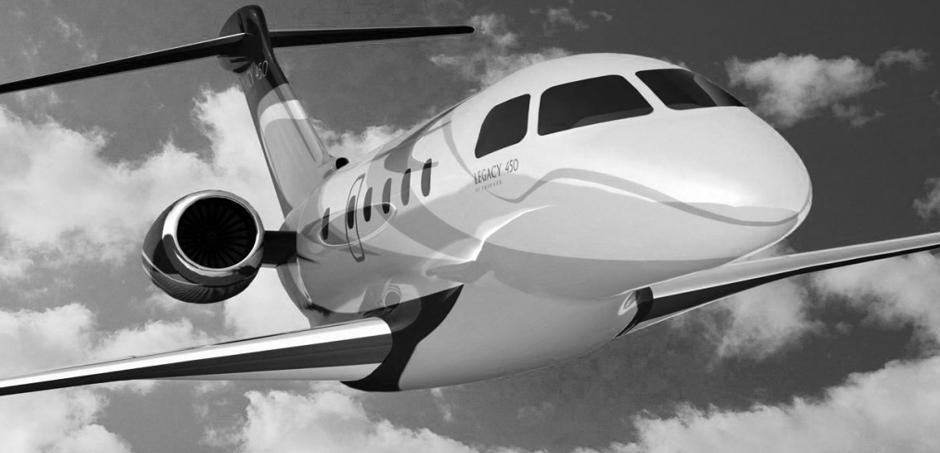
In the fast-paced world of modern business, time is one of the most valuable resources. Companies and their executives are increasingly looking for ways to optimize their time, enhance productivity, and remain competitive in an ever-changing market. Traditional commercial flights, with their rigid schedules, long security lines, and frequent delays, no longer meet the needs of high-level executives. This is where private jets come in, offering a transformative solution to corporate travel. Private aviation is not just a luxury; it is reshaping the future of business travel in ways that were previously unimaginable.
The shift toward private jets for corporate travel is a reflection of the changing dynamics in the business world. As global competition intensifies, businesses must find ways to stay ahead, and private jets offer a strategic advantage. From increased productivity to unmatched flexibility and enhanced security, private jets are becoming an indispensable tool for executives and companies alike. In this article, we will explore how private jets are shaping the future of business travel and why they are quickly becoming the preferred mode of transportation for high-level corporate professionals.
Unprecedented Flexibility for Business Leaders
One of the primary reasons private jets are revolutionizing business travel is the flexibility they offer. Commercial airlines operate on fixed schedules, meaning business executives must plan their travel around available flights. This can result in delays, missed connections, and wasted time spent waiting in airports. Private jets, however, offer a level of flexibility that commercial flights simply cannot match.
With a private jet, business leaders have the freedom to choose when and where they fly. There is no need to book flights weeks or months in advance, and there are no restrictions on departure times or flight routes. Whether it’s an early morning meeting or a last-minute business trip, private jets allow executives to create custom travel schedules that fit their needs.
This level of flexibility is particularly valuable for executives who travel frequently or have tight schedules. Private jets provide the ability to fly on demand, meaning business leaders can avoid the hassle of booking commercial flights and can instead prioritize their time more effectively. Whether it’s for a single meeting or a multi-city trip, private jets provide a seamless and stress-free travel experience that saves time and enhances efficiency.
Additionally, private jets have the ability to access smaller airports that commercial airlines do not serve. This is particularly useful for businesses that operate in regions with limited commercial flight options or require quick access to remote locations. By avoiding major airports and landing closer to business hubs, private jets help executives save valuable time and avoid the congestion and delays that come with commercial air travel.
Maximizing Productivity During Travel
In today’s business environment, staying connected and productive while traveling is essential. However, the realities of commercial flights, such as limited workspace, poor Wi-Fi connectivity, and noisy environments, make it difficult to accomplish much while in transit. Private jets, on the other hand, offer a highly conducive environment for business leaders to remain productive.
Many private jets are equipped with state-of-the-art technology that enables executives to work efficiently during their flights. High-speed Wi-Fi, satellite communications, and advanced multimedia systems allow business leaders to attend virtual meetings, collaborate with team members, and access important files while in the air. The ability to stay connected with colleagues and clients, regardless of location, ensures that no time is wasted during travel.
Furthermore, private jets provide a more comfortable and private environment for work. With spacious cabins, plush seating, and dedicated workspaces, business executives can work in a quiet, distraction-free setting. Unlike the cramped quarters of commercial flights, where passengers are often forced to work in tight spaces with limited legroom, private jets offer a more relaxed and efficient environment for completing tasks, making phone calls, or reviewing documents.
For longer flights, some private jets are equipped with fully functional offices, allowing executives to conduct meetings, finalize presentations, or review contracts while in the air. The ability to maximize productivity during flight time is one of the key advantages of private jets, making them a valuable tool for business professionals who need to make the most of every moment.
Enhanced Security and Privacy
Security and privacy are critical concerns for business leaders, especially those who handle sensitive information or deal with high-profile clients. Traditional commercial flights do not always provide the level of privacy and security that many executives require. With large numbers of passengers and a public environment, there is always a risk of exposure to sensitive information or potential security breaches.
Private jets, on the other hand, offer a high level of security and privacy. With fewer people on board and a controlled environment, executives can travel without the fear of prying eyes or unauthorized access to their personal or business affairs. Security procedures for private aviation are streamlined and customized, ensuring that passengers can bypass long security lines and travel with minimal hassle.
Moreover, private jets offer a greater degree of confidentiality. Executives can hold private meetings, discuss confidential business strategies, or unwind during their flight without worrying about eavesdropping or exposure to third parties. The ability to maintain privacy while traveling is invaluable for business leaders who need to ensure that sensitive information stays protected.
Private jets also provide an added layer of security when it comes to travel logistics. With commercial flights, executives often have to deal with the risks of missed connections, canceled flights, or delays. These issues can disrupt schedules, increase stress, and create potential security concerns. Private jets eliminate these risks, ensuring that business leaders can travel smoothly and securely, without the uncertainties that come with commercial air travel.
Comfort and Luxury in the Sky
In addition to flexibility, productivity, and security, private jets offer an a very uniqueed level of comfort and luxury. For business executives, the travel experience is more than just about getting from point A to point B, it’s about arriving refreshed, focused, and ready to perform. Private jets provide the ultimate in comfort, ensuring that executives can relax, sleep, or entertain during their journey.
The cabins of private jets are designed with luxury in mind, offering spacious seating, plush cushions, and ample room to stretch out and relax. Many jets also come equipped with fully reclinable seats, which can transform into beds, allowing passengers to sleep during long flights. For executives who need to rest before an important meeting or presentation, this level of comfort is crucial.
Private jets are also equipped with a range of amenities that further enhance the travel experience. Gourmet catering, fine wines, and custom menus allow business leaders to enjoy delicious meals customized to their preferences. The ability to choose the food and beverage offerings on board ensures that executives can enjoy a high-quality dining experience while traveling.
In addition to comfortable seating and dining options, private jets also offer entertainment systems, including large-screen TVs, satellite television, and on-demand movies. Whether executives want to unwind with a movie or catch up on the latest news, private jets provide a range of entertainment options to make the journey more enjoyable.
For longer flights, many private jets include additional amenities such as private bathrooms, shower facilities, and even bedrooms. These luxurious features help ensure that business leaders can travel in complete comfort, arriving at their destination feeling relaxed and ready to tackle the challenges of the day.
The Financial Consideration: Cost vs. Value
While private jets are often associated with high costs, they offer significant value for businesses that rely on frequent travel or require the flexibility to meet tight schedules. For many companies, the long-term benefits of private aviation outweigh the initial expense.
When considering the cost of private jets, it’s important to take into account the time savings, increased productivity, and enhanced comfort that they provide. By avoiding the delays and inefficiencies of commercial air travel, private jets allow executives to make the most of their time and remain productive during their journeys.
For businesses with high-level executives who travel regularly or need to attend multiple meetings in different locations, private jets can be more cost-effective than relying on commercial airlines. With the ability to book flights on demand, avoid layovers, and access smaller airports, private jets streamline travel and eliminate the need for additional expenses such as hotel stays, car rentals, and extended business hours.
In the long run, the value of private jets extends beyond just the financial aspects. The ability to maintain a flexible schedule, enhance productivity, and provide a high level of service to clients and partners can lead to stronger business relationships, improved performance, and a more successful business strategy.
Environmental Considerations and Sustainable Aviation
As the demand for private aviation continues to grow, so does the need for sustainable and environmentally responsible travel solutions. The aviation industry has made significant strides in reducing its carbon footprint, and private jets are increasingly adopting greener technologies and practices to mitigate their environmental impact.
One such development is the use of sustainable aviation fuel (SAF), which is derived from renewable resources and offers a significant reduction in carbon emissions compared to traditional jet fuel. Many private jet operators are investing in SAF to help offset the environmental impact of their flights and contribute to a more sustainable aviation industry.
Private jet manufacturers are also designing more fuel-efficient aircraft that consume less fuel and produce fewer emissions. These aircraft are equipped with advanced engines that offer improved performance and reduced fuel consumption, helping to minimize the environmental footprint of business travel.
Additionally, many private jet companies are offering carbon offset programs, allowing businesses to offset the emissions generated by their flights by supporting environmental initiatives such as reforestation, renewable energy projects, and conservation efforts. This gives companies the opportunity to travel more sustainably while still benefiting from the advantages of private aviation.
The Future of Business Travel with Private Jets
As businesses continue to evolve and adapt to the demands of a globalized economy, private jets are poised to become an integral part of corporate travel strategies. With their flexibility, productivity-enhancing features, luxury, and security, private jets offer a clear advantage for companies looking to stay competitive and meet the needs of their executives.
The continued growth of private aviation is expected to reshape the way businesses approach travel, providing companies with the tools they need to remain agile, efficient, and successful. As more organizations recognize the value of private jets, they will increasingly turn to private aviation as a key component of their corporate travel programs.
In conclusion, private jets are not just a luxury, they are the future of business travel. By offering a very uniqueed flexibility, productivity, comfort, and security, private jets are transforming the way executives and companies approach travel. As the demand for more efficient and effective travel solutions grows, private jets will continue to shape the future of business travel, enabling companies to remain competitive and successful in a rapidly changing world.


