


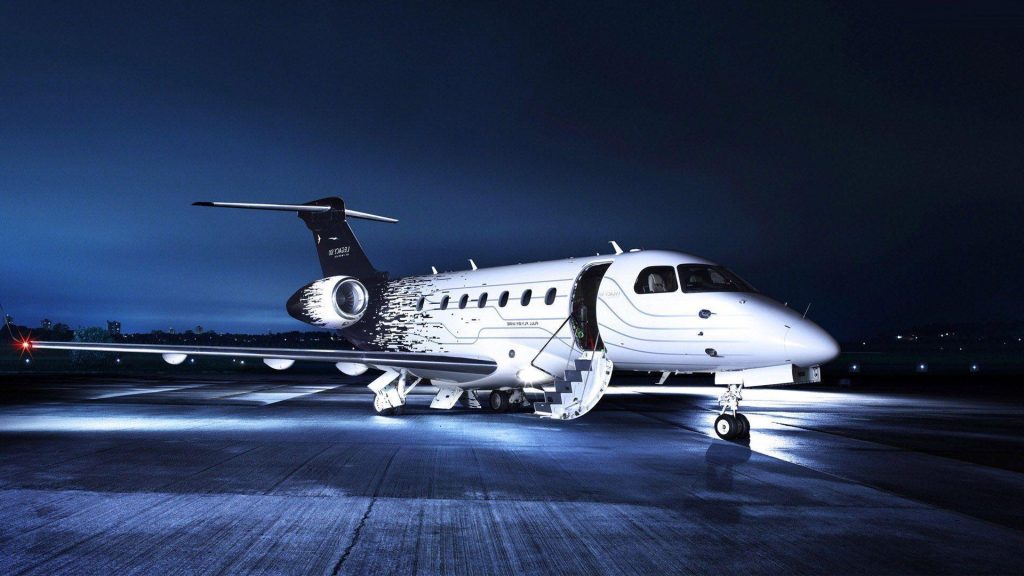
Private jets, often synonymous with luxury and exclusivity, have a lesser-known but highly impactful role in supporting nonprofit initiatives across the globe. By providing rapid transportation, access to remote areas, and logistical flexibility, private jets enable charities, humanitarian organizations, and environmental groups to fulfill their missions more effectively.
In this comprehensive guide, we will delve into the multifaceted ways private jets contribute to nonprofit efforts, showcasing their role in disaster relief, medical missions, wildlife conservation, and more.
The Role of Private Jets in Nonprofit Missions
Private jets offer unique advantages that make them indispensable for nonprofit organizations:
1. Speed and Efficiency
In emergency situations, every second counts. Private jets eliminate delays associated with commercial flights, ensuring timely delivery of aid, personnel, and resources.
2. Access to Remote Locations
Many nonprofit missions involve reaching underserved or isolated communities. Private jets can land in smaller, regional airports or makeshift airstrips that commercial airlines cannot access.
3. Tailored Logistics
Nonprofit organizations often require customized transportation solutions. Private jets offer flexibility in routes, schedules, and cargo capacity to meet specific needs.
4. Privacy and Security
For sensitive missions, such as transporting high-profile personnel or confidential resources, private jets provide a secure environment that minimizes risks.
Key Areas Where Private Jets Support Nonprofit Work
1. Disaster Relief Operations
Natural disasters such as earthquakes, hurricanes, and wildfires often devastate communities, leaving them in urgent need of assistance. Private jets play a crucial role by:
- Transporting emergency response teams to affected areas
- Delivering medical supplies, food, and water
- Evacuating injured or vulnerable individuals
One notable example is the role private jets played in the aftermath of the 2010 Haiti earthquake, where aircraft like Gulfstreams and Learjets were used to airlift supplies and personnel swiftly.
2. Medical Missions
Private jets are invaluable in providing medical care to underserved regions. Their contributions include:
- Transporting doctors, nurses, and medical volunteers to remote clinics
- Delivering life-saving equipment and medications
- Facilitating organ transplants by rapidly transporting organs between hospitals
Organizations like Angel Flight and Orbis Flying Eye Hospital have leveraged private aviation to bring critical healthcare services to those in need.
3. Wildlife Conservation Efforts
Preserving biodiversity often requires immediate action in challenging terrains. Private jets assist by:
- Relocating endangered species to safer habitats
- Delivering supplies to wildlife reserves
- Supporting anti-poaching initiatives by transporting rangers and equipment
For instance, the African Parks Network utilizes private aircraft to relocate species like rhinos and elephants, ensuring their survival in protected environments.
4. Advocacy and Awareness Campaigns
Nonprofit leaders and advocates often rely on private jets to:
- Travel efficiently to multiple locations for speaking engagements
- Organize global fundraising tours
- Connect with stakeholders and partners in different regions
The ability to visit several cities in a short time frame maximizes the impact of their campaigns.
5. Supporting Refugee and Humanitarian Crises
In times of war or displacement, private jets are used to:
- Evacuate refugees from conflict zones
- Transport humanitarian aid to camps
- Reunite families separated by crises
Organizations like the International Red Cross have utilized private aviation to expedite their missions in conflict-affected areas.
Notable Nonprofits Leveraging Private Jets
Several nonprofits and charitable organizations have successfully incorporated private jets into their operations:
1. Direct Relief
This global humanitarian aid organization uses private jets to deliver medical supplies to disaster-hit regions, ensuring rapid response during emergencies.
2. Mission Aviation Fellowship (MAF)
MAF provides critical aviation services to remote communities, focusing on healthcare, education, and disaster relief.
3. Wildlife Conservation Society (WCS)
WCS employs private aircraft to support wildlife surveys, anti-poaching patrols, and species relocation projects.
Partnerships Between Private Aviation Companies and Nonprofits
The growing collaboration between private jet companies and nonprofits has further enhanced the sector’s capabilities. Some key examples include:
1. Donating Flight Hours
Many private jet companies, such as NetJets and Wheels Up, allocate a portion of their flight hours to support nonprofit missions, offering free or discounted services.
2. Financial Contributions
Aviation firms often donate a percentage of their profits to charitable causes, enabling nonprofits to fund their initiatives.
3. Raising Awareness
Private jet operators use their platforms to highlight nonprofit causes, encouraging clients and stakeholders to contribute.
Sustainability and Ethical Considerations
While private jets provide a very uniqueed advantages, they also raise concerns about environmental impact. Nonprofits and aviation companies are addressing these issues by:
- Using sustainable aviation fuel (SAF) to reduce carbon emissions
- Supporting carbon offset programs to balance their ecological footprint
- Investing in newer, more fuel-efficient aircraft
Challenges and Solutions in Using Private Jets for Nonprofit Work
1. High Costs
Private jet operations can be expensive. Nonprofits overcome this by partnering with aviation companies or seeking sponsorships.
2. Logistical Complexities
Coordinating flights, cargo, and personnel requires meticulous planning. Experienced aviation teams ensure smooth operations.
3. Regulatory Barriers
Cross-border missions may face bureaucratic hurdles. Collaborating with local authorities and legal experts helps navigate these challenges.
Inspiring Success Stories
1. Hurricane Harvey Relief
During Hurricane Harvey in 2017, private jets transported over 1,500 rescue animals from affected areas to shelters across the U.S., showcasing their vital role in disaster response.
2. Covid-19 Medical Aid
Private jets were instrumental in delivering vaccines, PPE, and medical staff to remote areas during the pandemic, bridging critical gaps in healthcare access.
3. Protecting Kenya’s Elephants
Private aircraft were used to airlift elephants to safer regions, safeguarding them from poaching threats and habitat loss.
How You Can Support These Efforts
If you’re a private jet owner or frequent traveler, you can contribute to nonprofit missions by:
- Donating flight hours to charities
- Partnering with organizations to offer logistical support
- Advocating for sustainable practices in aviation
Conclusion
Private jets are more than a symbol of luxury, they are a powerful tool for positive change, enabling nonprofits to reach the unreachable and respond to critical needs with unmatched efficiency. From disaster relief to wildlife conservation, private aviation is proving to be a game-changer in the world of philanthropy. By supporting and advocating for these initiatives, we can ensure a brighter future for communities and ecosystems worldwide.


