


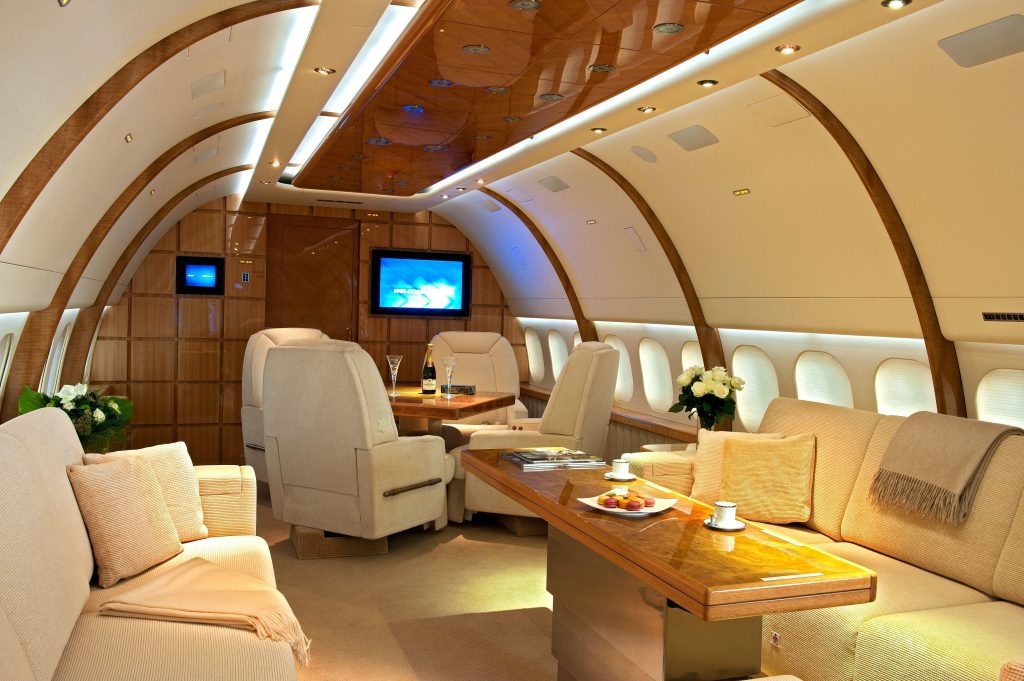
When it comes to luxury air travel, comfort is paramount. Passengers expect an experience that is not only fast and convenient but also relaxing and indulgent. While many aspects of a private jet contribute to this luxurious experience, the seat design plays a crucial role in ensuring that passengers are comfortable throughout the flight. Seats in private jets are not just functional; they are meticulously designed to offer the highest level of comfort, style, and relaxation, making the journey an unforgettable experience.
The process of designing seats for private jets involves careful consideration of various factors such as ergonomics, materials, adjustability, and personalization. These factors come together to create an environment where passengers can rest, work, or dine in comfort. This article delves into the key aspects of private jet seat design and how they contribute to a superior flying experience.
1. Ergonomics: The Foundation of Comfort
The first and most important consideration in private jet seat design is ergonomics. Ergonomically designed seats are built to support the natural contours of the body, promoting healthy posture and reducing the risk of discomfort or fatigue during long flights. Unlike regular airline seats, which are often designed to maximize the number of passengers, private jet seats are custom-built for relaxation and support.
1.1 Seat Shape and Contours
The seat shape is designed to mimic the natural curves of the body, providing support to key pressure points such as the lower back, neck, and thighs. The backrest is often slightly reclined to encourage a natural sitting posture, helping to alleviate strain on the spine and muscles.
To achieve this, seat designers use advanced computer modeling and simulation technology to ensure that each seat is perfectly shaped to fit the human body. This technology allows designers to create seats that not only look appealing but also provide the most effective support for the passenger’s comfort.
1.2 Lumbar Support
A key feature in private jet seats is lumbar support. The lower back, or lumbar region, is one of the most common areas where people experience discomfort during long periods of sitting. Private jet seats are equipped with adjustable lumbar support, which allows passengers to customize the level of support to their individual needs. Whether a passenger prefers a gentle curve or a firmer support, the lumbar feature ensures that the back remains comfortable and aligned throughout the flight.
1.3 Neck and Head Support
Long flights can cause stiffness and discomfort in the neck and shoulders, especially if the head is not properly supported. To combat this, private jet seats often feature integrated headrests that provide ample support for the neck and head. These headrests are adjustable, allowing passengers to find the most comfortable position, whether they are sitting upright or reclining.
Some seats are even designed with additional neck pillows or memory foam inserts for added comfort. These pillows are specially shaped to support the neck and head while reducing pressure points, helping passengers relax and sleep during the flight.
2. Material Selection: Luxury and Comfort Combined
The materials used in private jet seats are crucial to both comfort and aesthetic appeal. High-quality materials are selected not only for their appearance but also for their ability to provide a soft yet supportive seating experience. Materials such as leather, suede, and velvet are common in private jet seats, chosen for their luxurious look and feel. However, the comfort factor goes beyond just the surface material.
2.1 Memory Foam Padding
One of the most common materials used in private jet seating is memory foam. This material conforms to the body’s shape, providing personalized support and comfort. Memory foam helps to distribute the body’s weight evenly, which reduces pressure points and minimizes the risk of discomfort, even on long flights. This padding is often used in the seat cushion as well as the backrest and armrests, ensuring that every part of the seat is supportive and comfortable.
2.2 High-Quality Leather Upholstery
Leather is a popular choice for private jet seat coverings because of its durability and luxurious appearance. It is soft to the touch and provides a high level of comfort for passengers. Leather is also a breathable material, which helps regulate temperature and prevent the seat from becoming too hot or too cold. In some jets, high-quality leather is combined with other materials, such as silk or cashmere, to provide an extra level of softness and opulence.
2.3 Suede and Fabric Finishes
In addition to leather, some private jet seats feature suede or plush fabric finishes, which offer a softer, more tactile feel. These materials provide an alternative to leather, allowing passengers to choose the texture that best suits their preferences. Suede is often used for its smooth, velvety texture, while fabric finishes are designed to offer a sophisticated and stylish look.
2.4 Custom Materials
For the truly discerning traveler, some private jets offer bespoke seat materials. This can include custom-designed fabrics, exotic leathers, or even materials sourced from around the world. Whether it’s an ultra-soft Italian leather or a luxurious fabric woven with fine threads, these custom materials ensure that each seat is not only functional but also a piece of art.
3. Seat Adjustability: Tailoring to Individual Preferences
One of the major advantages of private jet seats is their adjustability. Unlike commercial airline seats, which have limited movement, private jet seats can be adjusted in multiple ways to ensure that passengers are comfortable throughout the entire flight.
3.1 Reclining Functionality
Reclining seats are a must for passengers who want to relax or sleep during a flight. Many private jet seats have a fully reclining feature, allowing passengers to adjust the angle of the seatback to their preferred position. Some seats even offer the option to lie flat, which is ideal for long flights or for those who want to rest or nap comfortably.
3.2 Seat Width and Legroom
Private jet seats are designed with extra space in mind, offering more width and legroom than commercial airplane seats. This ensures that passengers can stretch out and relax without feeling cramped. The extra space is particularly appreciated on longer flights, where passengers may spend extended periods of time seated. For added comfort, many private jet seats also offer adjustable footrests and leg supports, allowing passengers to customize their seating position further.
3.3 Armrests and Footrests
In addition to adjustable backrests and cushions, many private jet seats feature adjustable armrests and footrests. These additions are crucial for providing total comfort, particularly during extended flights. Armrests can be adjusted to the right height for optimal support, while footrests ensure that passengers can maintain a relaxed posture, avoiding any pressure on the lower back or legs.
4. Advanced Features: Enhancing the Seat Experience
Beyond the basics of ergonomics and materials, private jet seats are often equipped with advanced features that enhance the overall seating experience. These features are designed to offer a higher level of comfort, convenience, and luxury for passengers.
4.1 Massage and Heating Functions
Some private jet seats come with built-in massage and heating functions. These features can help relax the muscles and alleviate any tension or discomfort during the flight. Massage settings are often customizable, allowing passengers to choose from a variety of techniques such as kneading, tapping, or rolling, providing a spa-like experience in the sky.
Similarly, seat heating options are particularly appreciated during colder flights. Passengers can adjust the level of warmth to their comfort, ensuring that they stay cozy during the entire journey.
4.2 In-Seat Entertainment and Connectivity
Many private jet seats are equipped with in-seat entertainment systems, allowing passengers to enjoy movies, music, or live TV during the flight. Touchscreen interfaces, noise-canceling headphones, and personal monitors are often included, creating a fully immersive entertainment experience.
Additionally, private jet seats often come with power outlets and USB ports, ensuring that passengers can charge their devices and stay connected throughout the flight. For business travelers, some jets even offer high-speed internet and video conferencing capabilities, making it easy to work during the flight.
4.3 Personalized Features
One of the most luxurious aspects of private jet seats is the ability to personalize the seating experience. Passengers can choose the exact configuration of their seats, from the color of the upholstery to the specific type of cushioning. Custom embroidery, monogramming, and even personalized amenities such as travel kits can be added to create a truly unique flying experience.
5. Conclusion
Designing seats for private jets is an intricate and highly specialized process that combines luxury, functionality, and cutting-edge technology. From ergonomic support to high-quality materials and advanced features, every element of the seat is designed to enhance passenger comfort. Whether it’s the fully reclining seats, the custom upholstery, or the massage functions, private jet seats are engineered to provide an experience that is second to none. For those seeking the ultimate in air travel comfort, private jet seats are the summery of luxury, ensuring that passengers can relax, rest, or work in the utmost comfort throughout their journey.


