


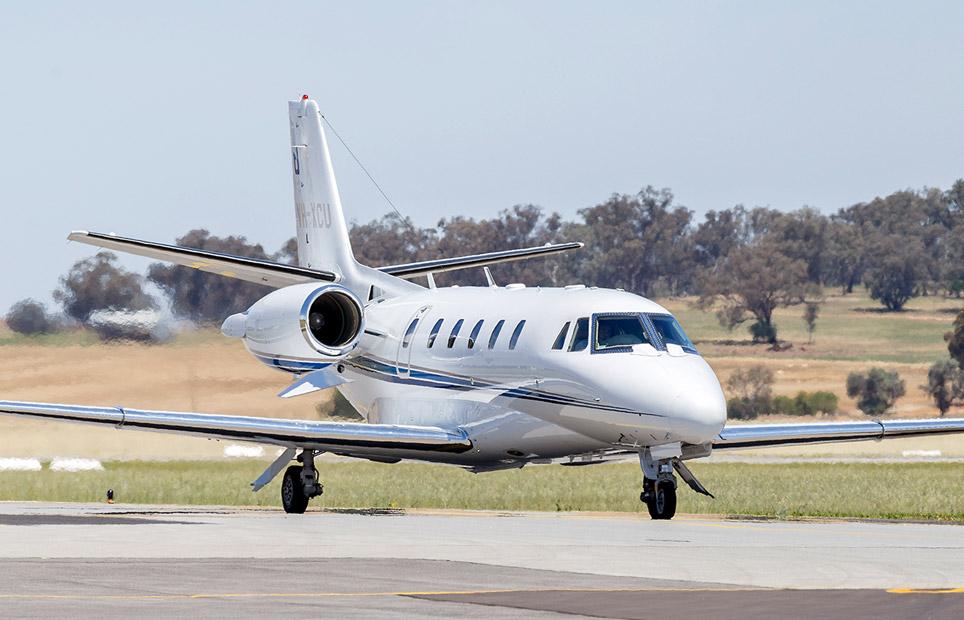
The private aviation industry has undergone significant transformations in recent years, with technological advancements playing a pivotal role in improving both safety and efficiency. While private jets have always offered an elite level of luxury and convenience, technology is now making air travel safer, more efficient, and accessible than ever before. From cutting-edge avionics to artificial intelligence (AI) systems, a wide range of innovations is enhancing the way private jets operate, giving passengers and pilots greater peace of mind.
In this article, we will explore how technology is revolutionizing private jet safety and efficiency, and the ways in which these advancements are reshaping the private aviation experience.
Advancements in Avionics Systems
One of the key areas where technology is improving private jet safety is in the realm of avionics. Avionics refers to the electronic systems used in aircraft to control flight, navigate, and communicate. These systems have evolved significantly over the years, with modern private jets now equipped with highly advanced avionics packages that improve both safety and operational efficiency.
The introduction of digital flight control systems, synthetic vision systems, and enhanced ground proximity warning systems (EGPWS) has made private aviation safer than ever before. Synthetic vision systems, for example, provide pilots with a 3D view of the terrain and any potential obstacles, even in poor visibility conditions. This helps to prevent accidents caused by pilot error and reduces the risk of collisions during flight.
Additionally, advanced autopilot systems can now handle a larger portion of the flight, reducing pilot workload and the potential for human error. These systems can make automatic adjustments to altitude, speed, and flight path based on real-time data, ensuring smooth and efficient operations. With more automation in the cockpit, pilots can focus on higher-level decision-making, enhancing overall flight safety.
AI and Machine Learning for Predictive Maintenance
Another area where technology is improving both safety and efficiency is predictive maintenance. Private jet operators can now use artificial intelligence (AI) and machine learning (ML) algorithms to monitor aircraft performance in real-time and predict when maintenance will be required. This helps to prevent mechanical failures before they occur and ensures that aircraft are always in optimal working condition.
AI-powered systems analyze data from a wide range of sensors installed throughout the aircraft, such as engine performance, fuel usage, and flight data. These systems can detect patterns that indicate potential issues, alerting maintenance crews before problems escalate. By identifying potential failures in advance, private jet operators can schedule maintenance more effectively, minimizing downtime and improving overall operational efficiency.
Predictive maintenance also extends the life of the aircraft by ensuring that components are replaced or serviced before they fail, reducing costly repairs and improving safety. This proactive approach to aircraft maintenance is transforming how private jets are managed, making flights more reliable and reducing the chances of in-flight technical issues.
Enhanced Communication Systems
Communication is another critical aspect of private jet safety and efficiency, and technology is enhancing how pilots and passengers stay connected during flights. Modern private jets are equipped with satellite communication systems that provide high-speed internet access and real-time communication with ground control. These systems ensure that pilots can stay in constant contact with air traffic control and receive weather updates, flight path adjustments, and emergency assistance if necessary.
In addition to improving communication between the cockpit and ground control, satellite communication systems also allow passengers to stay connected during their flight. High-speed internet access, in-flight entertainment options, and the ability to communicate with colleagues or family members make the private jet experience more enjoyable and productive. This connectivity is especially important for business travelers who rely on staying connected to the office while in the air.
Furthermore, real-time communication between the aircraft and ground support teams ensures that any potential issues can be addressed promptly. This capability allows for quick response times in the event of an emergency or unexpected situation, enhancing safety and efficiency throughout the flight.
Real-Time Flight Tracking and Management
Advancements in flight tracking technology have also contributed to increased safety and efficiency in private aviation. Through GPS-based tracking systems, private jets can be monitored in real-time, providing accurate location data to both operators and air traffic control. This enables better coordination between aircraft and allows for more efficient flight routes.
With real-time tracking, private jet operators can optimize flight plans by avoiding congested airspace and minimizing delays. This not only saves time but also reduces fuel consumption, making flights more efficient and environmentally friendly. Additionally, flight tracking systems provide detailed flight data, allowing operators to make informed decisions regarding routing, fuel stops, and overall flight strategy.
For safety purposes, real-time flight tracking also enables ground control to monitor aircraft progress and identify any deviations from the planned flight path. If an aircraft goes off course or experiences an emergency, the tracking system alerts both the pilot and air traffic control, enabling rapid response and coordination.
Collision Avoidance Systems
Safety is always the top priority in aviation, and technology has made significant strides in improving collision avoidance systems in private jets. One of the most important systems in this area is the Traffic Collision Avoidance System (TCAS). TCAS uses radar to detect nearby aircraft and provides the pilot with warnings if there is a risk of collision. The system also suggests evasive maneuvers, such as climbing or descending, to avoid potential collisions.
Newer private jets are also equipped with Automatic Dependent Surveillance–Broadcast (ADS-B) systems, which allow aircraft to broadcast their position and receive information about nearby aircraft. ADS-B is part of a broader initiative to improve air traffic control and reduce the risk of mid-air collisions. By providing real-time location data to both pilots and air traffic controllers, ADS-B improves situational awareness and enhances safety in busy airspace.
Enhanced Security Measures
As security concerns in aviation continue to evolve, technology has played a crucial role in improving the safety of private jet flights. Private jets are now equipped with advanced security systems, including biometric identification, encrypted communication channels, and sophisticated surveillance systems. These measures help to ensure that only authorized individuals have access to the aircraft and that all communication between the aircraft and ground control is secure.
Biometric identification systems, such as fingerprint or facial recognition, are becoming increasingly common in private jet terminals, streamlining the check-in process while enhancing security. These systems reduce the risk of unauthorized access to the aircraft and provide an added layer of protection for passengers.
In addition to physical security, cyber threats are becoming a growing concern in aviation. To address these risks, private jet operators are implementing robust cybersecurity measures to protect sensitive data, communications, and flight control systems from cyberattacks. Encrypted communication channels and secure data transfer protocols ensure that all information exchanged between the aircraft and ground control remains confidential and protected.
Fuel Efficiency and Environmental Impact
Technology is not only improving the safety and efficiency of private jets but also making air travel more environmentally friendly. Advanced engine technology and aerodynamic designs have led to significant improvements in fuel efficiency, reducing carbon emissions and the environmental impact of private aviation.
Newer private jets are designed with fuel-efficient engines that use less fuel per mile traveled. Additionally, innovations in materials and design have resulted in lighter aircraft that require less fuel to operate. These advancements not only reduce the environmental footprint of private jets but also contribute to lower operating costs for private jet operators.
Furthermore, private jet manufacturers are increasingly exploring sustainable aviation fuels (SAFs), which are made from renewable sources such as plant oils or waste products. SAFs have the potential to significantly reduce the carbon emissions of private jets, making them a more sustainable option for air travel.
Conclusion
Technology is playing a transformative role in the private jet industry, improving both safety and efficiency in ways that were once unimaginable. From advanced avionics systems and AI-powered predictive maintenance to enhanced communication tools and fuel-efficient technologies, these innovations are reshaping the future of private aviation.
As private jet technology continues to evolve, passengers can look forward to even safer, more efficient, and environmentally friendly flights. Whether it’s through automated systems that reduce pilot workload or cutting-edge safety features that enhance situational awareness, technology is ensuring that private aviation remains at the forefront of the industry.
With ongoing advancements in technology, the sky is the limit for private jet travel, offering a very uniqueed safety, efficiency, and comfort for those who demand the best in luxury air travel.


