


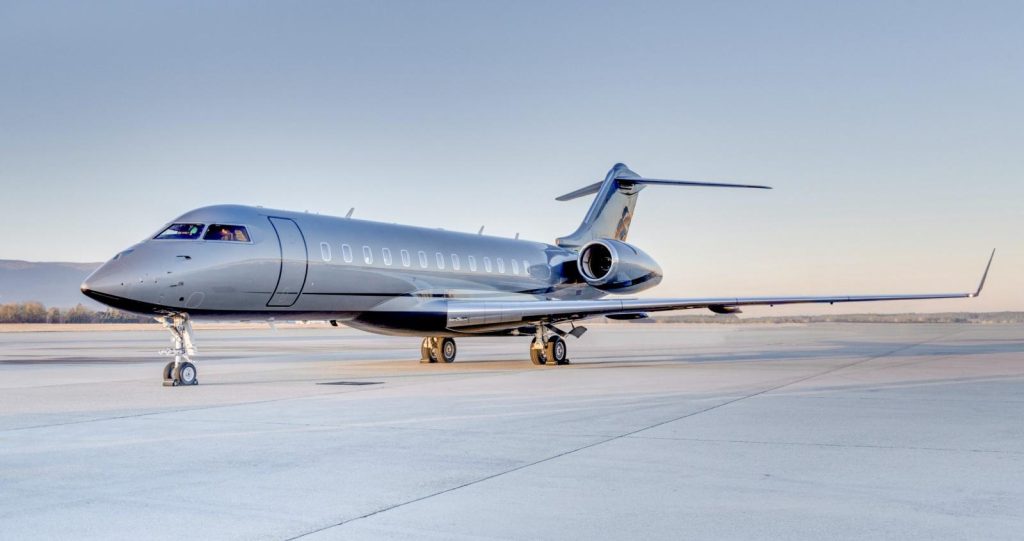
The world of private jet travel has always been synonymous with luxury, exclusivity, and high status. However, in recent years, technology has begun to revolutionize this industry, bringing about changes that enhance convenience, comfort, and efficiency. From seamless booking systems to advanced in-flight entertainment, sustainability initiatives, and improvements in safety and security, technology is fundamentally transforming how private jet travelers experience the skies. These innovations not only provide more personalized experiences for passengers but also open up new possibilities for the future of private aviation. In this article, we will explore how technology is reshaping private jet travel and the many ways it benefits both passengers and the aviation industry as a whole.
1. Simplified Booking and Access
One of the most significant changes technology has brought to the private jet industry is the simplification of the booking process. Gone are the days of needing to go through a concierge or a private jet broker to book a flight. With the advent of online platforms and mobile apps, booking a private jet has become just as simple as booking a commercial flight.
Various private jet charter companies have developed user-friendly apps and websites that allow passengers to quickly search for available jets, compare prices, and even book their flights with a few clicks. These platforms often provide real-time availability and offer a range of options, from booking individual seats on shared jets to chartering an entire aircraft for private use. Some services also allow users to book one-way flights, multiple legs, or customize their itineraries based on their preferences. The convenience of being able to book a flight on-demand has made private jet travel more accessible and hassle-free for business executives, celebrities, and even occasional leisure travelers.
In addition to simplifying the booking process, technology has also led to innovations in payment methods. Most private jet charter companies now accept digital payments, allowing passengers to pay via credit card, bank transfer, or even cryptocurrency in some cases. This flexibility ensures that booking a private jet is as easy as making an online purchase, eliminating the need for traditional payment methods and reducing delays in the process.
2. Improved Safety and Security Features
Safety is always a top priority in aviation, and technology is playing a key role in enhancing the safety of private jet travel. From advanced navigation systems to real-time weather updates and flight monitoring, technology has significantly improved the ability of pilots to navigate safely and efficiently.
One of the most notable safety advancements is the implementation of Automatic Dependent Surveillance-Broadcast (ADS-B) technology. This system allows aircraft to broadcast their position, velocity, and other key data to air traffic controllers and nearby aircraft in real-time, improving situational awareness and reducing the risk of collisions. This technology has been especially important in the private jet sector, where aircraft often operate outside of controlled airspace and rely heavily on accurate data to ensure safe travel.
In addition to ADS-B, private jets are also equipped with advanced weather radar systems that provide real-time weather updates and predictive storm tracking. This technology allows pilots to adjust flight paths in response to changing weather conditions, improving passenger comfort and reducing the risk of turbulence or severe weather encounters.
Moreover, private jets are increasingly equipped with biometric screening and advanced security systems to enhance passenger security. These systems include facial recognition technology and touchless biometric scanners that enable faster, more accurate identification of passengers, improving both security and efficiency during the boarding process. Additionally, many private jet companies have adopted enhanced screening procedures for baggage and cargo, ensuring that all items on board meet the highest security standards.
3. Enhanced In-Flight Comfort and Entertainment
One of the key attractions of private jet travel is the ability to enjoy a luxurious and comfortable flying experience, and technology has played a crucial role in enhancing in-flight comfort. From customizable seating options to cutting-edge entertainment systems, technology has transformed how passengers experience private aviation.
Modern private jets now feature advanced seating systems that can be adjusted to suit individual preferences. Passengers can recline their seats into fully flat positions, choose between soft or firm settings, and adjust temperature and lighting to create the perfect atmosphere. In some private jets, passengers can even control their seat settings using a mobile app, giving them full control over their comfort during the flight.
Another major improvement in private jet travel is the advanced in-flight entertainment systems now available on many aircraft. Passengers can enjoy high-definition screens, streaming services, and a wide range of entertainment options, including movies, TV shows, music, and games. Some private jets are even equipped with virtual reality (VR) systems that allow passengers to immerse themselves in a completely different world while flying.
Additionally, internet connectivity has become a standard feature on most private jets, allowing passengers to stay connected throughout their flight. With Wi-Fi, email, and video conferencing capabilities, travelers can conduct business meetings, catch up on emails, or simply stay in touch with friends and family. The availability of in-flight internet has made private jet travel more practical and efficient for business travelers who need to remain productive while in the air.
Private jet operators are also incorporating more personalized touches into their in-flight services. For example, some jets now feature customizable lighting that can be adjusted to match the passenger’s mood or preferences, as well as advanced sound systems that create a more immersive and relaxing environment. The combination of luxury, comfort, and personalized service ensures that passengers have an a very uniqueed experience throughout their flight.
4. Fuel Efficiency and Sustainability
As the aviation industry continues to focus on reducing its environmental impact, technology is helping to make private jet travel more sustainable. Many private jet companies are investing in fuel-efficient aircraft and alternative energy sources to reduce their carbon footprint.
One of the most notable technological advancements in this area is the development of electric and hybrid aircraft. While still in the early stages of development, electric and hybrid jets have the potential to significantly reduce the environmental impact of private aviation. These aircraft use electric propulsion systems or a combination of traditional engines and electric power to reduce fuel consumption and emissions.
In addition to electric and hybrid jets, many private jet operators are focusing on improving the efficiency of their existing fleets. This includes investing in more fuel-efficient engines, using lightweight materials to reduce the overall weight of the aircraft, and implementing advanced aerodynamics to improve fuel efficiency. Some private jets are also equipped with advanced systems that optimize flight paths to reduce fuel consumption and minimize emissions, further contributing to sustainability efforts.
Private jet operators are also embracing the use of sustainable aviation fuel (SAF), a renewable alternative to traditional jet fuel that produces fewer emissions and has a smaller environmental footprint. SAF can be used in existing jet engines, making it a viable option for reducing the carbon emissions of private aviation without the need for major changes to aircraft designs.
The adoption of these sustainable technologies is helping to make private jet travel more eco-friendly, addressing growing concerns about the environmental impact of air travel. As technology continues to advance, we can expect to see even more innovations that will help make private aviation a greener and more sustainable mode of transportation.
5. The Rise of Artificial Intelligence and Automation
Artificial intelligence (AI) and automation are also playing a significant role in revolutionizing private jet travel. These technologies are helping to streamline various aspects of private aviation, from flight planning to customer service, and are expected to become even more prevalent in the coming years.
One of the ways AI is being used in private jet travel is through the development of smart flight planning systems. These systems use advanced algorithms to analyze factors such as weather conditions, air traffic, and aircraft performance to determine the most efficient flight paths. This not only helps reduce fuel consumption but also ensures that passengers arrive at their destination as quickly and safely as possible.
AI is also improving the customer service experience in private jet travel. Many private jet companies are using AI-powered chatbots and virtual assistants to provide real-time assistance to passengers, helping them book flights, manage itineraries, and answer any questions they may have. These AI systems can handle a wide range of tasks, allowing customer service teams to focus on more complex issues while ensuring that passengers receive fast and efficient support.
In addition to AI, automation is playing a growing role in private jet travel. Automated systems are being used to streamline tasks such as check-in, baggage handling, and even aircraft maintenance. By automating routine tasks, private jet operators can improve efficiency, reduce human error, and create a smoother overall experience for passengers.
6. The Future of Private Jet Travel
As technology continues to evolve, the future of private jet travel looks brighter than ever. We can expect to see even more advancements in areas such as sustainability, connectivity, and customer service, further enhancing the experience for travelers.
In the coming years, we may see the widespread adoption of fully electric and autonomous private jets, allowing for even greater efficiency and sustainability. These aircraft could operate without the need for a pilot, reducing costs and opening up new possibilities for the industry.
Moreover, as AI and automation continue to advance, private jet operators will be able to offer even more personalized and customized experiences to passengers. With the help of data analytics, private jet companies will be able to predict passenger preferences and offer bespoke services that cater to individual needs, making private jet travel even more luxurious and enjoyable.
Conclusion
Technology has played a pivotal role in transforming the private jet industry, revolutionizing the way we experience air travel. From streamlined booking processes to advanced in-flight services, improved safety features, and sustainability initiatives, technology is making private jet travel more accessible, efficient, and enjoyable than ever before. As the industry continues to evolve, we can expect to see even more innovations that will shape the future of private aviation, offering travelers an a very uniqueed level of luxury and convenience. Whether it’s through smarter flight planning, eco-friendly aircraft, or enhanced customer service, technology is ensuring that private jet travel remains at the forefront of luxury transportation for years to come.


