


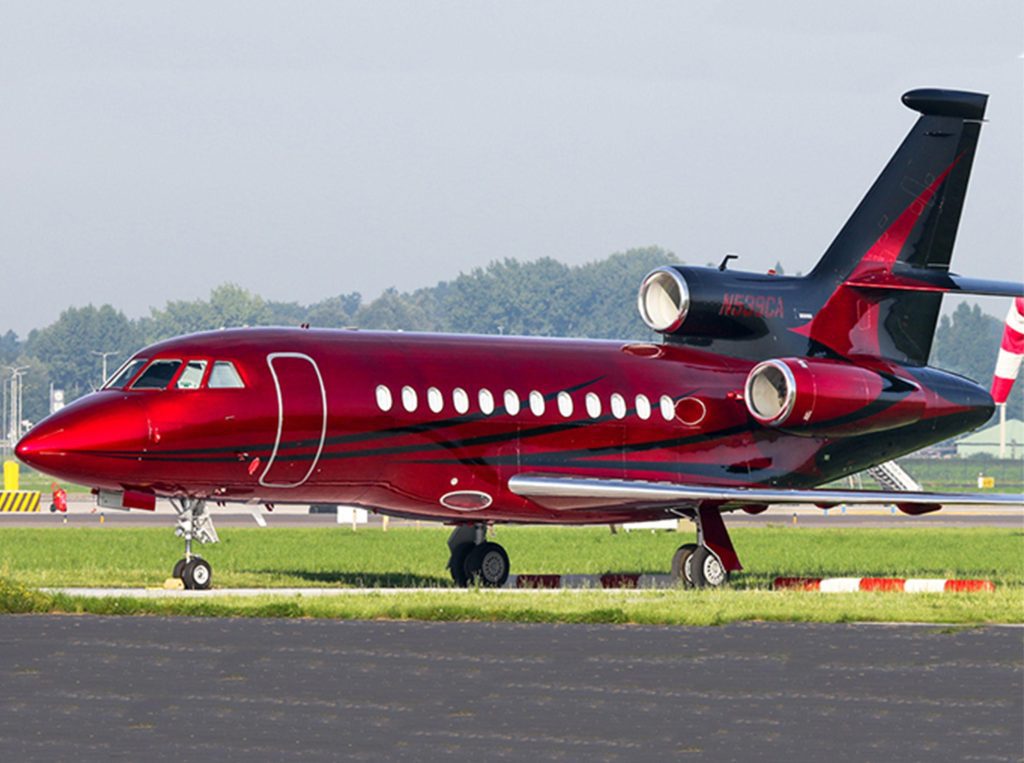
Jet lag is one of the most common issues travelers face when flying across multiple time zones. The fatigue, disorientation, and discomfort caused by jet lag can significantly affect the quality of your trip, whether you’re flying for business or leisure. Although jet lag is a common problem for all travelers, private jet passengers have several advantages when it comes to managing its effects. With personalized services, a comfortable cabin environment, and more flexibility, you can minimize the impact of jet lag and arrive at your destination feeling rested and ready to take on the day. In this article, we’ll explore expert tips on how to beat jet lag when traveling on a private jet, ensuring that you stay energized and refreshed throughout your journey.
- Understanding Jet Lag and Its Impact
Jet lag occurs when your body’s internal clock, or circadian rhythm, gets misaligned with the time zone you’re in. Our circadian rhythm is responsible for regulating key functions, such as sleep-wake cycles, body temperature, and hormone production. When you travel across multiple time zones, especially by air, it can take a while for your body to adjust to the new time zone. This misalignment leads to symptoms like fatigue, irritability, difficulty sleeping, and even digestive issues.
Jet lag can affect anyone, but the severity of the symptoms depends on several factors, including the number of time zones you cross, the direction of your travel, and your body’s ability to adjust. Traveling eastward (e.g., from New York to Paris) tends to result in more severe jet lag compared to traveling westward (e.g., from New York to Los Angeles). The reason is that when flying eastward, your body needs to advance its internal clock, which is more challenging than delaying it.
While jet lag is a challenge for all travelers, private jet passengers have unique opportunities to beat jet lag with some strategic planning. Here are expert tips to help you manage jet lag and make your private jet experience even more luxurious and restful.
- Gradually Adjust Your Sleep Schedule
One of the most effective ways to reduce jet lag is to gradually adjust your sleep schedule before you even step onto the plane. By shifting your internal clock in the days leading up to your flight, you give your body a better chance to adjust to the time zone of your destination.
For Eastward Travel: If you’re traveling eastward, such as from New York to London, you should aim to go to bed one hour earlier each night for several days leading up to your flight. This will help advance your internal clock to match the time zone you will be entering. Ideally, start adjusting your sleep schedule about three days before your flight.
For Westward Travel: If you’re traveling westward, such as from London to New York, you should aim to go to bed one hour later each night. This helps your body delay its internal clock to match your destination’s time zone.
Light Exposure: The timing of light exposure can help you adjust your circadian rhythm. For eastward travel, try to expose yourself to bright light in the morning and avoid light in the evening. For westward travel, try to get plenty of light exposure in the afternoon and evening. This helps send signals to your body about when it should be awake and when it should be sleeping.
By making small, incremental changes to your sleep schedule before your flight, you’ll be able to reduce the severity of jet lag and make the adjustment easier once you arrive at your destination.
- Optimize Your Private Jet Environment for Rest
When flying on a private jet, you have the unique advantage of a personalized and comfortable environment, which can help mitigate the effects of jet lag. Unlike commercial airlines, private jets offer customized seating arrangements, temperature controls, and lighting that can enhance your rest and comfort during the flight.
Comfortable Seating or Sleeping Area: One of the key benefits of private jet travel is the ability to relax in a spacious, reclining seat or even a full bed. Having a comfortable place to sleep is essential when managing jet lag, as a well-rested body will be better equipped to handle time zone changes. If your jet is equipped with a fully flat bed, make use of it, as it will allow you to sleep in a natural, restful position.
Lighting Controls: Many private jets are equipped with mood lighting systems that simulate natural daylight cycles, helping you adjust to the new time zone. Use the cabin lighting to your advantage by requesting that the lighting be adjusted to match your destination’s time zone. For example, you may want to start dimming the lights as you near your destination’s evening time to help your body get ready for sleep.
Noise Reduction: The quieter environment in a private jet is another advantage when trying to sleep. The peace and quiet allow you to rest without the constant hum of engines or chatter from other passengers, which is often found in commercial flights. Consider using earplugs or noise-canceling headphones to block out any residual noise and further improve the quality of your sleep.
Temperature Control: Many private jets allow you to adjust the cabin temperature to your liking. Maintaining a slightly cooler environment can help you sleep better, as cooler temperatures are generally more conducive to sleep. Before you go to sleep, adjust the cabin temperature to make it as comfortable as possible for rest.
By optimizing your in-flight environment, you create the perfect conditions for relaxation and rest, which can help reduce the symptoms of jet lag and improve your overall experience.
- Hydrate and Avoid Dehydrating Substances
Dehydration is a major factor in exacerbating jet lag symptoms. The dry air in the cabin of an airplane can cause dehydration, leading to fatigue, dry skin, and headaches. When flying on a private jet, you have the flexibility to stay hydrated throughout your flight with personalized service and access to premium beverages.
Stay Hydrated: Aim to drink water regularly throughout the flight. Keep a water bottle with you and sip water every hour to ensure you’re staying properly hydrated. Staying hydrated will help you feel more energized and combat the fatigue that often accompanies jet lag.
Avoid Alcohol and Caffeine: Alcohol and caffeine can have a negative impact on your sleep and hydration levels. Although it may be tempting to indulge in a glass of wine or coffee, it’s best to limit these beverages, especially as you get closer to your destination’s time zone. Alcohol can initially make you feel drowsy, but it disrupts your sleep cycle and leads to poor-quality rest. Caffeine, on the other hand, is a stimulant that can prevent you from falling asleep when you need to.
Instead, opt for herbal teas or non-caffeinated beverages that can help promote relaxation and hydration without the negative effects of alcohol and caffeine.
- Make Use of Relaxation Techniques and In-Flight Entertainment
Long flights can leave you feeling stressed and tired, which can exacerbate the symptoms of jet lag. One of the best ways to combat this is by using relaxation techniques during the flight. Many private jets are equipped with entertainment systems that allow you to enjoy movies, music, and guided relaxation exercises, all of which can help you unwind and rest.
Guided Meditation and Relaxation Exercises: Some private jets offer in-flight entertainment options, including guided meditation or relaxation programs. These can help calm your mind and prepare your body for sleep. If your jet doesn’t offer this feature, consider using a meditation app on your phone to help you relax.
Calming Music and Soundscapes: Many passengers find that listening to calming music or nature soundscapes can help them relax and fall asleep more easily. You can ask the flight crew to play soothing music or create a playlist on your own device that includes relaxing sounds to help you wind down during the flight.
Entertainment to Pass the Time: During the flight, you may want to engage in some light entertainment to keep your mind active and prevent focusing too much on fatigue. Watching movies, reading, or listening to music can help you pass the time and avoid the mental strain that comes with jet lag.
Using these relaxation techniques and entertainment options will help reduce stress and fatigue, ensuring that you stay calm and refreshed throughout the journey.
- Follow Healthy Lifestyle Habits Upon Arrival
Once you’ve arrived at your destination, it’s important to continue following strategies that can help reset your internal clock and minimize jet lag. The sooner you start adjusting to your destination’s time zone, the easier it will be to overcome jet lag.
Get Sunlight Exposure: Natural sunlight helps regulate your body’s internal clock and promotes wakefulness. Try to get plenty of exposure to sunlight during the day, especially in the morning if you’re traveling eastward, or in the late afternoon if you’re traveling westward. This will help your body adjust more quickly to the new time zone.
Avoid Naps: While it may be tempting to take a nap upon arrival, it’s best to resist the urge to sleep if it’s still daytime at your destination. Napping during the day can make it harder for your body to adjust to the new time zone. If you must rest, limit your naps to 20–30 minutes.
Stay Active: Physical activity can help reduce fatigue and boost your energy levels. If possible, take a walk or do some light exercises upon arrival. This will help you feel more alert and combat the effects of jet lag.
By following these strategies after your arrival, you can accelerate your body’s adaptation to the new time zone and reduce the symptoms of jet lag.
Conclusion
Jet lag doesn’t have to ruin your private jet experience. With the right strategies, you can manage the effects of jet lag and arrive at your destination feeling refreshed and ready to go. Gradually adjusting your sleep schedule, optimizing your in-flight environment, staying hydrated, and using relaxation techniques are all effective ways to combat jet lag. By making use of the luxurious benefits of private jet travel, you can ensure that you stay comfortable
and well-rested throughout your journey. So, the next time you’re preparing for a long-haul flight, remember these expert tips to beat jet lag and make the most of your travel experience.


