


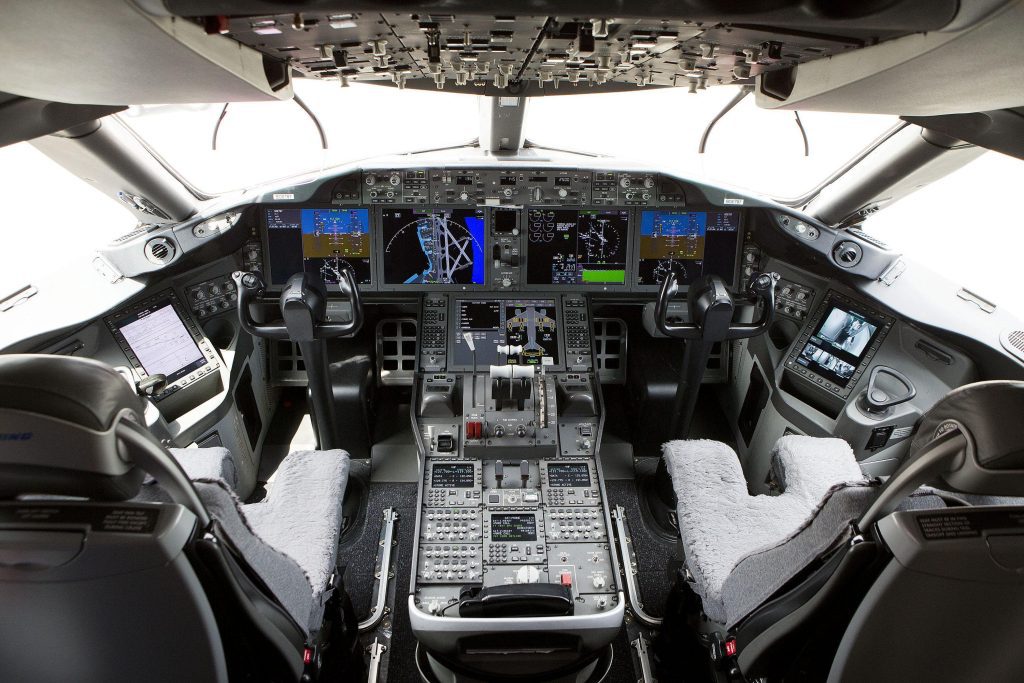
Becoming a private jet pilot is a dream job for many aviation enthusiasts. The allure of flying luxurious aircraft for high-net-worth individuals, celebrities, or corporate executives comes with its unique set of challenges and rewards. However, the path to becoming a private jet pilot requires dedication, specialized training, and a deep understanding of both aviation and customer service.
This article will provide a step-by-step guide on how to become a private jet pilot, including the required qualifications, training, and skills needed to succeed in this high-demand field.
1. Understanding the Role of a Private Jet Pilot
Before diving into the specific steps required to become a private jet pilot, it’s essential to understand the role itself. Private jet pilots are responsible for flying aircraft for individuals, families, or companies that require a more personalized and efficient way to travel. Unlike commercial airline pilots, private jet pilots often fly smaller, more luxurious aircraft and need to cater to the specific needs and preferences of their clients.
Key responsibilities include:
- Pre-flight preparations: Ensuring the aircraft is safe and ready for flight by inspecting systems, reviewing weather conditions, and planning the flight route.
- Passenger care: Managing passenger comfort and safety, which can involve accommodating special requests and ensuring a smooth, relaxing journey.
- Handling emergencies: Being prepared to deal with unexpected situations and making critical decisions to ensure the safety of passengers and crew.
2. Required Qualifications and Certifications
To become a private jet pilot, there are several qualifications and certifications you’ll need to achieve. Here’s a breakdown of the essential steps:
Step 1: Obtain a Private Pilot License (PPL)
The first step toward becoming a private jet pilot is obtaining a Private Pilot License (PPL). This license is the foundation of all further aviation certifications. To earn your PPL, you’ll need to:
- Complete 40 flight hours: This includes both dual instruction and solo flight hours, covering all aspects of aircraft operation.
- Pass a medical exam: You’ll need to meet the required medical standards to ensure you’re fit to fly.
- Pass a written exam: This tests your knowledge of flight rules, navigation, and aircraft operations.
- Pass a flight test: After meeting the flight hours and passing the exams, you’ll be evaluated by a certified flight instructor in the air to demonstrate your flying skills.
Step 2: Obtain an Instrument Rating (IR)
While the PPL is essential, an Instrument Rating (IR) is critical for pilots who intend to fly private jets. This rating allows you to fly under more challenging conditions, including poor visibility, cloudy skies, and in airspace with higher traffic. To obtain your IR, you’ll need to:
- Complete additional training: This involves learning advanced navigation techniques and how to fly solely by reference to instruments (without visual contact with the ground).
- Pass a written exam and flight test: Like the PPL, the IR requires both a written exam and a flight test, focusing on instrument-based navigation and operations.
Step 3: Obtain a Commercial Pilot License (CPL)
While you can fly some private aircraft with just a PPL and IR, to fly a private jet professionally, you’ll need a Commercial Pilot License (CPL). The CPL allows you to be paid for your flying services. To obtain this license, you’ll need to:
- Complete 250 total flight hours: This includes time spent flying with an instructor and time spent flying solo.
- Pass a medical exam: A more rigorous medical exam is required at this stage to ensure you are fit to perform professional duties.
- Pass written exams and flight tests: The exams focus on commercial flying principles, including advanced navigation, flight planning, and aerodynamics.
Step 4: Obtain a Type Rating
Private jets come in a variety of makes and models, and each requires a type rating, which is specific to the aircraft you’ll be flying. A type rating is required for larger or more complex aircraft, including most private jets. To obtain this rating, you’ll need to:
- Complete specific training for the jet model: This training includes classroom instruction on aircraft systems, flight manuals, and emergency procedures.
- Pass a written and practical exam: You’ll undergo a series of exams to demonstrate your proficiency in the operation of the jet.
3. Specialized Training for Private Jet Pilots
In addition to the necessary certifications, private jet pilots must complete specialized training programs customized to the demands of flying luxury aircraft. Here are some areas of training you should consider:
Training for High-Performance Aircraft
Many private jets are high-performance, requiring specific training to handle complex systems. Understanding how to fly jets like the Gulfstream, Bombardier, and Learjet requires knowledge of their systems, navigation procedures, and emergency protocols.
Customer Service Training
Private jet pilots are expected to provide a high level of customer service. While safety is always the priority, pilots must also be able to interact professionally with passengers, assist with special requests, and ensure the comfort and privacy of clients. Training in customer relations and etiquette is essential to succeed in this field.
4. Gaining Experience and Building Hours
Once you have obtained your CPL and type rating, gaining experience and building flight hours is essential to qualify for flying private jets. Many aspiring pilots begin their careers by flying smaller aircraft or working as flight instructors to accumulate hours.
- Flying smaller aircraft: Gaining experience in smaller planes can provide valuable skills and hours that will be needed for larger private jets.
- Building hours with charter companies: Many pilots begin by working with charter companies, providing flight services for smaller aircraft. These jobs can be stepping stones to larger aircraft and private jet opportunities.
- Network and find mentorship: Building connections in the aviation industry and learning from experienced pilots is invaluable for career growth.
5. Key Skills for Private Jet Pilots
To be successful as a private jet pilot, there are several key skills and qualities you’ll need to develop:
- Excellent decision-making skills: The ability to make quick, sound decisions under pressure is critical in aviation, particularly in private jet travel where time-sensitive situations can arise.
- Adaptability and flexibility: Private jet pilots must be able to adapt to different types of aircraft, various flight conditions, and the unique needs of passengers.
- Attention to detail: Every flight requires thorough planning, and private jet pilots must ensure that all pre-flight checks, documentation, and operational procedures are meticulously followed.
- Strong communication skills: Pilots need to communicate effectively with ground crew, air traffic controllers, and passengers to ensure smooth and safe operations.
6. Career Opportunities and Job Outlook
The demand for private jet pilots continues to grow as more individuals and companies seek luxury travel options. Pilots who are well-trained and experienced have many career opportunities, including:
- Corporate pilots: Many businesses hire private jet pilots to transport executives and staff.
- Private jet charter companies: Working for companies that offer private jet rentals can be a lucrative career option.
- Personal pilots for high-net-worth individuals: Some private jet pilots work directly for wealthy clients, flying their private jets on demand.
The job outlook for private jet pilots is strong, as the demand for private aviation continues to rise. The increasing number of wealthy individuals and businesses seeking personalized travel options ensures that there will be a steady demand for skilled pilots.
Conclusion
Becoming a private jet pilot requires significant commitment and effort. From obtaining essential certifications to gaining experience and undergoing specialized training, the journey to flying luxury aircraft is one of both personal and professional growth. By following the outlined steps, acquiring the right skills, and gaining experience, you can embark on a rewarding career in private aviation. With a strong job outlook and exciting opportunities, becoming a private jet pilot can turn your passion for aviation into a successful and fulfilling career.
Remember that while the technical skills are crucial, private jet pilots must also possess excellent customer service skills to cater to the needs of elite passengers. If you’re dedicated to your craft, your dream of flying private jets can become a reality.


