


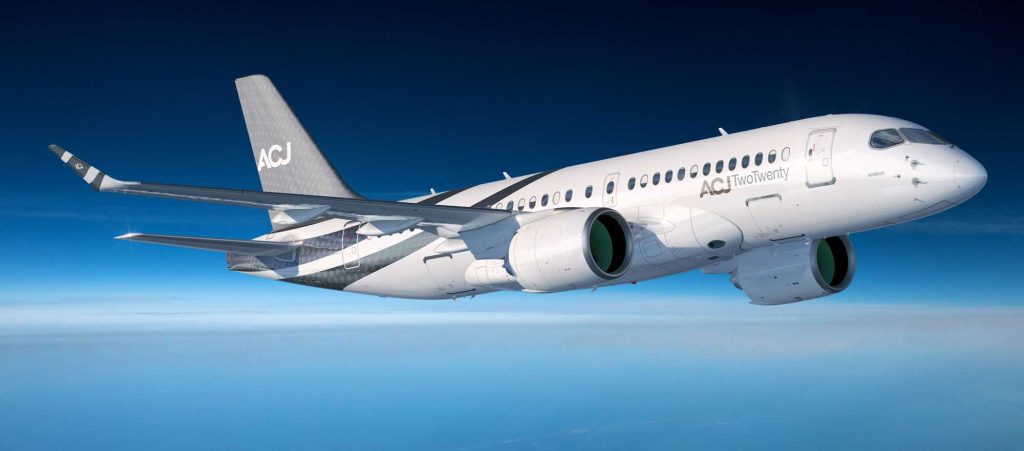
The allure of private jet ownership has never been stronger. Whether for business or pleasure, owning a private jet offers unmatched convenience, flexibility, and luxury. However, purchasing a private jet is a complex and costly endeavor that requires careful planning, research, and expert guidance.
For many, buying a private jet is not just about owning an aircraft, it’s about enhancing your lifestyle, boosting productivity, and securing a strategic asset that can contribute to long-term goals. This modern, comprehensive guide will walk you through every essential step of the private jet buying process, ensuring that your purchase is a sound investment and a valuable addition to your portfolio.
1. Understand Your Needs and Usage
Before diving into the purchasing process, it’s critical to first assess your travel needs and understand how the jet will be used. This step will help you determine the type of jet you need, its size, range, and amenities. Here’s how to approach it:
- Passenger Capacity: Determine how many passengers you typically fly with. If you’re traveling solo or with just a few colleagues, a light or midsize jet may suffice. Larger groups or family trips might require a heavy or ultra-long-range jet that offers more space and amenities.
- Flight Range: Consider the distances you frequently travel. For international flights, you’ll need a jet with a longer range (over 4,000 miles), while regional flights can be served by smaller jets with shorter ranges (under 2,000 miles).
- Frequency of Travel: How often do you plan to use the jet? Frequent flyers might prioritize jets with higher reliability, long-lasting components, and lower maintenance costs.
- Desired Amenities: Are you looking for a jet with a fully equipped office, private bedroom, or entertainment systems? Luxury jets come with a variety of interior configurations, from minimalist to extravagant. Identify which amenities will be essential to you and your travel style.
Understanding your unique needs ensures that you select the right type of aircraft and avoid costly mistakes down the road.
2. Set a Realistic Budget
The price of a private jet can vary significantly based on its type, age, and condition. While the sticker price is the most obvious cost, owning a jet involves additional ongoing expenses. Here’s how to structure your budget:
- Purchase Price: The price for a new jet can range from $3 million for a small light jet to over $70 million for a state-of-the-art, long-range jet. Pre-owned jets tend to be more affordable, but prices still vary greatly depending on the model, age, and condition.
- Operating Costs: Once you purchase the jet, you’ll have annual operating costs that can range from $500,000 to $3 million, depending on the aircraft’s size and usage. These costs include fuel, maintenance, insurance, hangar fees, and pilot salaries.
- Financing Options: While some buyers choose to pay for their jet upfront, many finance the purchase. Options include traditional loans, leases, or fractional ownership, where you purchase a portion of a jet and share the costs with other owners.
- Depreciation: Keep in mind that private jets depreciate over time. A new jet will lose value quickly in the first few years, but some well-maintained models hold their value better than others. Pre-owned jets, on the other hand, have already undergone depreciation and may be a more cost-effective option.
Setting a clear budget for both the upfront cost and the ongoing expenses ensures you won’t be caught off guard by unexpected financial burdens.
3. Choose the Right Type of Jet
There are different categories of private jets, each suited to specific travel needs. Knowing which type of jet fits your requirements will help narrow down your options:
- Light Jets: These jets are perfect for short regional trips, typically carrying 4-8 passengers. They’re ideal for business owners or individuals who frequently travel within a few hundred miles. Popular light jet models include the Cessna Citation Mustang and Embraer Phenom 300.
- Midsize Jets: Offering more range (2,000-3,000 miles) and space (6-9 passengers), midsize jets are often chosen by executives and families. They provide more comfortable cabins and additional luggage capacity. The Learjet 60 and Hawker 800XP are well-known midsize jets.
- Heavy Jets: These jets offer the best in terms of space (8-16 passengers) and luxury amenities. Their range (3,500-4,500 miles) makes them ideal for international travel. Examples include the Gulfstream G450 and Bombardier Global 6000.
- Ultra-Long Range Jets: Designed for the most demanding travel, these jets have ranges of 6,000 miles and above. They’re suited for frequent intercontinental travel and provide the most luxurious amenities available. Models like the Gulfstream G650ER and Bombardier Global 7500 offer both comfort and performance.
Understanding the size, range, and functionality that best suits your needs will help you avoid purchasing an aircraft that is either too large or too small for your requirements.
4. New vs. Pre-Owned Jets: What’s Right for You?
Another critical decision is whether to buy a new or pre-owned jet. Both have their advantages, and the best choice depends on your preferences, budget, and priorities:
- New Jets: A new jet offers the latest in technology, interior designs, and performance features. It also comes with a warranty and minimal maintenance concerns, at least in the first few years. However, the upfront cost is significantly higher, and the jet will depreciate quickly.
- Pre-Owned Jets: Pre-owned jets can provide better value for money, as they tend to depreciate more slowly than new ones. Many pre-owned jets are in excellent condition, with low flight hours, and come with an extended warranty. The challenge is finding a well-maintained aircraft, as wear and tear can be more significant in older models.
The choice between new and pre-owned ultimately comes down to your financial situation, how much you value having the latest technology, and how much you’re willing to invest in maintaining or upgrading a pre-owned jet.
5. Work with Experts
Buying a private jet is not something most people do regularly, so it’s crucial to enlist the help of experts to guide you through the process:
- Jet Brokers: A professional jet broker can help you find the perfect jet, negotiate the price, and guide you through the paperwork. They have access to a wide range of listings and can help you identify models that fit your needs.
- Aviation Consultants: These professionals provide objective advice, helping you assess various aircraft, choose the right model, and evaluate whether the jet aligns with your financial goals and operational needs.
- Legal Advisors: A lawyer specializing in aviation law can help you navigate the legal complexities of buying a jet, including contracts, ownership structures, and tax considerations. They’ll ensure that the purchase agreement is fair and legally sound.
- Maintenance Providers: Selecting a reputable maintenance provider is essential to ensuring your jet remains in good condition. Choose a provider with a proven track record and knowledge of the specific aircraft model you are purchasing.
By working with experienced professionals, you can minimize risks, avoid costly mistakes, and ensure a smooth purchasing process.
6. Conduct a Thorough Pre-Purchase Inspection
Whether you’re buying new or pre-owned, conducting a thorough pre-purchase inspection is essential to ensure that the aircraft is in good working condition. This process should include:
- Airframe and Engine Inspections: A detailed inspection of the airframe and engines is crucial to assess their condition. Look for signs of corrosion, damage, or wear that could lead to costly repairs down the road.
- Interior and Avionics: Check the interior for wear and tear, and ensure that the avionics and systems are up-to-date and functioning correctly. Modern jets come equipped with advanced avionics, and ensuring they’re in good working order is critical to safety and efficiency.
- Maintenance History: Review the aircraft’s maintenance logs to confirm that all required maintenance has been completed and that there are no unresolved issues. This gives you confidence that the jet has been well cared for.
A thorough inspection helps identify potential problems that could be costly to fix and gives you peace of mind before making the final decision.
7. Finalize the Purchase and Take Ownership
Once you’ve found the perfect jet and completed the necessary inspections, it’s time to finalize the deal. This stage involves:
- Negotiating the Price: Depending on market conditions, there may be room to negotiate on the price. Your broker or consultant can help you determine if the price is fair and assist in negotiating favorable terms.
- Legal Documentation: Work with your legal advisor to review the purchase agreement, ownership documentation, and title transfer. This ensures that all paperwork is in order and the ownership process is legally binding.
- Registration and Compliance: Register your aircraft with the appropriate aviation authority, such as the FAA in the United States, and ensure compliance with all aviation regulations.
Once all the paperwork is signed, and you’ve completed the necessary steps, you’ll officially own your private jet and can begin flying in comfort and style.
Conclusion
Buying a private jet is a significant investment that requires careful consideration, planning, and the right expertise. By following the steps outlined in this guide, from understanding your needs and setting a realistic budget to working with professionals and conducting thorough inspections, you can ensure that your purchase aligns with your goals and provides long-term value.
With the right approach, private jet ownership can enhance your lifestyle, boost your business operations, and offer unparalleled flexibility and freedom in the skies.


