


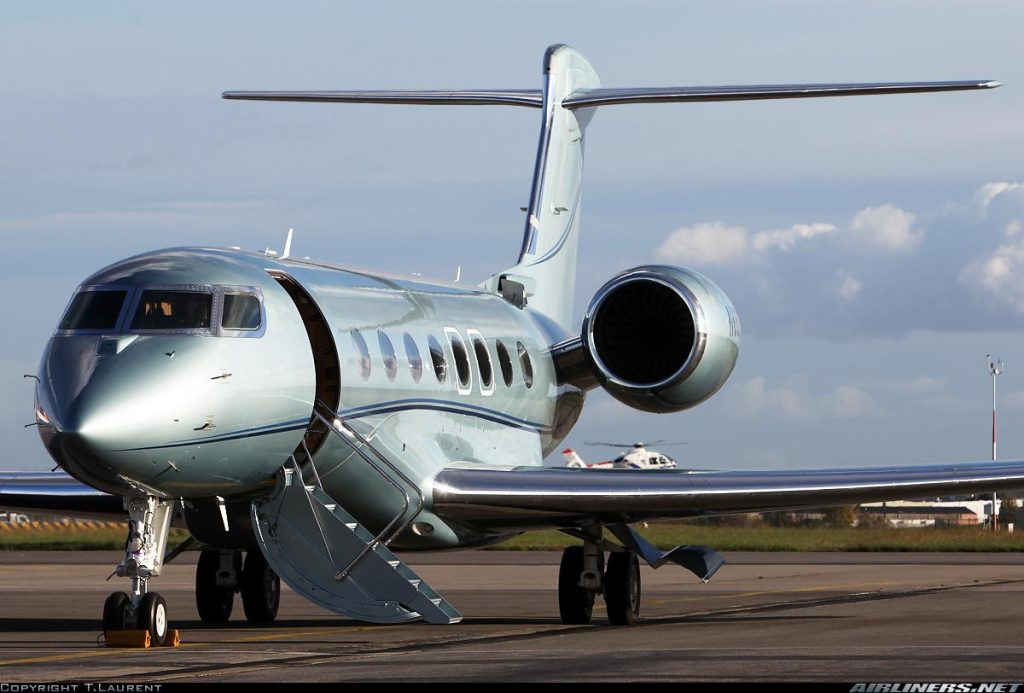
For elite investors, buying a private jet is not just about luxury, it’s a strategic move that requires savvy financial planning, in-depth market knowledge, and a clear understanding of long-term ownership benefits. As a significant investment, the decision to purchase a private jet goes beyond selecting a model; it involves understanding its impact on your portfolio, business operations, and lifestyle.
In this advanced buyer’s guide, we’ll explore sophisticated strategies for securing your ideal jet. Whether you are a first-time buyer or an experienced investor, the following tips will help you approach the process like a pro, ensuring that you make a wise investment and optimize your purchase in the private aviation sector.
1. Develop a Strategic Acquisition Plan
Before diving into the specifics of the private jet market, it’s essential to develop a strategic acquisition plan. As an elite investor, your approach must be deliberate and well-informed. Key elements of this plan should include:
- Purpose and ROI: Understand why you want to buy a jet and how it fits into your overall investment strategy. Is this for business expansion, an operational asset, or personal use? If the jet is being used for business, ensure that it brings a return on investment (ROI) in terms of increased productivity, efficiency, and cost savings.
- Ownership Structure: Determine how you want to structure the purchase. Will you buy the jet outright, finance it, or look into fractional ownership or leasing? Each option has its financial implications, tax advantages, and maintenance responsibilities. Align your purchase method with your financial goals and desired ownership experience.
- Resale Strategy: As an investor, it’s crucial to consider how you’ll exit the investment when needed. Assess the resale potential of the jet and plan for a future sale or trade-in. Consider factors such as depreciation, market demand, and long-term value retention when choosing a model.
By taking a strategic approach to the purchase, you can ensure that the jet fits both your immediate needs and long-term financial objectives.
2. Leverage Tax Benefits and Financing Options
The financial side of buying a private jet can be complex, but with the right knowledge, you can leverage tax advantages and financing strategies to optimize your purchase. As an elite investor, consider these advanced financial strategies:
- Tax Deductions and Benefits: Owning a private jet may provide significant tax advantages if used for business purposes. The IRS Section 179 allows you to depreciate the jet’s value over time, leading to substantial tax deductions. Additionally, operating expenses (such as maintenance, fuel, and crew salaries) can often be written off as business expenses if the jet is used for work-related travel. Consult with a tax professional to ensure you maximize your benefits.
- Financing Solutions: While some elite investors may prefer to pay in full for a jet, many opt for financing. Specialized aviation financing options allow you to structure loans that match the unique needs of aircraft ownership. Look for low-interest rates, tax-efficient loan structures, and financing terms that align with your broader financial plan. Keep in mind that financing a jet typically requires a down payment (often around 20-25% of the jet’s value) and the consideration of monthly payments and long-term costs.
- Leasing and Fractional Ownership: For those looking to mitigate upfront costs or reduce overall financial commitment, leasing or fractional ownership are viable options. With fractional ownership, you buy a share of a jet and pay only for the hours you use, while the leasing option offers flexibility without the long-term financial responsibility. These strategies may be ideal for investors who want to access a jet without committing to full ownership.
Understanding how to structure the financial side of the transaction will help you avoid pitfalls and make your private jet acquisition a more lucrative investment.
3. Focus on Operational and Maintenance Costs
While the initial purchase price of a private jet may grab your attention, it’s the ongoing operational costs that will significantly impact your total ownership expenses. Elite investors know that successful private jet ownership requires planning for these ongoing expenses. Some critical factors to consider are:
- Fuel Efficiency: Different jets consume varying amounts of fuel based on their size, range, and performance. For elite investors who plan on frequent long-haul flights, it’s essential to select a jet with fuel efficiency in mind. Aircraft with next-gen engines or lightweight materials tend to offer better fuel economy, which helps reduce long-term costs.
- Maintenance and Inspections: Private jets require regular inspections and routine maintenance to remain in optimal condition. Elite investors understand the importance of investing in quality maintenance programs and partnering with certified maintenance providers. Be sure to include costs for annual inspections, repairs, and scheduled upgrades in your total cost projection.
- Crew and Staffing: Operating a private jet typically requires qualified pilots, flight attendants, and ground staff. Hiring a full-time crew or working with a charter company can increase your annual expenses, but it ensures a seamless flying experience. Factor in the cost of hiring or contracting staff into your operational budget.
- Storage and Hangar Fees: Storing a private jet at an airport or a dedicated hangar facility often comes with substantial costs, including hangar fees, security services, and insurance. Ensure that your financial plan accounts for these recurring costs and choose a storage facility that aligns with your usage and location.
By thoroughly evaluating operational costs and factoring them into your financial planning, you can avoid unexpected expenses and maintain a profitable ownership experience.
4. Assess the Jet’s Performance and Specifications
As an elite investor, your private jet must offer more than just luxury. The performance and specifications of the jet will determine how effectively it meets your travel requirements. Here are key factors to assess:
- Range and Speed: The range of the jet is crucial for international travel. Some high-end jets offer transcontinental and even intercontinental capabilities, allowing you to fly long distances without refueling. Consider how often you will need long-range flights and whether the speed and performance of the jet align with your travel needs.
- Comfort and Design: The interior design and comfort features should match the level of luxury you desire. Assess the quality of materials, seat configurations, and available amenities (such as bedrooms, conference rooms, and gourmet kitchens) to ensure the jet reflects your taste and business needs.
- Technology and Innovation: Today’s private jets come equipped with advanced technology and cutting-edge innovations to improve flight safety and passenger comfort. Features such as smart cabins, Wi-Fi connectivity, noise reduction systems, and state-of-the-art entertainment systems are key differentiators when choosing the right jet for you.
- Safety Features: Safety should be your top priority when evaluating potential jets. Look for aircraft equipped with the latest avionics, emergency systems, and redundancy features. Well-established manufacturers like Gulfstream, Bombardier, and Dassault prioritize safety and are known for their high standards.
By focusing on these performance metrics, you can ensure that your private jet will deliver both exceptional comfort and operational efficiency.
5. Work with Trusted Advisors and Industry Experts
When making such a significant investment, it’s essential to surround yourself with trusted advisors and industry experts. Here’s why:
- Aviation Consultants and Brokers: Work with aviation consultants or brokers who have extensive experience in the industry. They can help you navigate the purchasing process, from finding the right jet to negotiating the best price and handling paperwork. With access to exclusive listings and off-market jets, brokers can save you time and money.
- Legal and Tax Advisors: Purchase agreements for private jets can be complex and require legal expertise. Work with a lawyer who specializes in aviation law to review contracts and ensure all legal aspects of the transaction are clear. Additionally, consult a tax advisor to optimize your financial strategy and ensure you take full advantage of any tax benefits or deductions available.
- Maintenance Providers: Partnering with a reliable maintenance provider is crucial for long-term ownership. A solid partnership ensures that you’re prepared for inspections, routine maintenance, and upgrades. Additionally, you’ll benefit from expert advice on keeping your aircraft in top condition.
By building a trusted advisory team, you’ll have the resources and expertise to handle every aspect of the acquisition, ownership, and operation of your jet.
Conclusion
Investing in a private jet is a strategic decision that requires thorough planning, financial acumen, and an understanding of the aviation market. For elite investors, the key to a successful purchase lies in making informed decisions, leveraging financial tools, optimizing costs, and selecting the right aircraft for your needs. By following the advanced strategies outlined in this guide, you can navigate the private jet buying process with confidence, ensuring that your investment provides not only luxury but also financial returns.


