


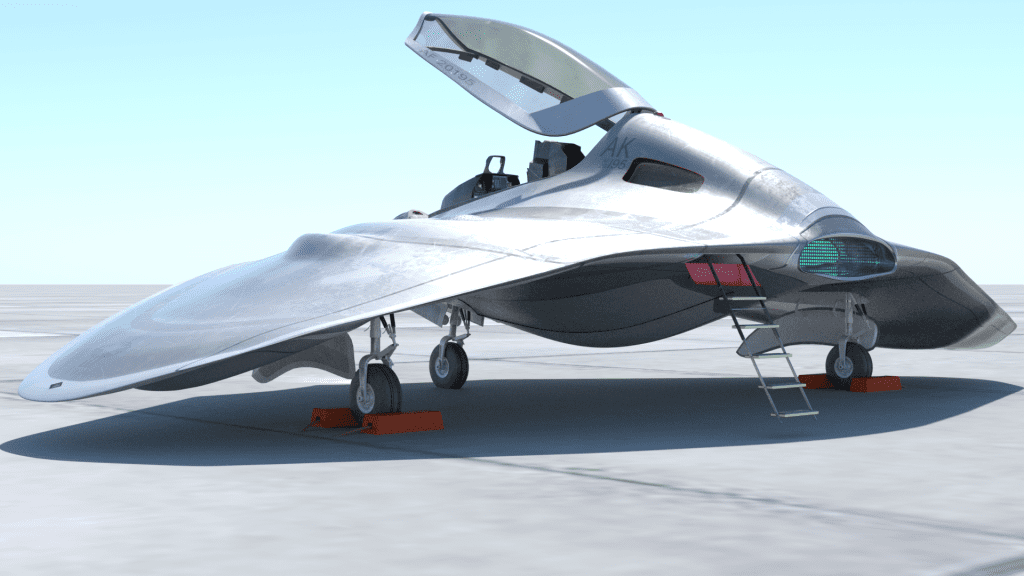
Buying a private jet is not just about luxury; it’s a strategic investment that offers convenience, exclusivity, and the potential for financial returns. Whether you’re purchasing your first jet or looking to upgrade your current fleet, making the right choice involves both creativity and expertise. The process of purchasing a private jet can be intricate and overwhelming, but with the right techniques, you can navigate it with ease and ensure you’re making a smart investment.
In this article, we’ll walk you through creative and expert techniques for purchasing a private jet, offering tips on how to select the right aircraft, how to finance it, and how to maintain it to preserve its value. From understanding the market to leveraging financial strategies, we’ll provide the insights you need to make an informed and successful purchase.
1. Start with a Clear Purpose: Defining Your Investment Goals
Before jumping into the market for private jets, the first step is to define your goals. Why are you purchasing a jet? Is it for personal use, business, or as a potential investment opportunity? Defining your purpose will not only help narrow down the type of aircraft you need but also guide you in making a sound financial decision.
Personal Travel: If your primary goal is convenience and comfort for personal travel, you’ll want to focus on jets that suit your travel frequency, passenger capacity, and desired amenities. Light jets are often preferred for short trips, while larger aircraft are suitable for cross-country or international flights.
Business Use: For companies, a private jet can boost productivity by allowing executives to travel between cities with ease. Look for jets with ample space for meetings and the latest tech for on-the-go work. Corporate jets often come with luxurious interiors, Wi-Fi, and conference facilities.
Investment Purpose: If you’re considering purchasing a jet as an investment, it’s important to look at market trends, the resale potential of the jet, and the aircraft’s ability to generate revenue through charter services or leasing. Understanding these factors will allow you to maximize your return on investment (ROI).
2. Choose the Right Aircraft: Understanding Your Options
The type of private jet you buy directly impacts your overall investment strategy. There are several types of aircraft, each designed to cater to different needs. Here’s a breakdown of the most common options:
Light Jets
Light jets are perfect for short regional flights, making them ideal for personal travel or small business trips. They are cost-effective in terms of fuel and maintenance while offering the luxury of private flying. Popular models include the Cessna Citation Mustang and Embraer Phenom 100.
Midsize Jets
Offering a balance between affordability and luxury, midsize jets are ideal for medium-range travel. They provide more cabin space and greater fuel capacity than light jets, making them perfect for business trips or leisure travel. Examples include the Learjet 60 and the Hawker 800XP.
Heavy Jets
For longer flights or international travel, a heavy jet is the best option. These jets are spacious, equipped with top-tier amenities, and capable of flying non-stop over long distances. The Gulfstream G650 and Bombardier Global 6000 are examples of popular heavy jets that cater to both business and personal needs.
Ultra-Long-Range Jets
These jets are designed for non-stop flights between continents and are ideal for global business or luxury travelers. They offer the highest level of comfort and performance and include models such as the Gulfstream G700 and the Dassault Falcon 8X.
When selecting the right aircraft, consider factors such as flight range, passenger capacity, and operating costs. Each aircraft category offers a unique combination of features, and understanding these differences will help you make an informed decision.
3. Leverage Creative Financing Options
Purchasing a private jet is a significant financial commitment, but there are multiple financing strategies you can use to make the purchase more manageable. Beyond simply paying for the jet outright, creative financing options allow you to preserve capital and structure a deal that fits your financial goals.
Jet Financing
Traditional financing options, such as loans and leases, are available for jet buyers. However, since private jets are expensive assets, the terms and interest rates can vary greatly. Working with a specialist in aviation financing can help you secure the best terms, whether you’re financing a new or pre-owned jet.
Fractional Ownership
If you’re looking to reduce the upfront costs and operational expenses of owning a jet, consider fractional ownership. This involves sharing the ownership of a jet with other individuals or businesses. It allows you to enjoy the benefits of private jet travel without the full financial burden. Fractional ownership is ideal if you only require occasional use of the jet.
Leasing and Chartering
Leasing a private jet or entering into a charter agreement can be a creative way to offset the cost of ownership. If you’re not using your jet full-time, you can lease it to other travelers or companies, generating revenue and potentially covering the costs of maintenance and operational expenses.
Tax Benefits
Depending on the jurisdiction, owning a private jet may offer certain tax advantages. Many countries provide tax deductions for business-related travel, including depreciation on the jet. Consult with a tax advisor to explore how purchasing a jet could impact your tax obligations and possibly offer tax relief.
4. Evaluate the Pre-Owned vs. New Jet Market
While buying a new jet may be tempting due to the latest features and warranty benefits, purchasing a pre-owned jet can be a more financially savvy option for many buyers. Here are the pros and cons of each:
New Jets
Purchasing a new jet ensures that you’re getting the latest technology, the longest lifespan, and a fully customized interior. You also have the advantage of manufacturer warranties and support. However, the downside is that new jets suffer from immediate depreciation, losing a significant portion of their value as soon as they leave the showroom.
Pre-Owned Jets
The pre-owned jet market offers considerable savings, as the jet has already undergone its initial depreciation. A well-maintained pre-owned jet can offer a high level of performance and luxury at a fraction of the cost of a new one. However, you’ll need to ensure that the aircraft has been properly maintained, and you may need to invest in upgrades or repairs. Pre-owned jets also come with the potential for hidden maintenance issues, so it’s crucial to have the aircraft thoroughly inspected before purchase.
In general, if you are looking for a cost-effective option, purchasing a well-maintained pre-owned jet can be a smart investment. Ensure that the jet has low hours, a clean maintenance history, and a reputable previous owner.
5. Create a Plan for Ongoing Maintenance and Value Preservation
Owning a private jet involves much more than just the initial purchase. To maintain the value of your investment and ensure the jet remains operational, it’s important to create a plan for regular maintenance and upgrades. Here’s what you need to know:
Regular Maintenance
Routine maintenance is essential for keeping the aircraft in optimal condition. This includes inspections, repairs, and engine overhauls. Many jets require a full inspection every 12 months, and some components may need to be serviced every few years. The maintenance costs can add up, but staying on top of them will help preserve the jet’s resale value.
Upgrades and Improvements
If you plan on holding onto the jet for several years, consider upgrading its interior, avionics, and technological features. Modernizing the aircraft can help you keep it competitive in the market, especially if you decide to lease or sell it down the line. Enhanced amenities, such as Wi-Fi or high-tech entertainment systems, can also increase its appeal to potential buyers or charter clients.
Market Demand and Resale Potential
The demand for private jets can fluctuate, so it’s important to understand market trends and anticipate how your jet will perform in the future. Certain models hold their value better than others, so choosing a jet with a strong resale history can significantly enhance your ROI. Pay attention to factors such as fuel efficiency, range, and popularity when selecting a jet that has long-term appeal.
6. Maximize Your Investment with Chartering and Leasing
One of the smartest ways to generate a return on your jet investment is through chartering or leasing. By putting your jet on the market for charter services, you can earn income when it’s not in use. This can help offset operating costs, maintenance fees, and other expenses. Here’s how to get started:
Chartering
Chartering your jet to other passengers or companies can provide steady revenue streams. You’ll need to work with a charter management company to market your aircraft to clients, but this can be a great way to maximize usage and generate income when you’re not flying it yourself.
Leasing
Leasing your jet to other companies or individuals on a longer-term basis can provide even greater financial returns. This allows you to keep the jet in service and collect lease payments without the day-to-day responsibilities of managing charter clients.
Conclusion
Owning a private jet can be an incredible luxury and investment opportunity, but it requires careful consideration and strategic planning. By applying these creative and expert techniques, you can ensure that your purchase not only meets your personal needs but also becomes a profitable asset. Whether you’re choosing the right jet, securing financing, or maintaining the value of your investment, these steps will help you navigate the world of private jet ownership with confidence and success.


