


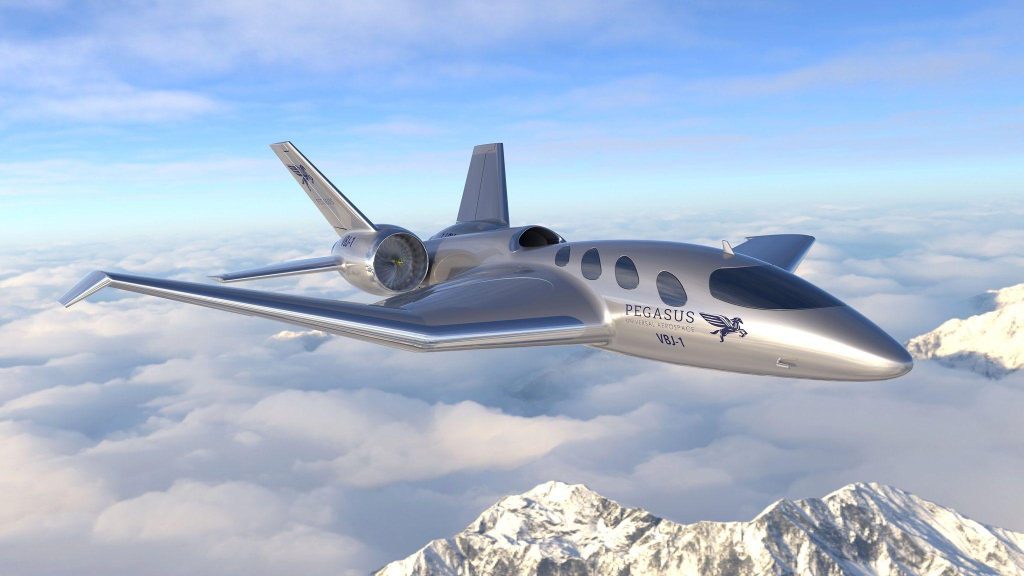
Investing in a private jet is an exciting milestone that opens doors to convenience, luxury, and efficiency. Whether you’re a seasoned buyer or exploring private aviation for the first time, ensuring your purchase is seamless and profitable is crucial. The private jet market is intricate, requiring a blend of strategy, research, and creativity to secure the best deals while optimizing long-term value.
This comprehensive guide outlines creative techniques for buying a private jet, ensuring that your acquisition process is smooth and results in a profitable investment. From choosing the right aircraft to financing options and maximizing the resale value, these steps will help you navigate the private jet market with confidence.
- Start with a Clear Objective
Before making any decisions, it’s essential to define your primary objectives for buying a private jet. Whether you’re purchasing for personal use, business travel, or as an investment asset, knowing your goals will guide your purchasing strategy.
Personal Use
If comfort, luxury, and convenience are your priorities, focus on jets that offer luxury interiors, a smooth ride, and plenty of space for passengers. Features such as private bedrooms, lounges, and conference rooms are desirable for individuals seeking ultimate comfort.
Business Use
For those purchasing jets for business purposes, efficiency, productivity, and cost-effectiveness should be the focus. Look for jets with spacious workspaces, conference facilities, and reliable communication systems to facilitate business meetings while in the air.
Investment Opportunities
Some buyers see private jets as assets that can appreciate over time or generate revenue through charter services or leasing. In this case, research models with strong resale value, low depreciation rates, and those that are in demand for private jet charters.
- Research the Market Thoroughly
The private jet market is dynamic, with new models emerging regularly and older jets losing value. Understanding the current trends and market behavior is crucial for making a smart purchase.
New vs. Pre-Owned Jets
New Jets: While brand-new aircraft come with the latest technology and customization options, they are also subject to rapid depreciation. Jets can lose up to 30% of their value within the first year. However, if you value cutting-edge amenities and a warranty on the aircraft, a new jet might be the best choice.
Pre-Owned Jets: Pre-owned jets, if properly maintained, can offer a better return on investment as their depreciation is slower compared to new models. Carefully evaluate the flight hours, maintenance records, and previous ownership to ensure you are getting a well-maintained jet.
Market Conditions
Understanding the state of the private jet market is essential for timing your purchase. If demand is high, you may pay a premium for your aircraft. Alternatively, during market downturns, you might find better deals. Keeping an eye on supply and demand trends, fuel costs, and technological advancements will help you make informed decisions.
- Select the Right Jet for Your Needs
Choosing the right jet is crucial for maximizing both your immediate enjoyment and the long-term value of your investment. Several factors should guide your decision:
Jet Size and Range
The size and range of your jet will directly affect its purchase price, operating costs, and suitability for your travel needs. Consider the following:
Light Jets: Smaller jets such as the Cessna Citation M2 or Embraer Phenom 100 are ideal for regional flights, offering cost-efficiency and quick travel times. They are well-suited for personal use or small business trips.
Mid-Size Jets: Jets like the Hawker 800XP or Learjet 75 offer more cabin space and range, ideal for cross-country or international travel.
Large Jets: Larger jets such as the Gulfstream G650ER or Bombardier Global 7500 provide the highest level of luxury and comfort, catering to long-haul international flights. These jets are best for those who prioritize space, comfort, and global reach.
Interior and Amenities
When selecting a jet, pay attention to its interior layout and the amenities offered. Luxury features like fully equipped bathrooms, fully reclining seats, and advanced in-flight entertainment systems enhance the flying experience. Consider the number of passengers typically traveling with you and how the interior can be customized to suit your lifestyle or business needs.
- Understand Financing and Ownership Options
Owning a private jet requires significant capital, but there are multiple ways to finance your purchase to ensure the best use of your funds. Depending on your financial situation and objectives, you can explore various financing methods that help balance cost with flexibility.
Traditional Financing
Many buyers choose to finance their private jet through traditional loans, often secured by the jet itself. This method allows you to break down the cost into manageable monthly payments. Ensure that you compare interest rates and loan terms from different lenders to find the most cost-effective financing solution.
Leasing Options
Leasing a jet is another option if you want the benefits of ownership without committing to full capital expenditure. Operating leases allow you to use the jet for a set period without taking ownership, while finance leases let you buy the jet at the end of the lease term. This flexibility makes leasing an attractive option for buyers who need access to private jets without the long-term commitment.
Fractional Ownership
If you don’t need the jet year-round but still want access to private aviation, fractional ownership might be a good solution. This involves purchasing a share of an aircraft, which allows you to enjoy many of the benefits of ownership, such as guaranteed access to a jet, without the full costs of owning one.
- Work with a Trusted Broker or Consultant
Navigating the private jet market can be complex, especially if you’re new to aviation. A trusted broker or aviation consultant can provide invaluable insights and help you make the best decisions when it comes to purchasing, financing, and managing your jet.
The Role of a Broker
A broker specializes in matching buyers with the right aircraft. They have deep knowledge of the market, connections to sellers, and the ability to negotiate on your behalf. Brokers can also assist with evaluating pre-owned jets, ensuring they meet all safety and maintenance standards. Their role is to ensure that your purchase is cost-effective, efficient, and tailored to your needs.
Consultants for Customized Solutions
Aviation consultants, on the other hand, provide personalized advice and can help you develop a strategy for purchasing and managing your jet. Whether you’re buying for personal use or business, consultants can ensure you make a well-informed purchase that aligns with your goals.
- Plan for Ongoing Management and Maintenance
Once your jet is purchased, it’s important to have a plan in place for ongoing management and maintenance. This ensures the longevity of your aircraft and maximizes its resale value.
Routine Maintenance
Private jets require regular maintenance to ensure they are airworthy and retain their value. It’s important to keep up with inspections, upgrades, and repairs. Having a professional management company handle these tasks can save time and ensure compliance with safety regulations.
Aircraft Management Companies
An aircraft management company can take care of all aspects of jet ownership, including flight operations, maintenance, crew management, and scheduling. These companies handle the logistics and day-to-day operations of your jet, giving you peace of mind and allowing you to enjoy your aircraft without the administrative burden.
Charter and Leasing
If your jet isn’t in use all the time, consider leasing it out or offering charter services. This can help offset the costs of ownership and even generate a profit. Many jet owners work with charter management companies to rent out their aircraft when it’s not in use, turning their jet into a profitable asset.
- Maximize Resale Value
A key aspect of making a profitable investment is ensuring that your private jet holds its value over time. There are several steps you can take to maintain or even increase the resale value of your jet.
Stay Up-to-Date with Trends
Jets that are well-maintained and incorporate the latest technology tend to hold their value better. Stay informed about aviation trends and updates to ensure your jet remains competitive in the market.
Keep Detailed Records
Keep a record of all maintenance work, upgrades, and repairs. A well-documented maintenance history makes your jet more attractive to potential buyers and can increase its resale price.
Keep the Aircraft Clean and Modern
The interior of the jet should be kept in pristine condition. Regular cleaning, updated furnishings, and technological upgrades can enhance your jet’s appeal when it comes time to sell.
Conclusion
Purchasing a private jet is a significant decision that requires careful planning and a smart approach. By following these creative techniques, you can ensure that your investment is both seamless and profitable. From market research and aircraft selection to financing and maintenance, every step is an opportunity to maximize value and ensure your jet continues to serve you for years to come.
Remember, the key to a successful private jet acquisition is making informed decisions, leveraging expert advice, and choosing the best strategy for your needs. By doing so, you’ll secure an investment that not only enhances your travel experience but also offers long-term financial benefits.


