


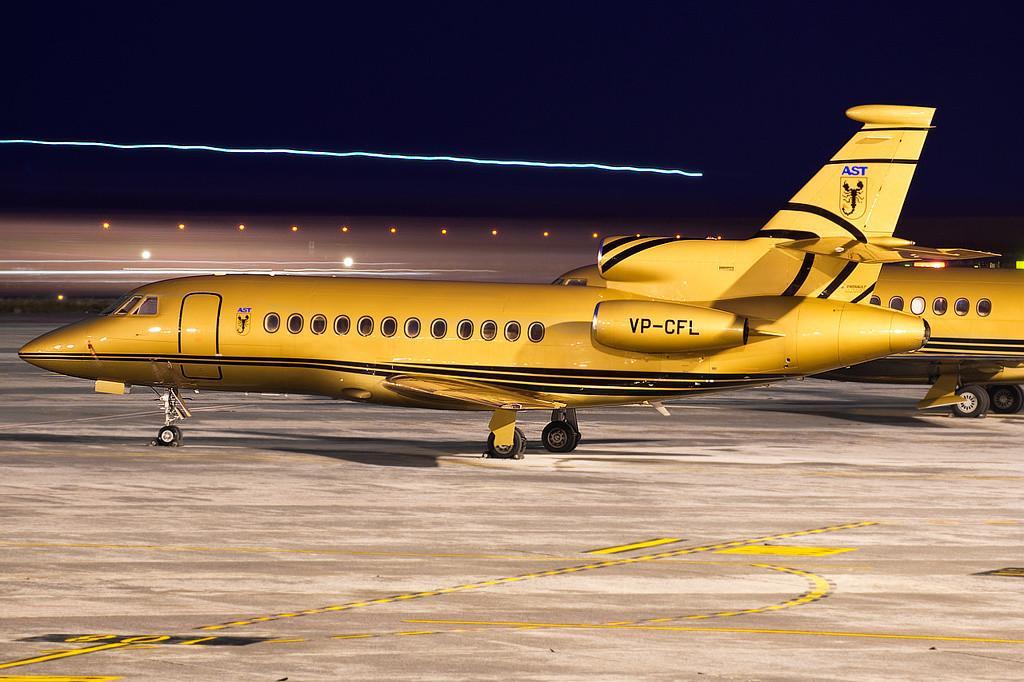
Purchasing a private jet is one of the most prestigious and exciting investments one can make. It provides ultimate freedom, comfort, and the opportunity to enhance your business or personal travel experience. However, the process can be complex, requiring careful planning and expertise to ensure that your investment is both sound and sustainable.
In this article, we’ll share expert creative tips for buying a private jet, whether you’re a first-time buyer or seasoned investor, so that you can make a smart, seamless purchase. From selecting the right jet to understanding financing and long-term maintenance, this guide covers everything you need to know to make the best choice for your needs.
- Determine Your Unique Flight Needs: A Personalized Approach
The first step in purchasing a private jet is to define your unique needs. Understanding exactly how, when, and why you plan to use your aircraft will guide the entire decision-making process. Consider the following factors:
- Frequency of Travel: How often do you plan to fly? If your travel is frequent and global, you may need a long-range jet with comfortable amenities for longer trips. Alternatively, for occasional regional flights, a smaller jet may suffice.
- Passenger Capacity: Will you mostly fly solo, with business partners, or with family and friends? Larger jets are perfect for groups of 10 or more, while smaller jets can comfortably carry 4-8 passengers.
- Flight Distance: The range of the jet is critical depending on how far you intend to fly without refueling. If you need to fly across continents, consider jets like the Gulfstream G650ER or Bombardier Global 6000, known for their incredible long-range abilities.
By honing in on your specific travel patterns, you’ll better understand which type of jet is most appropriate for your goals.
- Choosing the Right Private Jet: Match Aircraft Size with Purpose
Once you’ve defined your needs, the next crucial step is selecting the right jet. Different classes of jets cater to various requirements, and choosing wisely will make your experience far more enjoyable and efficient. Below are the most common types of jets:
- Light Jets: If your primary need is short regional flights with a small group, light jets offer great performance with a smaller footprint. These jets typically seat 4-6 passengers and include models like the Cessna Citation Mustang and Embraer Phenom 100.
- Midsize Jets: For those needing a bit more space and range, midsize jets offer a middle ground. Seating between 6-9 passengers, these jets allow for longer trips while maintaining a manageable operating cost. Popular models include the Learjet 60 and Hawker 800XP.
- Heavy Jets: If you need to transport a larger group and fly long distances comfortably, heavy jets are the way to go. These aircraft offer spacious cabins and top-tier amenities. Consider models like the Gulfstream G550 or Bombardier Global 5000.
- Ultra-Long-Range Jets: For the ultimate in luxury and convenience, ultra-long-range jets provide exceptional performance and can take you anywhere in the world without refueling. The Gulfstream G650ER and Dassault Falcon 8X are among the top choices in this category.
By understanding your specific travel needs and matching them with the right jet, you’re ensuring that the purchase aligns perfectly with your lifestyle and goals.
- Financing Your Private Jet: Unlock Creative Financing Solutions
While the upfront cost of purchasing a private jet can be substantial, there are several creative financing options that can make the process smoother and more affordable. Here are some options to consider:
- Traditional Financing (Jet Loans): Much like financing a home or a car, private jet loans are available through banks or private lenders. The terms typically range from 5 to 15 years, depending on the value of the aircraft and your creditworthiness.
- Leasing Options: If you’re not looking for full ownership, leasing can be a great alternative. An operating lease allows you to pay only for the time you use the jet, while a finance lease lets you work toward eventual ownership of the aircraft.
- Fractional Ownership: For those who fly less frequently but still want to enjoy the benefits of private air travel, fractional ownership is an attractive option. This model lets you own a portion of the aircraft, often between 1/8th and 1/2, while sharing operational costs with other owners.
- Jet Cards: Another option for those who want access to private jets without ownership, jet cards allow you to pre-purchase flight hours. This gives you the flexibility to book any jet within a specific category of aircraft, without the responsibility of managing the aircraft.
Creative financing allows you to tailor the purchase to your specific financial situation, ensuring that you make a smart investment without overextending your resources.
- Consider Long-Term Costs: Plan for the Full Cost of Ownership
While the purchase price of your jet is the most obvious expense, there are many additional costs that come with ownership. Understanding these long-term expenses will help you plan accordingly and ensure that you’re prepared for all aspects of jet ownership. Key costs include:
- Fuel: One of the largest ongoing expenses, fuel consumption varies greatly depending on the size of the aircraft and the length of the flight. On average, jets consume between 200 and 500 gallons per hour, with larger jets consuming significantly more.
- Maintenance: Regular maintenance is necessary to keep your jet in top condition. Costs for inspections, engine overhauls, and part replacements can run tens of thousands of dollars annually. Older jets typically require more frequent repairs.
- Crew Salaries: For large jets, you’ll likely need a full-time crew, including pilots, flight attendants, and ground support staff. Salaries for pilots can range from $100,000 to $300,000 per year, depending on the experience and the type of aircraft.
- Insurance: Insuring a private jet is crucial for protecting your investment. The cost will vary based on the aircraft’s value, your flight history, and the level of coverage you desire. Expect to pay anywhere from $30,000 to $100,000 per year for insurance.
By factoring in these ongoing costs, you’ll be better equipped to manage your jet’s finances and make your investment more sustainable in the long run.
- Get Professional Help: Rely on Experts to Streamline the Process
Buying a private jet is not a decision you should make alone. Working with a team of professionals can help you navigate the complexities of the acquisition process and ensure that you’re making an informed decision. Key experts to consider include:
- Aviation Brokers: These professionals are your go-to resource for finding the best jets on the market. Aviation brokers can help you identify the right aircraft for your needs, negotiate the price, and guide you through the entire buying process.
- Aviation Consultants: Consultants can provide detailed advice on everything from choosing the right jet to optimizing your purchase and financing. They can also help you with operational efficiency and future resale value.
- Legal Advisors: Private jet ownership comes with various legal considerations, including taxes, contracts, and regulatory compliance. Working with an aviation lawyer ensures that your transaction is legally sound and that your rights are protected.
- Aircraft Inspectors: When purchasing a pre-owned jet, an independent inspection is essential. Aircraft inspectors will assess the condition of the aircraft, checking everything from the engines to the avionics, ensuring there are no hidden issues.
By leveraging the expertise of these professionals, you’ll be able to streamline the acquisition process, avoid common pitfalls, and make a more informed decision.
- Maximize Your Investment: Ongoing Management and Revenue Generation
Once you’ve purchased your private jet, it’s important to manage the asset effectively to preserve its value and maximize your return on investment. Here are some strategies to consider:
- Regular Maintenance: Keeping your jet in top condition through regular maintenance ensures it runs efficiently and maintains its resale value. Routine inspections and part replacements are necessary for preserving the aircraft’s longevity.
- Upgrades and Modifications: Consider upgrading the interior or avionics over time. Modernizing the cabin or adding new technologies can enhance the jet’s comfort and appeal, which can be beneficial if you ever decide to sell or lease the aircraft.
- Charter Opportunities: If your jet isn’t in constant use, consider chartering it out when it’s not needed. Many jet management companies offer charter programs that can help offset the cost of ownership, allowing you to generate revenue when the aircraft is idle.
Taking these steps will help you maintain the value of your jet and ensure that it remains a profitable and enjoyable investment.
- Conclusion: Your Path to Seamless Private Jet Ownership
Buying a private jet is a significant and exciting step, but it’s one that requires careful thought and strategic planning. By following the expert tips shared in this guide, such as defining your needs, selecting the right aircraft, considering financing options, and understanding the full cost of ownership, you can ensure that your investment is both successful and sustainable.
With the right professionals by your side, and a clear understanding of the process, purchasing a private jet can be a seamless and rewarding experience. Whether you’re seeking efficiency, luxury, or business advantages, private jet ownership will elevate your travel experience and provide unmatched freedom.


