


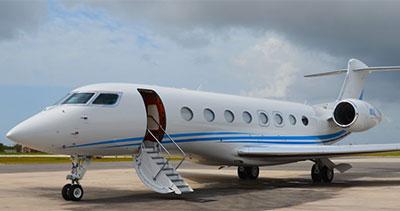
How to Buy a Private Jet: Innovative Creative Strategies for Financial Success
Acquiring a private jet is more than just a luxury, it’s a financial investment that requires careful planning, strategic decision-making, and a creative approach. Whether you’re purchasing your first jet or upgrading to a new model, it’s crucial to navigate the process with innovative strategies to ensure you’re making a financially sound decision. In this guide, we’ll explore some of the most effective creative strategies to help you secure a private jet that not only elevates your lifestyle but also aligns with your financial goals.
- Leverage Tax Advantages: Optimize Your Financial Strategy
When buying a private jet, understanding the tax benefits and potential deductions available to jet owners can make a significant difference in your financial strategy. Creative tax planning can minimize your upfront costs and long-term ownership expenses.
Section 179 Tax Deduction (U.S.):
Under the IRS Section 179 tax code, business owners can deduct up to 100% of the cost of purchasing a new or pre-owned private jet for business use, up to a certain limit. This tax incentive can significantly lower your tax liability in the year of purchase, allowing you to reinvest savings into other business ventures or enhancements for your aircraft.
Depreciation Strategies:
Jets are depreciating assets, but savvy owners can take advantage of depreciation methods to offset taxes. The IRS allows aircraft depreciation over five years, and business owners can use accelerated depreciation to reduce taxable income. Consult with a tax professional to determine the most advantageous depreciation schedule for your specific needs.
Operational Deductions:
If the jet is used for business purposes, you can deduct operational costs such as fuel, maintenance, and crew salaries as business expenses. By structuring the ownership through a business entity, you can further maximize tax savings and streamline financial management.
- Creative Financing: Explore Non-Traditional Funding Options
Securing financing for a private jet purchase doesn’t have to follow the traditional loan path. Several creative financing options allow you to preserve capital, reduce risk, and increase financial flexibility.
Aircraft Leasing:
Leasing a private jet can be a cost-effective option for buyers who want access to the aircraft without committing to full ownership. A lease agreement allows you to avoid the large upfront costs associated with purchasing and provides the flexibility to upgrade to a newer model after a few years. Depending on your financial strategy, leasing may offer more tax advantages compared to full ownership.
Fractional Ownership:
Fractional ownership allows you to buy a share of an aircraft rather than the entire jet. This option significantly reduces the financial burden and gives you access to a private jet without the overhead of full ownership. Fractional ownership works well for those who require fewer flying hours per year, as it offers lower acquisition costs and shared maintenance expenses.
Loan Structures with Lower Interest Rates:
Traditional aircraft loans often come with higher interest rates, but creative financing structures, such as securing a loan through an asset-backed loan or working with a specialized aviation lender, can lower your borrowing costs. Look for loan options that offer flexible repayment terms, low rates, and the ability to adjust based on your financial situation.
- Buying Pre-Owned Jets: Maximize Your Investment Value
Purchasing a pre-owned jet can be a financially savvy decision, especially when you take advantage of creative methods to find the right aircraft. By buying pre-owned, you avoid the steep depreciation that occurs when a jet is first sold and can still acquire a high-quality, well-maintained aircraft.
Know When to Buy Pre-Owned:
The best time to buy a pre-owned jet is typically during a buyer’s market when supply exceeds demand. Economic downturns or periods of low demand can create opportunities to secure a high-quality aircraft at a reduced price. Research market trends to time your purchase effectively and ensure you’re getting the best deal.
Customization vs. Off-the-Shelf:
Pre-owned jets can often be customized to your specifications, but you may also find an off-the-shelf option that aligns with your needs. Both options have financial benefits. Customizing a jet can add significant value, while buying a pre-owned model with upgrades already in place might offer a more cost-effective solution.
Reduced Depreciation:
Aircraft depreciate most significantly during the first few years. By purchasing a pre-owned jet, you’re avoiding this initial loss in value, which can result in a higher resale value down the road. With the right maintenance and care, you can retain the jet’s value and possibly even sell it for close to the original purchase price when it’s time to upgrade.
- Maximize Resale Value: Strategic Long-Term Ownership
Maximizing the resale value of your private jet requires planning and attention to detail throughout the ownership cycle. By making strategic decisions now, you can protect your investment and ensure you get the highest return on the jet when it’s time to sell.
Regular Maintenance and Care:
The key to maintaining resale value is ensuring that your jet is regularly serviced and in top operational condition. Implement a proactive maintenance program and keep comprehensive records of all repairs, upgrades, and servicing. A well-maintained jet holds its value better than one with a patchy maintenance history.
Upgrades and Customizations:
Periodically upgrading the aircraft with modern technology or custom features can boost its resale value. Many buyers are willing to pay a premium for jets equipped with state-of-the-art avionics, interior designs, or fuel-efficient engines. Focus on adding features that are in high demand and improve the functionality or aesthetics of the aircraft.
Track Market Trends for Optimal Timing:
Timing is crucial when it comes to selling your private jet. Keeping an eye on market conditions and industry trends can help you determine when to sell. You may want to consider selling before your jet reaches a certain age or before more significant depreciation occurs.
- Optimize Operating Costs: Smart Strategies for Efficiency
Owning a private jet comes with ongoing operating costs, but there are several creative strategies to help reduce these expenses and maximize efficiency. Smart management of operating costs can ensure that your jet remains a financially viable investment.
Fuel Management:
Fuel is one of the largest operating expenses for jet owners, but by utilizing efficient flying practices and technologies, you can reduce consumption and lower costs. Some jets come equipped with fuel-efficient engines or technologies that allow you to fly longer distances on less fuel. Alternatively, adjusting flight plans or choosing airports with cheaper fuel rates can also reduce expenses.
Crew and Staffing Efficiency:
The cost of hiring and maintaining a flight crew can be significant. One creative solution is to hire a flight crew that operates multiple aircraft for your company, reducing costs per flight. Alternatively, participating in a crew-sharing program or using third-party staffing services can lower your personnel expenses.
Hangar and Maintenance Costs:
Hangar fees and maintenance can be costly, especially for jets that require specialized care. Look for shared hangar options or negotiate long-term maintenance contracts with fixed costs. Some buyers also choose to collaborate with other jet owners to share hangar and maintenance costs, which can significantly reduce expenses.
- Creative Negotiations: Secure Better Deals
When it comes to buying a private jet, negotiation is key to securing the best possible deal. Using creative tactics and leveraging industry knowledge, you can negotiate for reduced costs, added services, and more favorable terms.
Use Data to Your Advantage:
Access to market data on pricing, availability, and trends can help you negotiate from a position of strength. Make use of industry reports and expert analysis to better understand the true value of the jet you’re interested in.
Negotiate for Value-Added Perks:
Instead of focusing solely on price, negotiate for additional value through perks like extended warranties, upgraded interiors, or enhanced maintenance packages. These added benefits can enhance your jet ownership experience without increasing your overall purchase price.
Bundle Services or Multiple Aircraft Purchases:
If you’re buying multiple jets or have an existing fleet, consider negotiating bulk deals with manufacturers or dealers. Often, manufacturers are willing to offer discounts or added services for bulk purchases.
Conclusion
Buying a private jet is an exciting and rewarding venture, but it requires a strategic, creative approach to ensure financial success. By leveraging tax advantages, exploring innovative financing options, purchasing pre-owned jets, and maximizing resale value, you can make a financially sound decision that aligns with your goals. Additionally, optimizing operating costs and using creative negotiation techniques can help you secure the best possible deal while preserving capital. With these innovative strategies in hand, you’ll be well-equipped to make a smart, successful private jet purchase.


