


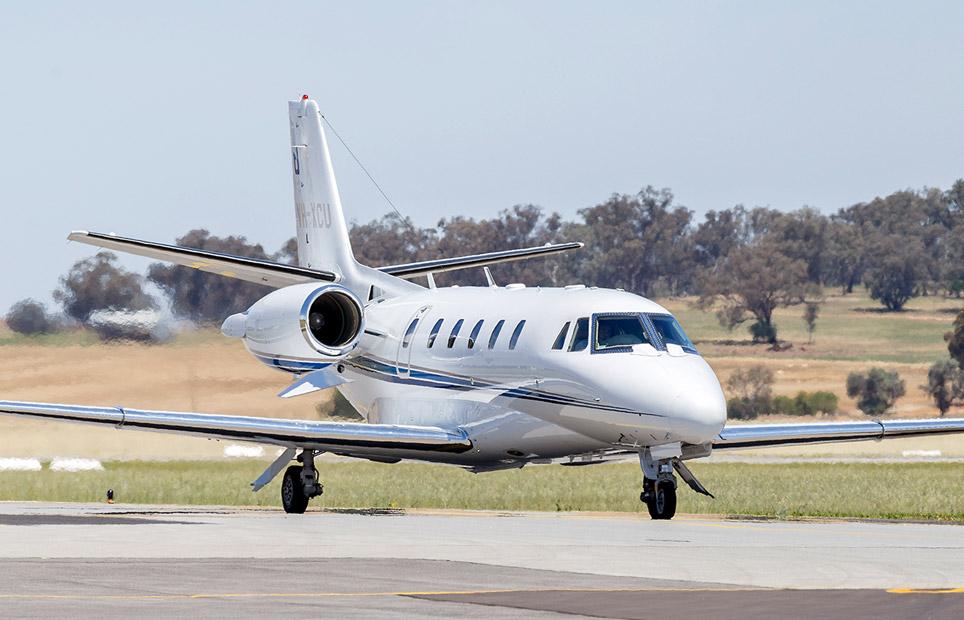
Private jet ownership is often seen as the ultimate luxury and status symbol. The freedom to travel wherever you want, without the constraints of commercial flights, is a significant advantage for many high-net-worth individuals, business leaders, and executives. However, the financial commitment of owning a private jet is far more complex than simply purchasing the aircraft. The true cost of private jet ownership goes beyond the initial acquisition price and includes a range of ongoing expenses, from maintenance and fuel to crew salaries and insurance.
In this article, we will break down how to calculate the total cost of private jet ownership. By understanding both the expected and hidden costs, potential buyers can make more informed decisions when considering jet ownership.
Initial Acquisition Costs of Private Jet Ownership
The first and most obvious cost of owning a private jet is the acquisition price. Private jets come in a wide variety of models, each with its own price tag depending on size, performance, and amenities. Whether you choose a new or pre-owned jet, the cost will be substantial, and it’s essential to have a clear understanding of what to expect.
- Cost of a New Jet: The cost of purchasing a new private jet can range from a few million dollars to well over $100 million, depending on the aircraft’s size and capabilities. For example, a small entry-level jet, such as a Cessna Citation M2, may cost around $4.5 million, while larger models like the Gulfstream G700 can cost upwards of $75 million. The new jet will typically come with the latest technology and warranties, but it will also carry a premium price tag.
- Cost of a Pre-Owned Jet: Many prospective jet owners opt for purchasing a pre-owned aircraft, which can offer significant savings over buying a new jet. The price of a pre-owned jet depends on several factors, including its age, condition, and flight hours. A well-maintained pre-owned jet may cost anywhere from $5 million to $50 million, with the price typically decreasing as the jet ages. However, the savings on the purchase price may be offset by higher maintenance costs in the long run.
- Customization and Interior Upgrades: When purchasing a jet, many owners choose to personalize the aircraft with high-end customizations. This might include luxurious interiors, state-of-the-art entertainment systems, and advanced technology. Depending on the customization, the cost of upgrading a jet’s interior can easily add an additional $1 million to $5 million to the price. These customizations, while enhancing the comfort and style of the jet, also contribute to the overall cost of ownership.
- Financing the Jet: While some jet owners opt to pay for their aircraft upfront, many choose to finance the purchase. Financing options vary, but they often involve a down payment of around 20% to 30% of the jet’s total purchase price. Financing the purchase can be a more flexible option, but it also results in additional interest costs over the life of the loan. The total cost of financing can add hundreds of thousands of dollars to the overall cost of the jet.
Ongoing Operating Costs of Private Jet Ownership
Once you’ve acquired the jet, the ongoing operational costs are where the true financial commitment of ownership starts to accumulate. These costs vary based on how frequently the jet is used, the size of the aircraft, and where it is flown, but they can add up quickly. Below are some of the primary operating costs that private jet owners should expect.
- Fuel Costs: Fuel is one of the most significant ongoing costs associated with private jet ownership. Depending on the size and type of jet, fuel costs can range from $500 to $5,000 per hour of flight time. A smaller jet may burn around 150 gallons of fuel per hour, while larger jets can burn over 500 gallons per hour. The price of jet fuel varies depending on the location and market conditions, but the average price is typically between $4 and $6 per gallon. For a jet that flies 400 hours a year, fuel costs alone can exceed $500,000 annually.
- Crew Salaries and Training: Every private jet requires a professional crew to operate safely. Typically, this includes at least two pilots, but larger jets may require additional crew members, such as flight attendants or maintenance staff. The salaries for pilots can range from $100,000 to $200,000 per year, depending on their experience and the size of the aircraft. In addition to salaries, owners are responsible for ongoing training costs, which ensure that their crew is up to date on the latest aviation regulations and safety protocols.
- Maintenance and Inspections: Maintenance is an ongoing cost that cannot be avoided with private jet ownership. Routine maintenance is essential to keep the aircraft in safe operating condition and to comply with regulatory requirements. Regular inspections are required by aviation authorities, and they often involve significant costs. The cost of maintenance can range from $150,000 to $300,000 per year for smaller jets, and it can easily exceed $500,000 annually for larger jets. Unexpected repairs, including engine overhauls or avionics upgrades, can further increase maintenance expenses.
- Insurance: Insurance is a necessary expense for private jet owners, as it protects the aircraft from accidents, damage, and liability. The cost of insurance varies depending on factors such as the type of aircraft, the owner’s claims history, and how frequently the jet is flown. On average, private jet insurance can cost anywhere from $50,000 to $250,000 per year, depending on these variables. Owners may also need to purchase additional insurance to cover specific risks, such as theft, terrorism, or damage during transportation.
- Hangar Fees: Storing a private jet requires hangar space, which typically comes with a significant cost. Hangar fees vary based on the size of the aircraft and the location of the hangar. In some high-demand areas, such as major airports or luxury destinations, hangar fees can be as much as $10,000 to $20,000 per month. For a smaller jet, hangar space may cost between $1,000 and $5,000 per month, but the cost increases significantly for larger aircraft.
- Landing and Handling Fees: Each time a private jet lands at an airport, the owner is responsible for paying landing and handling fees. These fees cover the cost of ground services, including baggage handling, fueling, and maintenance. Landing fees can range from a few hundred dollars at smaller airports to several thousand dollars at major international airports. For a frequently used private jet, landing and handling fees can quickly add up, costing tens of thousands of dollars annually.
Depreciation and Resale Value of a Private Jet
One of the less talked about aspects of private jet ownership is depreciation. Like any luxury item, private jets lose value over time, and this depreciation can significantly affect the overall cost of ownership.
- Rate of Depreciation: The rate at which a private jet depreciates can vary, but on average, jets lose about 5% to 10% of their value per year, with the most significant depreciation occurring in the first few years of ownership. The depreciation rate is influenced by various factors, including the age of the aircraft, its usage, and market demand for that specific model.
- Resale Value: When it comes time to sell the jet, owners can expect to recoup a portion of their initial investment, but they are unlikely to sell the aircraft for its full original price. The resale value will depend on how well the aircraft has been maintained, its flight hours, and its age. Some jets hold their value better than others, but depreciation is always a consideration when calculating the total cost of ownership.
Hidden Costs and Miscellaneous Expenses
While the above costs represent the major expenses associated with private jet ownership, there are several other hidden costs and miscellaneous expenses that owners must account for.
- Upgrades and Renovations: Over time, private jet owners may choose to update or renovate their aircraft to keep it in top condition. These upgrades might include adding new avionics, installing more luxurious interiors, or replacing outdated technology. The costs for these updates can easily run into the hundreds of thousands of dollars.
- Travel Expenses: Owners of private jets often incur additional travel-related expenses, such as ground transportation, accommodations, and catering services for their trips. While these costs are not exclusive to private jet ownership, they can add a significant amount to the overall budget.
- Regulatory Fees: Private jet owners are subject to various regulatory fees and taxes, including those related to international travel, fuel taxes, and environmental taxes. Depending on where the jet is flown, these costs can add up quickly.
Conclusion
Owning a private jet offers unmatched convenience and luxury, but it also comes with a significant financial commitment. The total cost of private jet ownership is far more than the initial acquisition price, with ongoing operating expenses, maintenance, insurance, and depreciation all contributing to the overall cost. By understanding the full scope of these costs, potential jet owners can make informed decisions and budget accordingly. Whether for personal or business use, the financial commitment of owning a private jet is substantial and should be carefully considered before making the leap.


