


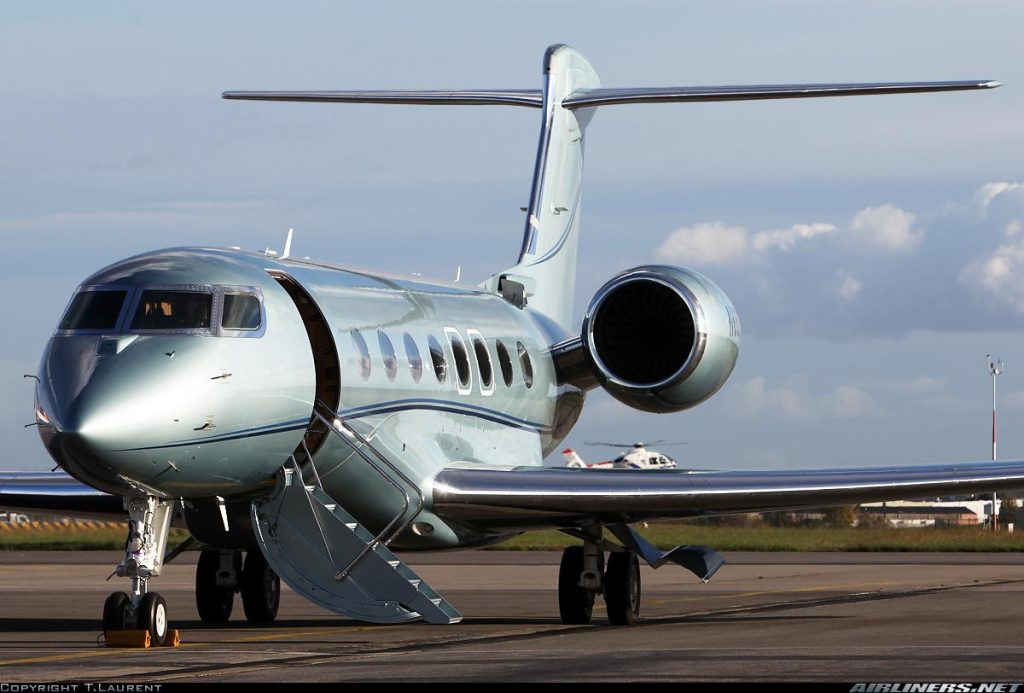
When it comes to long-distance travel, particularly crossing the Atlantic, nothing beats the comfort and luxury of a private jet. Whether you’re flying for business or leisure, choosing the right private jet for a transatlantic flight is essential to ensuring a smooth, efficient, and luxurious experience. With so many aircraft options available, it’s important to understand what makes a jet suitable for such a demanding journey.
In this guide, we’ll explore the factors to consider when selecting a private jet for transatlantic flights, helping you make an informed decision that best suits your needs. From jet range and cabin comfort to operational efficiency and safety, this article will provide comprehensive insights on how to choose the perfect jet for your next international adventure.
1. Understanding the Requirements of a Transatlantic Flight
Transatlantic flights are long-haul journeys that typically require non-stop travel across the Atlantic Ocean, often covering distances of 3,000 to 5,000 miles. This distance means your aircraft must be able to handle extended flight times, usually between 6 to 12 hours, depending on the route.
Choosing the right jet for a transatlantic flight means considering several crucial aspects, such as the aircraft’s range, comfort, speed, and capacity. Additionally, understanding your specific needs and preferences will help you make the best decision.
2. Jet Range: Ensuring Non-Stop Capability
One of the most critical factors to consider when selecting a private jet for transatlantic flights is range. A jet’s range determines how far it can travel without refueling, and for long-distance flights like those across the Atlantic, non-stop capability is essential.
Many transatlantic flights require jets that can fly between 3,000 and 5,000 miles. Popular routes such as New York to London, or Los Angeles to Paris, typically fall within this range, which means you’ll need an aircraft with a range that comfortably exceeds the distance of your specific route. The following jets are known for their ability to handle long-haul transatlantic flights:
- Gulfstream G650ER: With a range of 7,500 nautical miles, this jet can easily fly across the Atlantic without refueling. It’s known for its high performance, luxurious cabin, and cutting-edge technology.
- Bombardier Global 7500: With a range of 7,700 nautical miles, the Global 7500 is another top contender for transatlantic travel, offering exceptional speed and comfort.
- Dassault Falcon 8X: This aircraft can cover up to 6,450 nautical miles, making it perfect for flights between North America and Europe, with plenty of room for passengers and their needs.
Choosing a jet with a range that surpasses the distance between your departure and arrival points will give you peace of mind and allow you to enjoy a direct, non-stop journey.
3. Comfort and Cabin Layout: Maximizing Passenger Experience
On a long transatlantic flight, cabin comfort is crucial. With flight times that can range anywhere from 6 to 12 hours, passengers should have access to a relaxing, well-equipped environment. When considering the right jet, evaluate the cabin’s space, seating, amenities, and overall layout.
For transatlantic flights, larger jets with expansive cabins are typically preferred. These aircraft offer ample room to stretch out and relax during your journey. Here are some considerations when evaluating cabin comfort:
- Seating: Comfortable, fully reclining seats are essential for a restful long-haul flight. Some jets offer spacious seats that convert into fully flat beds, allowing passengers to sleep comfortably for the duration of the flight.
- Cabin Features: High-end jets often feature advanced lighting systems, noise reduction technologies, and pressurized cabins that reduce fatigue. Additional amenities such as Wi-Fi, entertainment systems, and fine dining are also important for enhancing the passenger experience.
- Privacy: Depending on your needs, consider whether you require private areas within the cabin. Some jets offer partitioned sections or separate suites, allowing you to have a more secluded space for work or relaxation.
Aircraft like the Gulfstream G650ER and Bombardier Global 7500 are renowned for their luxurious cabins, offering ample space, privacy, and state-of-the-art amenities that make long flights more comfortable.
4. Speed: Reducing Flight Time
When flying across the Atlantic, time is often of the essence. Selecting a jet that can reach its destination quickly can make a significant difference in your overall experience. Speed is particularly important for business travelers who need to arrive refreshed and ready to work.
Some jets are equipped with powerful engines that can cruise at speeds of Mach 0.85 or higher, which reduces the overall flight time. The following jets are known for their exceptional speed:
- Gulfstream G650ER: With a cruising speed of Mach 0.90, the G650ER is one of the fastest jets in its class, allowing passengers to reach their destination quickly and comfortably.
- Bombardier Global 7500: Cruising at Mach 0.85, the Global 7500 is another jet that offers both speed and luxury, making it ideal for those looking to minimize flight time without sacrificing comfort.
By choosing a jet with a high cruising speed, you can ensure that your transatlantic flight is completed in the shortest time possible, allowing you to maximize your time at your destination.
5. Fuel Efficiency and Operational Costs
While comfort, speed, and range are important factors when selecting a private jet, it’s also important to consider fuel efficiency and the operational costs associated with long-distance flights. Flying transatlantic routes can be expensive, so choosing a jet with good fuel efficiency can help reduce costs over time.
Some aircraft are designed with advanced fuel-saving technologies that make them more efficient on long flights. Jets like the Gulfstream G650ER and Bombardier Global 7500 are optimized for efficiency, offering longer ranges and reduced fuel consumption compared to older models.
Additionally, consider the operating costs of the jet, including crew salaries, maintenance, and hangar fees. Luxury jets designed for transatlantic flights can incur higher operational costs, so balancing comfort and affordability is essential.
6. Safety: A Top Priority
When flying long distances, particularly over the ocean, safety becomes a crucial consideration. The best private jets for transatlantic flights come equipped with the latest avionics, safety systems, and emergency equipment to ensure the highest standards of safety.
Look for aircraft that are equipped with redundant systems such as advanced weather radar, collision avoidance systems, and satellite communication systems. Additionally, consider the track record of the jet’s manufacturer in terms of safety and reliability.
Jets like the Gulfstream G650ER, Bombardier Global 7500, and Dassault Falcon 8X are known for their exceptional safety features and adherence to rigorous safety standards, giving passengers peace of mind throughout the journey.
7. Cost: Balancing Luxury and Budget
While private jets offer a very uniqueed luxury, they also come at a premium price. For a transatlantic flight, you can expect to pay significantly more for larger, more luxurious jets. The cost of renting or chartering a jet will depend on factors such as the type of aircraft, flight distance, and additional services required.
To help manage costs, consider whether you need the full amenities offered by larger jets or if a smaller jet with fewer features would suffice. Some smaller jets can handle transatlantic routes with fewer passengers and may offer a more budget-friendly option.
On average, a transatlantic private jet flight can cost anywhere from $60,000 to $120,000 for a one-way trip, depending on the jet selected and other factors such as crew and fuel. To get the best value for your money, make sure to assess the specific features and capabilities that matter most for your journey.
8. Conclusion: Making the Right Choice
Choosing the right private jet for a transatlantic flight is a significant decision that requires careful consideration of various factors. From range and cabin comfort to speed, safety, and cost, there are many elements to weigh in order to select the ideal aircraft for your journey.
By understanding your specific needs and preferences, you can select a jet that offers the best balance of comfort, performance, and operational efficiency. Whether you choose a Gulfstream G650ER, a Bombardier Global 7500, or a Dassault Falcon 8X, the right private jet can make your transatlantic flight a truly exceptional experience.
Remember, when choosing a jet for long-haul travel, always prioritize your comfort, safety, and convenience to ensure a seamless journey across the Atlantic.


