


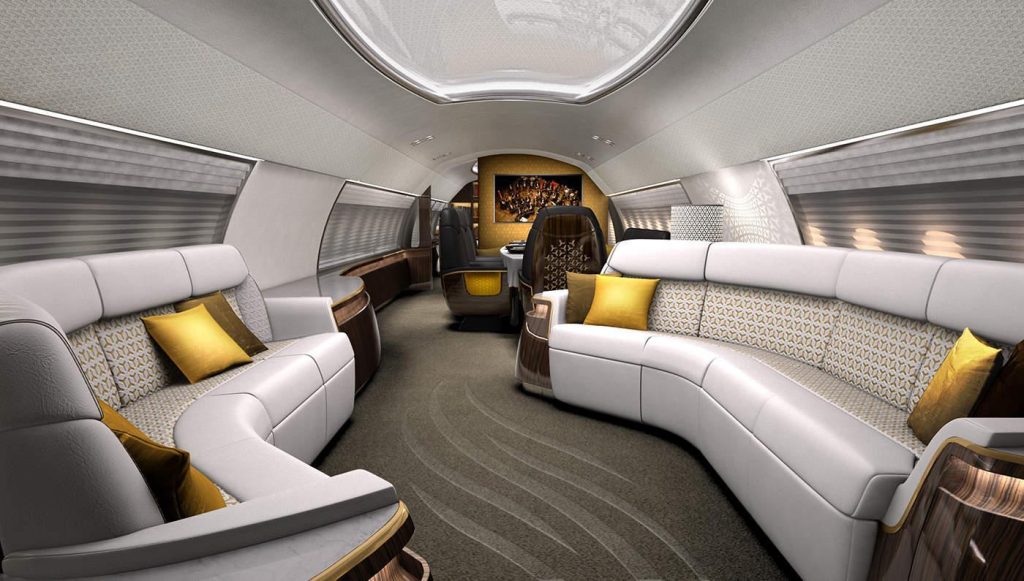
Selecting the right private jet for your corporate team is a crucial decision that can significantly impact your travel experience and overall business productivity. With numerous options available, understanding the nuances of jet types, capacity, and amenities is essential. This comprehensive guide will walk you through the critical factors to consider, ensuring you make the best choice for your team’s specific needs.
Assessing Your Corporate Team’s Needs
The first step in choosing the ideal private jet is to identify your corporate team’s unique travel requirements. Consider the following factors:
- Group Size: Determine the number of passengers traveling. This will help narrow down jets based on seating capacity.
- Travel Distance: Consider the distance to your destination to identify jets with the appropriate range.
- Frequency of Travel: Assess whether your team will require frequent trips or a one-time charter.
- Onboard Requirements: Identify any specific needs, such as Wi-Fi, catering, or meeting spaces, to ensure productivity during the journey.
Understanding these needs provides a clear foundation for selecting the most suitable aircraft.
Understanding Private Jet Categories
Private jets come in various categories, each customized to specific travel requirements. Here’s a breakdown:
- Very Light Jets (VLJs): Ideal for short trips with small teams of 2-4 passengers. VLJs are cost-effective and efficient for regional travel.
- Light Jets: Accommodating 5-7 passengers, light jets are suitable for short to mid-range trips and offer basic amenities.
- Midsize Jets: Perfect for teams of 6-9 passengers, these jets provide more space, a longer range, and upgraded comfort.
- Super Midsize Jets: With a range of up to 4,000 nautical miles and room for 8-12 passengers, these jets combine luxury with performance.
- Large Jets: Designed for intercontinental travel, large jets can seat 12-16 passengers and feature premium amenities, including private suites.
- Ultra-Long-Range Jets: These jets are the maximum experience of private aviation, offering ranges exceeding 6,000 nautical miles and seating for up to 18 passengers.
- VIP Airliners: For the ultimate experience, VIP airliners provide a very uniqueed luxury and capacity for large groups, often exceeding 20 passengers.
Selecting the right category depends on your team size, travel distance, and desired level of comfort.
Evaluating Range and Fuel Efficiency
Range is a critical factor in choosing a private jet. Consider the distance between your departure and destination cities to ensure the aircraft can complete the journey without refueling stops. Fuel efficiency also plays a role, as it impacts costs and environmental considerations.
For example:
- For regional travel, VLJs or light jets are efficient and cost-effective.
- For cross-country or transcontinental trips, midsize or super midsize jets are more appropriate.
- For international travel, large jets or ultra-long-range aircraft ensure seamless travel without interruptions.
Prioritizing Onboard Amenities
The amenities offered on private jets vary widely, and selecting the right features can enhance your team’s travel experience. Key amenities to consider include:
- Connectivity: High-speed Wi-Fi, video conferencing, and charging stations for uninterrupted work.
- Comfort: Ergonomic seating, spacious cabins, and noise-reduction technology for a relaxing journey.
- Catering: Tailored menus to accommodate dietary preferences and ensure satisfaction.
- Meeting Spaces: Configurable interiors with tables and seating arrangements for team discussions.
- Entertainment: Screens, audio systems, and recreational options for downtime.
Choosing an aircraft with the right amenities ensures a productive and comfortable experience.
Budget Considerations
Private jet charters vary significantly in cost, influenced by factors such as size, range, and amenities. Setting a clear budget helps narrow down options and ensures cost-effectiveness. Consider the following cost components:
- Hourly Rates: Jets are typically priced by the hour, with rates increasing for larger or more luxurious aircraft.
- Fuel Costs: Longer trips and larger jets incur higher fuel expenses.
- Landing Fees: Airport charges vary based on location and jet size.
- Additional Services: Catering, ground transportation, and concierge services may incur extra costs.
Balancing your team’s needs with your budget ensures a practical and efficient choice.
Safety and Reliability
Safety should be a top priority when selecting a private jet. Ensure the charter company adheres to rigorous safety standards, including:
- Aircraft Maintenance: Regular inspections and maintenance schedules.
- Pilot Qualifications: Experienced and certified pilots with extensive training.
- Reputation: Choose operators with a strong track record of safety and reliability.
Researching these aspects provides peace of mind for your team’s travel.
Choosing the Right Charter Provider
The charter company you select plays a significant role in the overall experience. Look for providers that offer:
- Diverse Fleet Options: Access to various aircraft to match your specific needs.
- Transparent Pricing: Clear and detailed cost breakdowns with no hidden fees.
- Exceptional Customer Service: Responsive and professional support throughout the booking process.
- Customizable Packages: Tailored solutions to accommodate unique requirements.
Reading reviews, seeking recommendations, and comparing providers ensure you find a reliable partner.
Considering Environmental Impact
Sustainability is an increasingly important consideration for businesses. Many private jet operators now offer eco-friendly options, such as:
- Carbon Offset Programs: Compensating for emissions through environmental initiatives.
- Fuel-Efficient Jets: Aircraft designed to minimize fuel consumption.
- Sustainable Practices: Green operations, including waste reduction and recycling.
Choosing environmentally conscious options aligns with corporate responsibility goals.
Optimizing Flight Logistics
Efficient planning is essential for a smooth journey. Coordinate with the charter provider to optimize logistics, including:
- Airport Selection: Choose airports closest to your departure and destination points.
- Flight Timing: Schedule departures and arrivals to align with your itinerary.
- Ground Transportation: Arrange seamless transfers between the airport and your final destination.
Attention to detail ensures a hassle-free experience for your team.
Case Studies: Success Stories in Corporate Jet Travel
Explore real-world examples of businesses that have leveraged private jet charters to achieve their goals. Case studies demonstrate how customized solutions can address unique challenges and deliver exceptional results.
Future Trends in Private Jet Travel
The private aviation industry continues to evolve, with innovations that enhance convenience and sustainability. Emerging trends include:
- Electric Jets: Advancements in electric propulsion for eco-friendly travel.
- On-Demand Platforms: Digital solutions for seamless booking and customization.
- Enhanced Connectivity: Cutting-edge technology for improved in-flight productivity.
Staying informed about these trends positions your business to benefit from the latest advancements.
Conclusion
Choosing the right private jet for your corporate team’s needs is a strategic decision that requires careful consideration of factors such as size, range, amenities, and budget. By prioritizing your team’s requirements, evaluating options, and working with a reliable charter provider, you can ensure a seamless and productive travel experience. With the right approach, private jet travel becomes a powerful tool for achieving business success.


